Sri Ganganagar tops Rajasthan AQI at 272, Jaipur air quality stays poor
Synopsis
Post-Diwali Rajasthan is choking — Sri Ganganagar hit an AQI of 272 and Alwar 270, both in the 'very poor' category, while Jaipur's Mansarovar crossed 230. With vehicular emissions and construction dust compounding firecracker fallout, officials say meaningful relief depends entirely on weather, not policy — and weather is not cooperating.
Key Takeaways
Sri Ganganagar recorded Rajasthan's highest AQI at 272 on 10 November 2026 , classified as 'very poor'.
Alwar followed at 270 and Bikaner at 259 , with several other cities also in the 'poor' to 'very poor' range.
In Jaipur , Mansarovar posted the highest locality AQI at 230 , followed by the Police Commissionerate area at 228 .
AQI across the state has stayed above 200 for a second consecutive day post-Diwali, per CPCB data.
Fireworks, vehicular emissions, industrial discharge, and construction dust are all contributing factors.
Officials say sustained relief requires improved weather conditions; residents are advised to avoid outdoor activity during peak pollution hours.
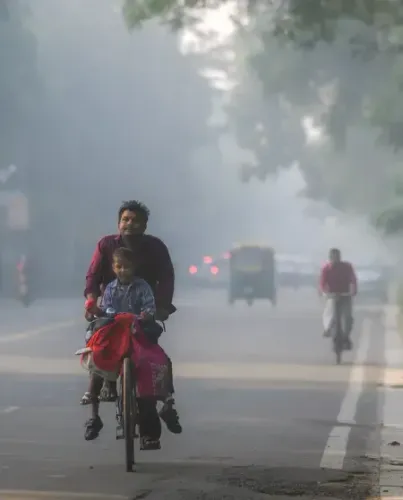
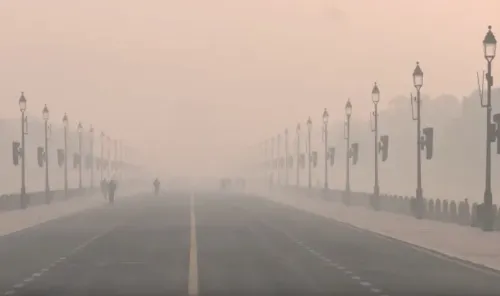
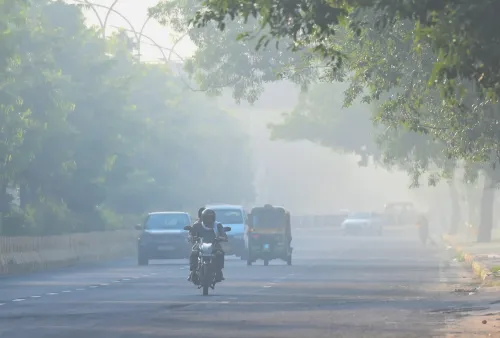
Rajasthan continues to battle hazardous air quality in the days following Diwali, with the Air Quality Index (AQI) staying above 200 in multiple cities for the second consecutive day as of 10 November 2026. Sri Ganganagar recorded the state's worst air quality at an AQI of 272, placing it firmly in the 'very poor' category, according to data released by the Central Pollution Control Board (CPCB).
Rajasthan's Most Polluted Cities
Sri Ganganagar led the state's pollution chart with an AQI of 272, followed closely by Alwar at 270 — both classified as 'very poor'. Bikaner came in third at 259, while Hanumangarh recorded 248, Bhiwadi 246, and Churu 242.
Further down the list, Chittorgarh posted an AQI of 240, Kota registered 218, and Bharatpur stood at 201. All readings fall within the 'poor' to 'very poor' range on the CPCB scale, indicating little atmospheric respite across the state.
Jaipur's Locality-Wise Pollution Levels
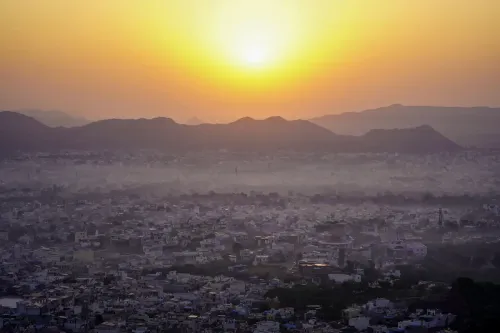
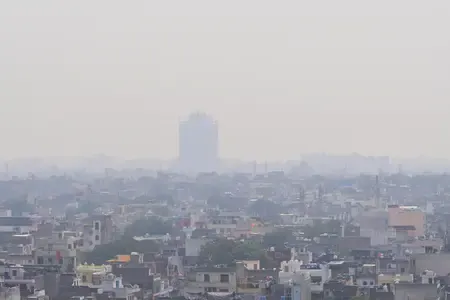
The state capital Jaipur has also shown no meaningful improvement. Among its localities, Mansarovar recorded the highest AQI at 230, followed by the Police Commissionerate area at 228 and Shastri Nagar at 221. Adarsh Nagar posted 163, Murlipura 162, and Sitapura 157, comparatively lower but still in the 'moderate' to 'poor' band.
Notably, the variation across Jaipur's localities points to uneven pollution distribution — areas closer to traffic corridors and construction zones bearing the heaviest burden.
Why Air Quality Has Not Recovered After Diwali
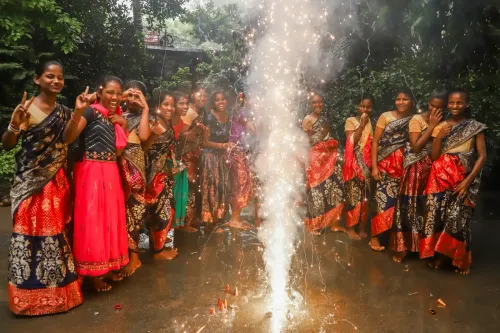
While the widespread use of firecrackers during Diwali elevated particulate matter and harmful pollutant concentrations significantly, officials caution that fireworks are only one part of the problem. Vehicular emissions, industrial discharge, construction dust, and road dust continue to compound post-festival pollution, preventing air quality from returning to baseline.
This comes amid a broader seasonal pattern: northern and western Rajasthan typically experiences its worst air quality between October and January, when lower wind speeds and cooler temperatures trap pollutants close to the ground. The post-Diwali window tends to be the most acute phase of this annual cycle.
Health Risks and Public Advisory
Elevated AQI levels pose acute risks for people living with asthma, respiratory illnesses, and cardiovascular conditions. Exposure to polluted air at these levels may trigger breathing difficulties, persistent coughing, and throat irritation, according to health advisories.
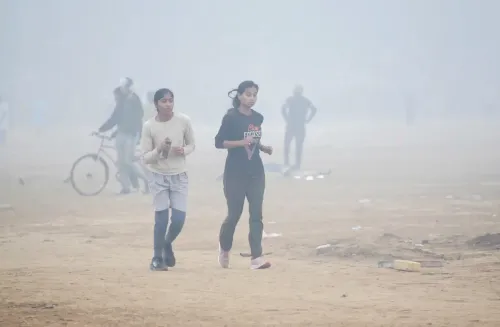
Residents have been advised to limit unnecessary outdoor activity, particularly during morning and late evening hours when pollutant concentration is typically higher. Those experiencing persistent symptoms are urged to seek medical attention promptly.
When Relief Is Expected
Officials indicated that sustained improvement in air quality is unlikely until there is a meaningful change in weather and atmospheric conditions — including stronger winds capable of dispersing accumulated pollutants. Until then, residents across Rajasthan's major cities face a prolonged period of degraded air quality.
Point of View
No emergency construction halts, and no vehicle-emission checks timed to the high-risk window. Blaming weather for persistent AQI levels above 200 ignores the structural contributors that operate year-round. With health infrastructure in cities like Sri Ganganagar and Bikaner already under strain, the absence of a targeted state-level air quality action plan is an accountability gap that deserves more than seasonal coverage.
NationPress
10 Nov 2026
Frequently Asked Questions
Which city in Rajasthan has the highest AQI right now?
Sri Ganganagar recorded Rajasthan's highest AQI at 272 on 10 November 2026, placing it in the 'very poor' category according to Central Pollution Control Board data. Alwar followed closely at 270.
What is the air quality situation in Jaipur after Diwali?
Jaipur continues to experience poor air quality, with Mansarovar recording the highest locality AQI at 230, followed by the Police Commissionerate area at 228 and Shastri Nagar at 221. The city has shown no significant improvement since Diwali.
Why is air pollution still high in Rajasthan after Diwali?
While Diwali firecrackers elevated particulate matter levels, vehicular emissions, industrial discharge, construction activities, and road dust continue to sustain high pollution levels. Officials note that cooler temperatures and lower wind speeds in this season also trap pollutants close to the ground.
Who is most at risk from the current air quality levels?
People with asthma, respiratory illnesses, and cardiovascular conditions face the highest risk. Exposure to AQI levels above 200 can trigger breathing difficulties, persistent coughing, and throat irritation, particularly during morning and late evening hours.
When will air quality improve in Rajasthan?
Officials say meaningful improvement depends on a sustained change in weather conditions, particularly stronger winds that can disperse accumulated pollutants. No specific timeline has been provided; residents are advised to limit outdoor exposure in the interim.