DMK poll review: Stalin tells 36-member panel 'hide nothing from me'
Synopsis
Stalin's order to his 36-member review panel — 'do not conceal anything from me, even criticism against me' — is a rare public admission of electoral failure by a sitting chief minister. The structured audit of all 234 constituencies, with a hard 5 June deadline, signals the DMK is treating this setback as a systemic problem, not a one-off result.
Key Takeaways
Stalin on 16 May directed a 36-member review committee to audit the party's Assembly election performance.
The panel must assess all 234 Assembly constituencies and submit a final report by 5 June .
Field consultations must be conducted in two-member teams ; individual meetings are prohibited.
Stalin explicitly invited criticism directed at himself, saying 'even if criticism is against me, include it in your report.' All findings are to remain confidential until the report is submitted, after which organisational corrective measures are expected.
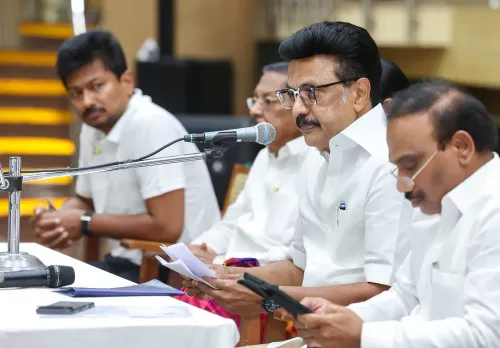
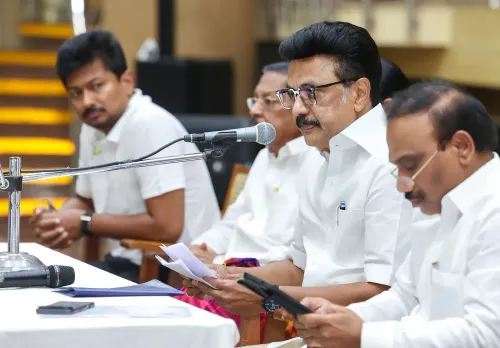
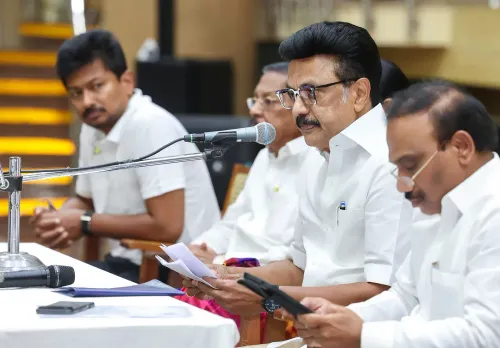
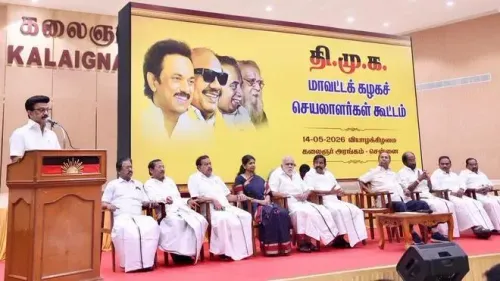
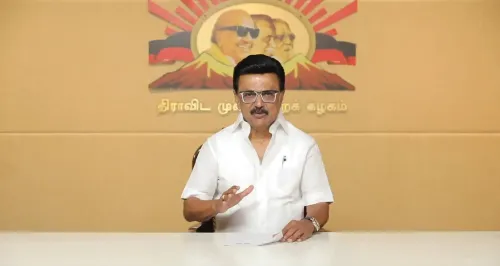
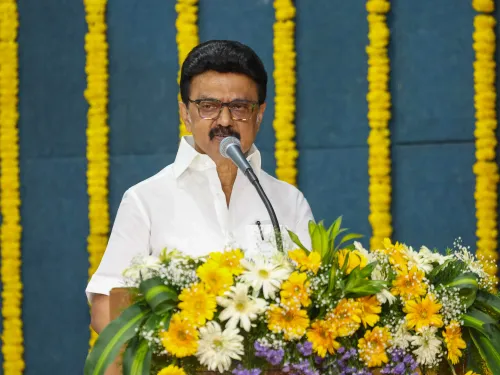
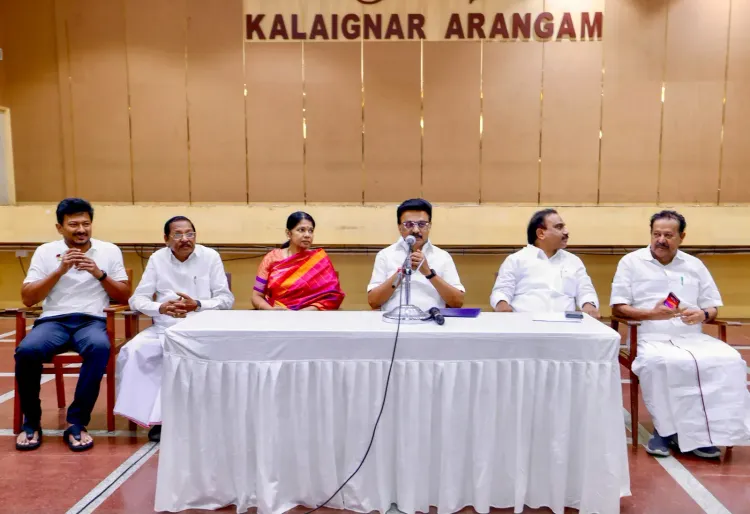
Dravida Munnetra Kazhagam (DMK) president M.K. Stalin on Saturday, 16 May convened a consultative meeting in Chennai with a 36-member review committee, directing it to conduct a frank, constituency-by-constituency audit of the party's underwhelming performance in the recent Assembly election across all 234 constituencies in Tamil Nadu.
Stalin's Directive to the Panel
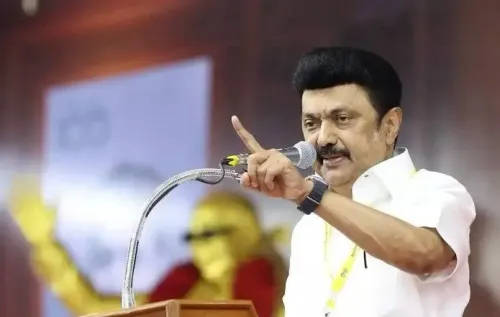
Addressing the committee, Stalin drew a striking analogy with medical practice to drive home the need for candour. 'Doctors say the truth should never be hidden from them. I am now in that position. Do not conceal anything from me,' he told the members. He described the committee's eventual report as a 'scan report' for the DMK — a diagnostic document that would guide the party's organisational recovery.
Stalin made clear that the exercise was neither a witch-hunt nor a shield for any individual. 'Your responsibility is neither to protect anyone nor to target anyone,' he said, urging members to set aside personal loyalties and internal politics when gathering feedback from cadre and functionaries.
Structure and Methodology
To preserve the integrity of the process, Stalin specified that committee members must conduct field consultations in two-member teams only, with individual meetings explicitly prohibited during the ground study. The paired-team format, he said, was designed to ensure transparency and prevent any single member from skewing the findings.
All observations collected during the review are to remain strictly confidential until the final report is submitted. The committee has been given a deadline of 5 June to present its findings, after which the party leadership is expected to announce organisational corrective measures.
Openness to Self-Criticism
In a notable departure from typical party-review exercises, Stalin explicitly invited criticism directed at himself. 'Even if criticism is against me as the party leader, include it in your report,' he told the panel. The instruction signals an attempt to project accountability at the top and encourage ground-level cadre to speak without fear of reprisal.
He encouraged party workers to voice grievances, dissatisfaction, and any shortcomings they believe contributed to the electoral setback, describing the committee members as the 'ears on the ground' of the party headquarters.
Context and What Comes Next
The review follows a disappointing Assembly election result for the DMK, which is now seeking to understand the gap between its organisational assumptions and ground reality. This comes amid broader pressure on regional parties across India to professionalise post-election introspection rather than rely on informal feedback loops.
Notably, the structured, deadline-bound format — with paired teams, confidentiality norms, and a fixed submission date — represents a more systematic approach than the party has publicly undertaken after previous electoral setbacks. With the report due by 5 June, organisational restructuring decisions are expected to follow in the weeks thereafter.
Point of View
But they do not resolve the structural tension of asking insiders to audit insiders. If the 5 June report leads to meaningful organisational change, this review will stand apart from the many post-defeat committees that produced reports and little else.
NationPress
29 Sept 2026
Frequently Asked Questions
Why has the DMK formed a 36-member review committee?
The DMK formed the committee to conduct a structured, ground-level audit of the party's disappointing performance in the recent Tamil Nadu Assembly election. The panel is tasked with gathering honest feedback from cadre across all 234 constituencies to identify the real reasons for the electoral setback.
What did M.K. Stalin say at the review committee meeting?
Stalin told the panel not to conceal anything from him, comparing his position to that of a doctor who needs the full truth to prescribe the right treatment. He also said that criticism directed at him personally should be included in the report.
When must the DMK review committee submit its report?
The committee has been given a deadline of 5 June to submit its final report. Organisational corrective measures are expected to be announced by the party leadership after the report is reviewed.
How will the committee conduct its field study?
Committee members must conduct consultations in two-member teams and are prohibited from holding individual meetings during the field study. All findings are to remain confidential until the final report is submitted.
What happens after the DMK review report is submitted?
After the report is submitted by 5 June, the DMK leadership is expected to announce organisational corrective measures based on the findings. The review is intended to address structural and ground-level issues that contributed to the party's electoral underperformance.