DMK fact-finding committee draws fire as grassroots cadres say voices ignored
Synopsis
The DMK's post-election review is turning into a problem of its own. Grassroots workers allege that the very leaders blamed for the party's Assembly poll defeat are controlling the fact-finding consultations — effectively blocking honest feedback from reaching M.K. Stalin. With key allies gone and the 2029 Lok Sabha cycle approaching, the party's ability to self-correct is under serious question.
Key Takeaways
Stalin constituted a 'fact-finding committee' after the party's unexpected defeat in the Tamil Nadu Assembly elections .
Grassroots workers allege the committee has confined consultations to district secretaries and senior leaders, sidelining ordinary cadres.
Party sources claim that leaders accused of contributing to the defeat are themselves dominating the review discussions.
Some key allies have exited the DMK -led alliance, adding pressure on the leadership to restructure ahead of the 2029 Lok Sabha elections .
Political observers warn the exercise may fall short if honest ground-level feedback is not actively sought outside the current committee format.
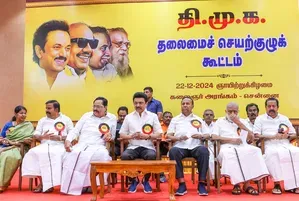
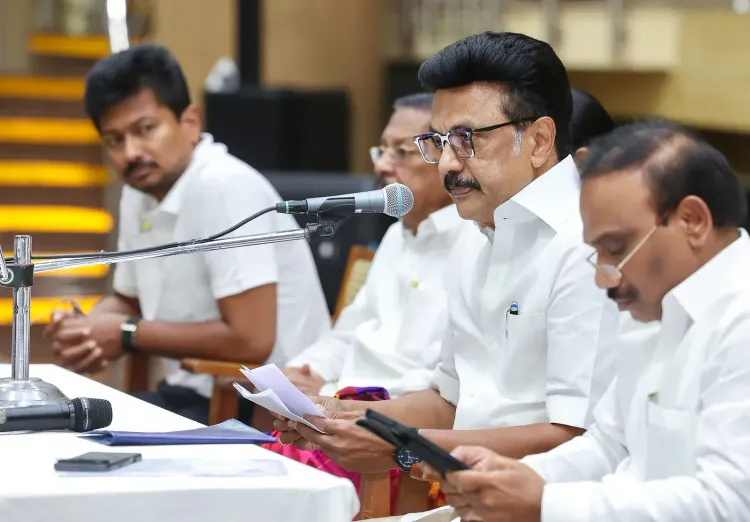
The Dravida Munnetra Kazhagam (DMK)'s internal review process, launched to examine the party's disappointing performance in the recent Tamil Nadu Assembly elections, has sparked growing discontent among rank-and-file workers who allege that the exercise is failing to capture ground-level realities. The dissatisfaction, surfacing across party units in Tamil Nadu, points to a widening gap between the leadership's review mechanism and the concerns of ordinary cadres.
How the Committee Was Constituted
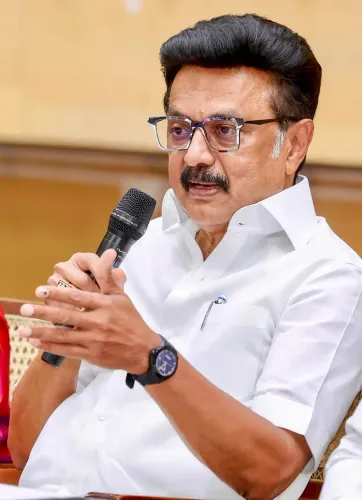
DMK president and former Chief Minister M.K. Stalin had constituted a 'fact-finding committee' following the party's unexpected defeat in the Assembly polls. The mandate was to analyse the reasons for the electoral loss and recommend measures for organisational restructuring ahead of the 2029 Lok Sabha elections. On paper, the exercise signalled a willingness at the top to confront uncomfortable truths about why the party lost.
What Cadres Are Alleging
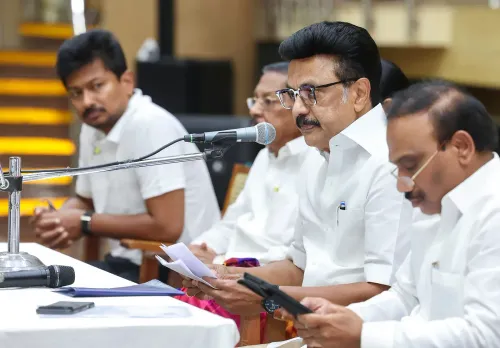
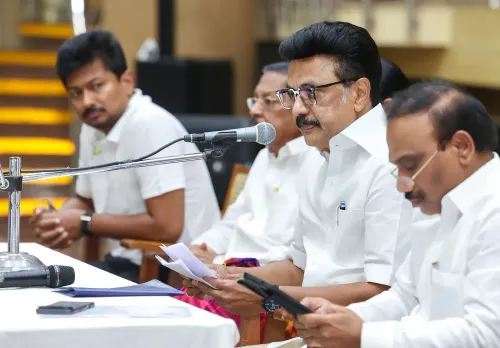
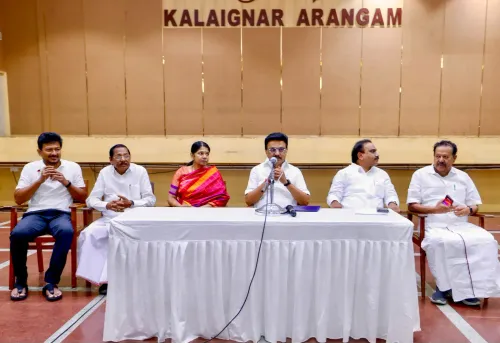
Party insiders allege that the committee has largely confined its consultations to district secretaries and senior office-bearers, effectively sidelining ordinary workers and local-level functionaries from the review. According to multiple sources within the party, the current format of the meetings has prevented honest feedback from reaching the top leadership.
Several grassroots workers believe the defeat was caused not merely by anti-incumbency, but also by the conduct of certain influential senior leaders and district secretaries who were allegedly inaccessible to party workers and acted independently during the campaign. Critically, cadres reportedly feel these concerns are not being openly discussed because many of the same leaders accused of contributing to the setback continue to dominate the very consultations being organised by the committee.
'The people who are being blamed for the defeat are themselves controlling the discussions. In such an atmosphere, district-level workers are unable to speak freely,' a party functionary said on condition of anonymity.
Why the Timing Is Significant
The discontent arrives at a particularly sensitive moment for the DMK. The party is attempting to rebuild its organisational structure after suffering one of its most significant electoral setbacks in recent years. The challenge has been compounded by the exit of some key allies from the DMK-led alliance, forcing the leadership to reassess its political strategy ahead of the next general election.
This is not the first time a ruling party in Tamil Nadu has struggled to translate internal review exercises into genuine organisational reform — a pattern that political observers have noted across the Dravidian political spectrum.
What Political Observers Say
Political observers note that Stalin's decision to initiate an internal review reflects the leadership's acknowledgement of deeper organisational weaknesses. However, they caution that the exercise's success will ultimately depend on how willing the leadership is to accommodate criticism from the grassroots rather than relying solely on feedback filtered through senior functionaries. Notably, the structural design of the committee — which routes inputs through the very district-level leadership under scrutiny — raises questions about whether candid assessments can realistically emerge from such a process.
What Happens Next
The DMK leadership is expected to use the committee's findings to guide a broader organisational overhaul before the 2029 Lok Sabha elections. Whether the review will produce substantive changes — or remain a largely symbolic exercise — may hinge on whether Stalin opens additional channels for direct cadre feedback outside the current committee structure. The party's ability to course-correct could have significant implications for its electoral prospects in a state where alliance arithmetic is already in flux.
Point of View
But intent and design are two different things. With alliance partners drifting away and the 2029 Lok Sabha cycle already in view, the DMK cannot afford an internal review that produces sanitised conclusions. The harder question — whether Stalin will create a parallel, direct channel for cadre feedback that bypasses senior gatekeepers — is the one that will determine whether this exercise matters.
NationPress
11 Oct 2026
Frequently Asked Questions
Why did the DMK set up a fact-finding committee?
The DMK constituted the fact-finding committee after the party's unexpected defeat in the Tamil Nadu Assembly elections. DMK president M.K. Stalin tasked the panel with analysing the reasons for the loss and recommending organisational reforms ahead of the 2029 Lok Sabha elections.
What are DMK cadres alleging about the review process?
Grassroots workers allege that the committee has restricted consultations to district secretaries and senior office-bearers, sidelining ordinary party functionaries. They claim that leaders accused of contributing to the electoral defeat are themselves dominating the discussions, preventing honest feedback from reaching the top leadership.
What role did senior leaders allegedly play in the poll defeat?
According to party sources, several influential senior leaders and district secretaries were allegedly inaccessible to party workers during the campaign and acted independently, which cadres believe contributed to the defeat beyond standard anti-incumbency factors.
How does the alliance situation affect the DMK's position?
The exit of some key allies from the DMK-led alliance has further complicated the party's political standing, forcing the leadership to reassess its strategy ahead of the 2029 Lok Sabha elections at a time when internal cohesion is already under strain.
What will determine whether the review succeeds?
Political observers say the exercise's success depends on whether M.K. Stalin is willing to accommodate criticism from the grassroots level rather than relying solely on feedback filtered through senior functionaries — particularly those whose conduct is itself under scrutiny.