DMK plans major organisational overhaul after Tamil Nadu poll defeat
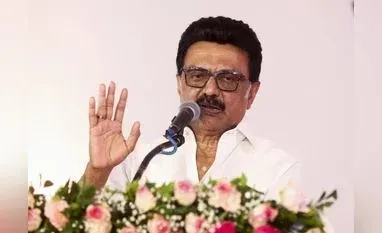
Synopsis
Stung by its Tamil Nadu Assembly poll defeat, the DMK is set to redraw its internal map — expanding district secretaries from 78 to over 100 and shrinking each unit's constituency load. With a youth-heavy review committee reporting on 10 June and voices pushing for independent local body contests, this is a party in active reset mode.
Key Takeaways
The DMK is planning a major organisational overhaul following its Tamil Nadu Assembly election defeat.
The party is considering expanding district secretaries from 78 to more than 100 , with each unit overseeing fewer constituencies.
A 38-member election review committee is expected to submit its final report on 10 June .
Cadres flagged factional disputes , weak coordination, and dissatisfaction with alliance partners during consultations.
A section of the party reportedly favours contesting upcoming local body elections independently .
The review committee is majority-composed of younger leaders, many close to Youth Wing Secretary Udhayanidhi Stalin .
The Dravida Munnetra Kazhagam (DMK) is preparing its most significant internal restructuring in recent years, following a defeat in the Tamil Nadu Assembly election. Party sources indicate the leadership is weighing a sweeping overhaul of its district-level architecture, with a focus on revitalising grassroots networks ahead of future electoral contests.
Key Developments
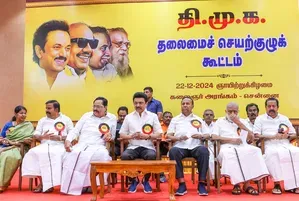
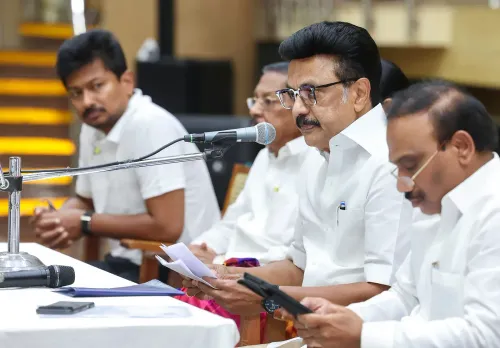
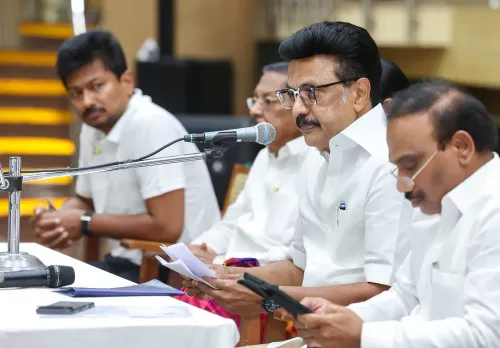
Central to the proposed changes is a plan to expand the number of district secretaries from 78 to more than 100, based on recommendations expected from the party's 38-member election review committee. The panel, constituted shortly after the electoral setback, has been conducting a statewide tour — holding consultations with party functionaries, former candidates, and ground-level workers across Tamil Nadu. It is expected to submit its final report to the party leadership on 10 June.
What Cadres Are Saying
Recurring concerns surfaced during the committee's consultations, according to sources familiar with the discussions. Cadres reportedly flagged unresolved factional disputes within local units, weak inter-unit coordination, and organisational gaps that dulled campaign effectiveness. Some functionaries also expressed dissatisfaction over the level of cooperation extended by alliance partners during and after the election. A section within the party has reportedly argued that the DMK should contest upcoming local body elections independently, rather than depending on coalition partners.
The Restructuring Plan
Under the proposed model, each district secretary — who currently oversees four to six Assembly constituencies — would be responsible for only two to four constituencies. This reduction in span of control would necessitate the creation of several new district units, pushing the total count of district secretaries well beyond 100. The intent is to ease administrative load and sharpen ground-level accountability. Notably, the push to elevate younger leaders has also emerged as a priority, with several functionaries calling for greater opportunities for emerging cadres in both organisational roles and electoral politics.
Generational Signal in the Committee
The composition of the review committee itself reflects the party's stated emphasis on generational change. A majority of its 38 members are younger leaders and youth wing functionaries, many considered close to Youth Wing Secretary Udhayanidhi Stalin. Party insiders suggest the forthcoming report could serve as the blueprint for a structural reset — one that addresses internal weaknesses while positioning the DMK for the next round of electoral battles.
What Comes Next
The committee's report, due on 10 June, is expected to set the agenda for formal deliberations within the party leadership. Should the recommendations be adopted, the DMK would undertake one of its largest district-level reorganisations in recent memory. How the party navigates factional sensitivities — and whether it proceeds independently or in alliance in local body polls — will be closely watched as a barometer of its post-defeat recovery.
Point of View
But the details reveal deeper stress fractures. Expanding district secretaries beyond 100 is an administrative fix for a political problem — factional indiscipline and alliance friction are not solved by redrawing unit boundaries. The prominence of Udhayanidhi Stalin's allies in the review committee signals a generational power consolidation as much as a reform exercise. The more consequential question — whether the DMK contests local body elections alone — will define its coalition arithmetic for years. A party that built its recent electoral strength on alliance management cannot easily pivot to solo politics without risking the very gains it seeks to protect.
NationPress
24 Oct 2026
Frequently Asked Questions
Why is the DMK undertaking an organisational restructuring?
The DMK is restructuring in response to its defeat in the Tamil Nadu Assembly election. The party constituted a 38-member review committee to identify organisational shortcomings and recommend corrective measures ahead of future elections.
What changes are being proposed to the DMK's district structure?
The party is considering expanding its district secretaries from the current 78 to more than 100. Each district secretary, who currently oversees four to six Assembly constituencies, would be responsible for only two to four under the new model, reducing workload and improving ground-level oversight.
When will the DMK review committee submit its report?
The 38-member election review committee is expected to submit its final report to the party leadership on 10 June, after completing its statewide consultation tour.
What concerns did DMK cadres raise during the review process?
Cadres reportedly raised concerns about unresolved factional disputes within local units, weak coordination mechanisms, and insufficient cooperation from alliance partners. Some functionaries also called for contesting upcoming local body elections independently.
What is Udhayanidhi Stalin's role in the restructuring process?
Udhayanidhi Stalin, the DMK's Youth Wing Secretary, has an indirect but significant influence — a majority of the 38-member review committee comprises younger leaders and youth wing functionaries considered close to him, reflecting the party's emphasis on generational change.