Swami Avimukteshwaranand backs Digvijaya Singh's Sanatan yatra from Ujjain to Ayodhya
Synopsis
A senior Congress leader's foot march from Ujjain to Ayodhya — framed around alleged temple irregularities and Sanatan accountability — has won an endorsement from a prominent Varanasi-based Hindu seer. The convergence of political and religious messaging, starting on Vijayadashami, is a striking gambit that could reshape the debate around temple governance.
Key Takeaways
Swami Avimukteshwaranand Saraswati has publicly backed Digvijaya Singh's proposed Satya Sanatan Swabhiman Yatra .
The foot march begins on 20 October (Vijayadashami) from Shri Mahakaleshwar Temple, Ujjain , and ends at the Shri Ram Temple, Ayodhya .
The yatra aims to raise awareness about alleged theft of offerings and irregularities in religious places .
The Swami's endorsement was issued from Shri Vidya Math, Varanasi , lending the march religious credibility.
Digvijaya Singh is a former Chief Minister of Madhya Pradesh and senior Congress leader.
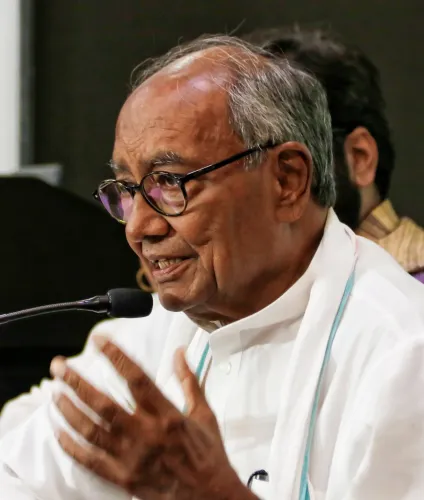
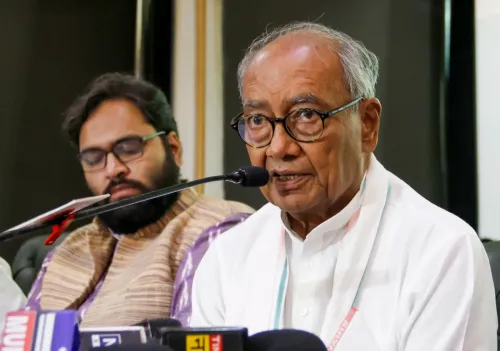
Prominent Hindu spiritual leader Swami Avimukteshwaranand Saraswati has extended his public backing to Congress leader and former Madhya Pradesh Chief Minister Digvijaya Singh's proposed Satya Sanatan Swabhiman Yatra, declaring that raising one's voice against wrongdoing conducted in the name of religion is not an act of disrespect but a duty rooted in Sanatan Dharma. The foot march is scheduled to commence on 20 October, the auspicious occasion of Vijayadashami, from the Shri Mahakaleshwar Temple in Ujjain and proceed to the Shri Ram Temple in Ayodhya.
What the Yatra Aims to Achieve
According to a statement issued by Digvijaya Singh's office, the yatra is designed to raise public awareness about the sanctity of temples, alleged theft of offerings, and reported irregularities in the management of religious places. Organisers have outlined its core themes as truth, purity, and accountability within religious institutions. The route — stretching from Ujjain, one of India's foremost Shaivite pilgrimage centres, to Ayodhya, the city associated with Lord Ram — is itself seen as a symbolic assertion of Sanatan values.
What Swami Avimukteshwaranand Said
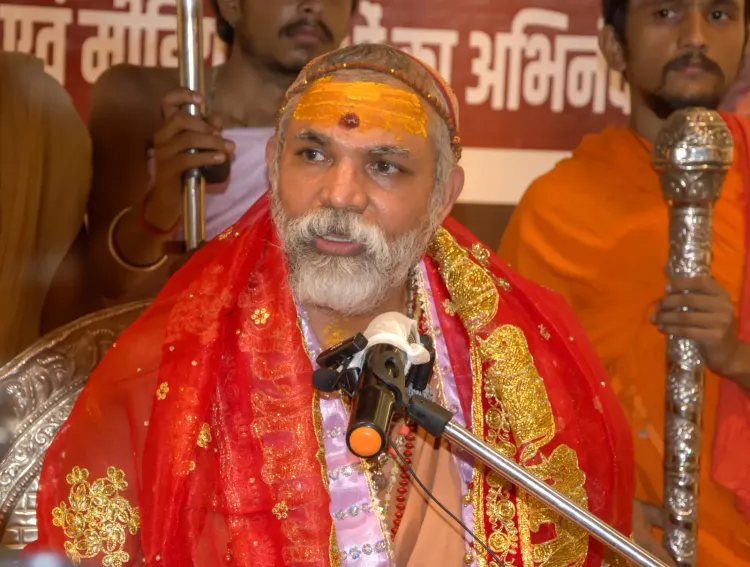
In a message issued from Shri Vidya Math in Varanasi, the Swami welcomed the initiative, describing it as a timely effort to reconnect the public with the fundamental principles of Sanatan Dharma and awaken what he called religious self-respect. 'The true essence of Sanatan Dharma lies in truth, non-violence, purity, ethical conduct and the dignity of temples,' he said, according to the statement from Digvijaya Singh's office.
The Swami further argued that religious faith cannot be invoked to justify wrongdoing, falsehood, or misconduct. He stated that when irregularities occur under the cover of religion or the sanctity of temples is violated, speaking out is a moral obligation — not an affront to faith. 'Standing up for the truth when wrongdoing takes place in the name of religion is the real expression of religious self-respect,' he said.
Referring specifically to alleged theft of offerings and lapses in the management of religious places, the Swami said that remaining silent in such circumstances was inconsistent with Sanatan Dharma's own principles. He extended his blessings to Digvijaya Singh and those accompanying him on the march, praying to Lord Mahakaleshwar and Lord Ram for the yatra's successful completion.
Political and Religious Significance
The yatra represents an unusual convergence of political and religious messaging. Digvijaya Singh, a senior Congress figure who has historically been a target of BJP criticism on Hindu identity issues, is now undertaking a high-profile pilgrimage walk that begins at one of the twelve Jyotirlinga shrines and ends at the newly consecrated Ram Temple. The Swami's endorsement lends the march a degree of religious credibility that its organisers will likely seek to amplify.
Notably, the initiative arrives as questions about temple management and the accountability of religious trusts have surfaced in several states, making the yatra's stated agenda — transparency and protection of offerings — a potentially resonant issue beyond purely partisan lines.
What Comes Next
The march is set to begin on 20 October from Ujjain, with Digvijaya Singh and supporters undertaking the foot journey toward Ayodhya. The yatra's organisers have framed the walk as both a spiritual exercise and a public accountability campaign focused on religious institutions. How the ruling Bharatiya Janata Party (BJP) in Madhya Pradesh responds — and whether other religious figures add their voices — will shape the march's political and social impact in the weeks ahead.
Point of View
Or whether it reinforces an existing perception gap. Swami Avimukteshwaranand's backing helps, but the march's impact will ultimately depend on whether it surfaces verifiable accountability around temple management — a systemic problem that no party has moved decisively to fix.
NationPress
16 Oct 2026
Frequently Asked Questions
What is the Satya Sanatan Swabhiman Yatra?
It is a foot march proposed by Congress leader and former Madhya Pradesh Chief Minister Digvijaya Singh, beginning on 20 October from the Shri Mahakaleshwar Temple in Ujjain and ending at the Shri Ram Temple in Ayodhya. The yatra aims to raise public awareness about alleged theft of offerings and irregularities in the management of religious places, under the banner of Sanatan accountability.
Why has Swami Avimukteshwaranand supported the yatra?
The Swami, issuing a message from Shri Vidya Math in Varanasi, described the march as a timely effort to reconnect people with Sanatan Dharma's core principles. He argued that speaking out against wrongdoing in religious institutions is a duty, not an act of disrespect, and extended his blessings to Digvijaya Singh for the journey.
When and where does the yatra start?
The yatra begins on 20 October — the occasion of Vijayadashami — from the Shri Mahakaleshwar Temple in Ujjain, Madhya Pradesh. It will proceed on foot to the Shri Ram Temple in Ayodhya, Uttar Pradesh.
What specific issues does the yatra intend to highlight?
Organisers say the march will focus on alleged theft of offerings at temples, irregularities in the management of religious places, and the need for accountability within religious institutions. The stated values guiding the yatra are truth, purity, and ethical conduct.
What is the political significance of this yatra?
The march is notable because Digvijaya Singh — a senior Congress leader long criticised by the BJP on Hindu identity issues — is undertaking a pilgrimage walk between two of India's most symbolically important religious sites. The Swami's endorsement adds religious legitimacy and signals Congress's attempt to engage directly with Sanatan Dharma discourse ahead of future electoral contests.