CM Dhami: Uttarakhand's mountains are now gateways to growth
Synopsis
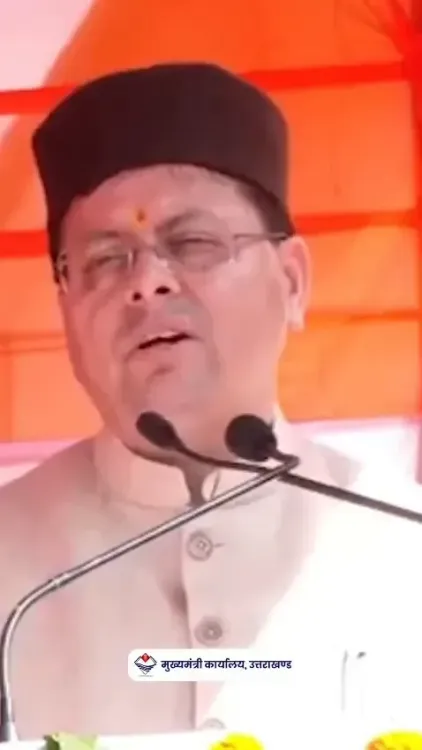
Chief Minister Pushkar Singh Dhami, speaking in an Uttarkashi context on October 16, reframed Uttarakhand's Himalayan terrain as an engine of tourism, investment, and self-employment — inverting the long-held view of mountains as barriers to growth.
Key Takeaways
CM Pushkar Singh Dhami stated that Uttarakhand's mountains, once seen as obstacles, are now opening new avenues for development, tourism, investment, and self-employment.
The remarks were made in the context of Uttarkashi , a Himalayan district that hosts the Gangotri and Yamunotri pilgrimage sites.
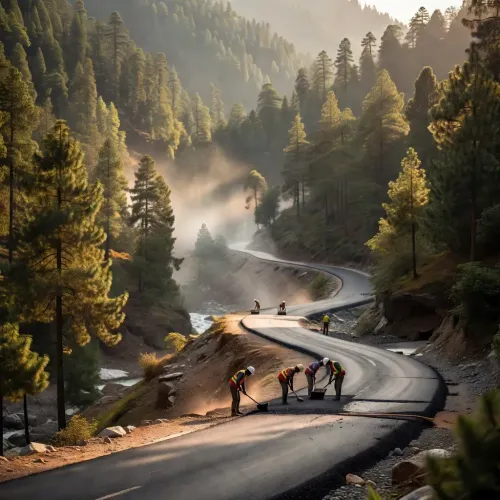
The terrain-as-asset narrative builds on infrastructure laid by the Char Dham All Weather Road project , initiated around 2016 .
Self-employment in hill districts is central to the administration's strategy for reversing long-term out-migration from Uttarakhand's mountain villages.
Uttarakhand administrations have consistently framed improved connectivity and pilgrimage tourism as the twin levers of hill-district economic revival.
The mountains that once defined Uttarakhand's limits are now defining its ambitions. Chief Minister Pushkar Singh Dhami, speaking in the context of Uttarkashi, declared on Friday, October 16, 2026, that the same hills long seen as obstacles to development are today opening doors to tourism, investment, and self-employment.
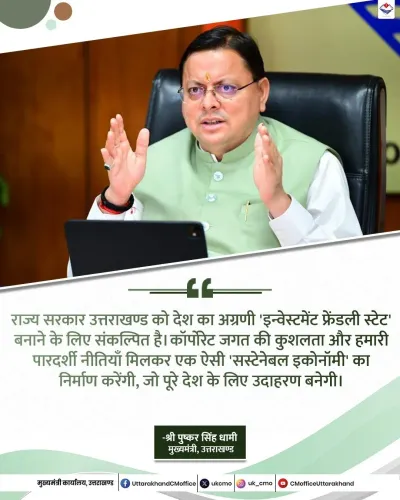
Dhami's exact words, as shared by the Chief Minister's Office of Uttarakhand on X, carried a pointed rhetorical turn: 'जिन पहाड़ों को कभी विकास की राह में बाधा माना जाता था, आज वही पहाड़ विकास, पर्यटन, निवेश और स्वरोजगार की नई-नई संभावनाओं के द्वार खोल रहे हैं।' ('The mountains that were once considered obstacles on the path of development are today opening new possibilities for development, tourism, investment, and self-employment.')
Why Uttarkashi is the right stage for this message
Uttarkashi is no peripheral district. It anchors two of Hinduism's most sacred pilgrimage circuits — Gangotri and Yamunotri — drawing hundreds of thousands of pilgrims and trekkers every year. That footfall is also an economic lifeline, and the Dhami administration has consistently framed pilgrimage infrastructure as the bedrock of hill-district employment. Saying this here, in this district, is deliberate.
The terrain-as-asset argument did not arrive with this speech. It has been the steady drumbeat of successive Uttarakhand governments, but it gained tangible institutional weight after the Char Dham All Weather Road project, initiated around 2016, began stitching remote Himalayan corridors to the national highway network. Connectivity, the thinking goes, converts scenic isolation into investable opportunity.
Out-migration and the self-employment imperative
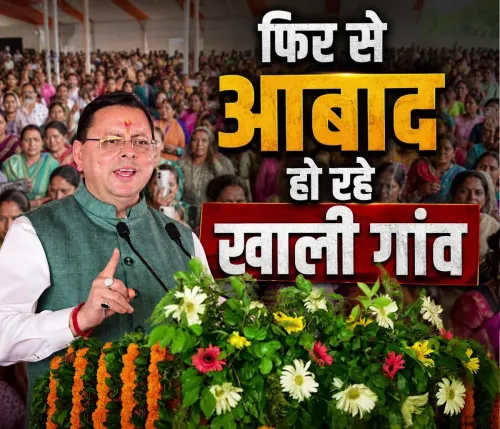
Behind the optimism sits an uncomfortable baseline: Uttarakhand's hill districts have haemorrhaged working-age residents for decades, a trend that empties villages and strains the state's long-term demographic health. Self-employment — homestays, adventure tourism outfits, local craft enterprises — is the administration's answer to reversing that flow without waiting for large industrial investment.
Dhami has returned to this theme repeatedly at state-level investment summits and district-level outreach events, pairing the pitch to outside investors with an equally insistent message to young residents: the hill economy can sustain a livelihood, if infrastructure and policy align. Whether that alignment is now materialising at the district level in Uttarkashi is the live question.
The mountains have always been there. The bet Uttarakhand is making — and CM Dhami is doubling down on — is that the state has finally built enough road, enough connectivity, and enough institutional will to collect on what the terrain was always worth.
Point of View
Once re-engineered through infrastructure, becomes competitive advantage. The Char Dham connectivity push gave that argument a physical spine, and repeated investment summits have tried to give it investor credibility. The harder test is whether district-level outcomes — actual self-employment numbers, reduced out-migration, tangible investment arrivals in places like Uttarkashi — are catching up to the rhetoric. As hill-state elections remain a permanent fixture on the BJP's strategic calendar, the administration has every incentive to keep the mountain-opportunity narrative front and centre, but durable voter credibility will depend on whether the promise lands at the panchayat level.
NationPress
16 Oct 2026
Frequently Asked Questions
What did CM Pushkar Singh Dhami say about Uttarakhand's mountains?
CM Dhami said that the mountains once considered obstacles to development are today opening new possibilities for tourism, investment, and self-employment in Uttarakhand.
Why is Uttarkashi significant for Uttarakhand's economy?
Uttarkashi hosts the Gangotri and Yamunotri pilgrimage sites, making it a major hub for religious tourism and the local employment that flows from it.
What is the Char Dham All Weather Road project?
It is a connectivity initiative started around 2016 to link Uttarakhand's remote Himalayan districts — including pilgrimage sites — to the national highway network through all-weather roads.
How is Uttarakhand tackling out-migration from hill districts?
The state government has focused on promoting self-employment through homestays, adventure tourism, and local enterprises, aiming to provide livelihoods that keep residents in hill villages.
What is Uttarakhand's strategy for attracting investment to mountain areas?
Uttarakhand has held state-level investment summits and improved road connectivity to pitch its Himalayan terrain as a tourism and business asset rather than a logistical barrier.