CM Majhi pledges to end malnutrition in Odisha on World Food Day
Synopsis
On World Food Day 2026, Odisha Chief Minister Mohan Charan Majhi pledged to eliminate malnutrition in the state, expressed gratitude to farmers, and called on citizens to stop wasting food as his BJP government presses its nutrition agenda.
Key Takeaways
Odisha Chief Minister Mohan Charan Majhi marked World Food Day on 16 October 2026 with a public commitment to eliminate malnutrition statewide.
He expressed 'heartfelt gratitude' to farmers, centering agrarian communities in the food security narrative.
The government pledged to ensure access to 'nutritious food' for all residents of Odisha.
The National Food Security Act (2013) and POSHAN Abhiyaan (2018) form the existing policy backbone for Odisha's nutrition efforts.
Odisha has historically recorded high malnutrition rates in successive NFHS surveys despite a large agrarian economy.
Majhi's BJP government , in office since June 2024 , is the state's first BJP administration and has flagged nutrition as a governance priority.
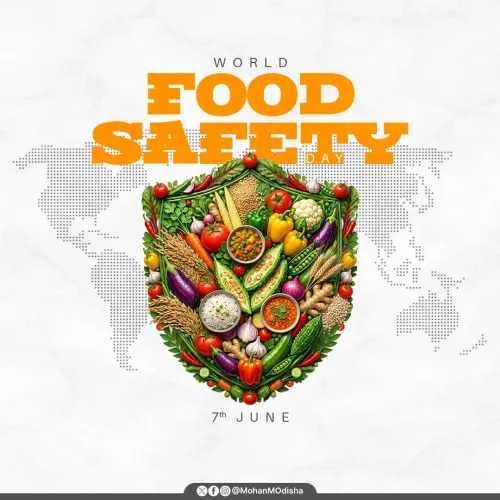
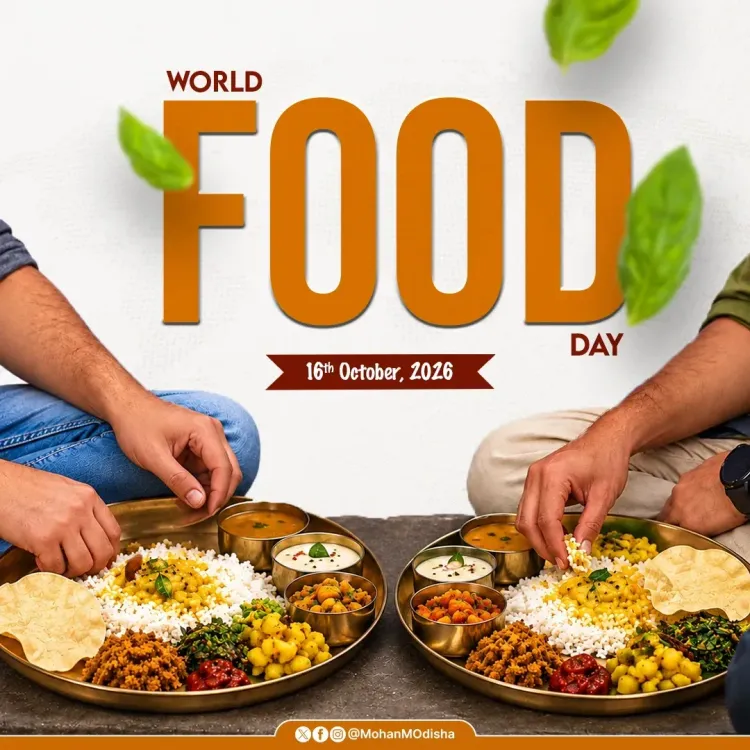
On World Food Day, 16 October 2026, Odisha Chief Minister Mohan Charan Majhi reaffirmed his government's commitment to eliminating malnutrition across the state — and paid tribute to the farmers who make that ambition possible.
In his message, the Chief Minister said: 'Our government is firmly committed to ensuring access to nutritious food and completely eliminating malnutrition in the state. On this day, let us pledge to never waste food and actively contribute towards building a healthy and prosperous Odisha.' The appeal was directed at citizens and officials alike, coupling a policy commitment with a call for personal responsibility.
Why Odisha and hunger have a long, complicated history
Odisha is one of India's predominantly agrarian states, yet successive rounds of the National Family Health Survey have placed it among states with persistently high malnutrition indicators, particularly in tribal and remote districts. That gap — between a farming economy and child nutrition outcomes — is precisely the fault line the Chief Minister's pledge is designed to address.
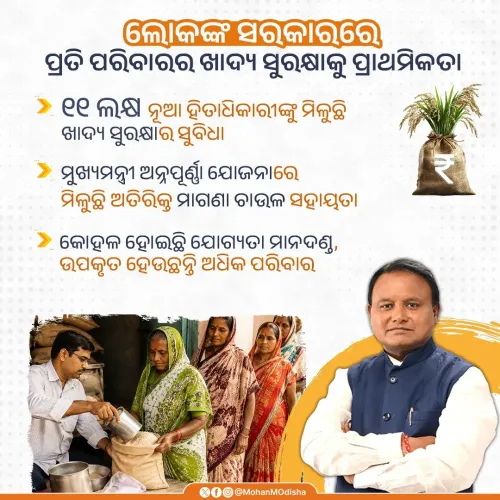
The foundation is already partly laid in law. The National Food Security Act of 2013 guarantees subsidised foodgrains to 75 per cent of rural households and 50 per cent of urban households across India. Odisha also runs the Supplementary Nutrition Programme under the Integrated Child Development Services, delivering meals to young children and pregnant women for decades. The policy architecture exists. Execution at the last mile remains the test.
POSHAN Abhiyaan and the state's role in a national mission
Since the national launch of POSHAN Abhiyaan in 2018, states have been the primary delivery arms for India's ambition to cut stunting, undernutrition, and anaemia. The mission coordinates across departments — health, women and child development, rural development — and requires sustained state-level budgetary and administrative commitment. Majhi's BJP government, which took office in June 2024 marking the party's first administration in Odisha, has signalled that nutrition will be a visible priority.
World Food Day itself, observed every 16 October since the Food and Agriculture Organisation established it in 1979, is anchored to Sustainable Development Goal 2 — Zero Hunger. State-level pledges on this date carry symbolic weight, but the sharper measure will come in updated NFHS data or supplementary budget provisions for food and nutrition programmes.
The farmer at the centre of the story
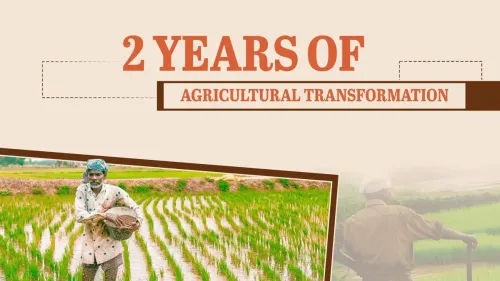
Notably, the Chief Minister did not begin with policy — he began with gratitude. The acknowledgement of 'hardworking farmers who nourish us' places the agrarian community at the moral core of the food security conversation, a deliberate framing in a state where the farm vote and rural welfare are politically and economically central. It is a reminder that food security is not just a welfare delivery problem; it is inseparable from the dignity and income of those who grow the food in the first place.
The kicker: pledges on World Food Day are made every year across every state — what will set this one apart is whether the next nutrition survey shows Odisha's malnutrition numbers actually moving.
Point of View
However, is institutional: whether the Majhi administration deepens implementation of POSHAN Abhiyaan and NFSA at the district level, or whether this remains a ceremonial pledge. Observers will watch the next NFHS round and state budget provisions for concrete evidence of movement.
NationPress
16 Oct 2026
Frequently Asked Questions
What did Odisha CM Mohan Majhi say on World Food Day 2026?
Chief Minister Mohan Charan Majhi pledged to ensure access to nutritious food and completely eliminate malnutrition in Odisha, and urged citizens to pledge never to waste food.
What is World Food Day and when is it observed?
World Food Day is observed every 16 October , established by the Food and Agriculture Organisation (FAO) in 1979 , to highlight global food security and hunger issues and align with the UN's Zero Hunger goal.
What schemes support food security in Odisha?
Odisha's food security efforts are backed by the National Food Security Act (2013) , the national POSHAN Abhiyaan (2018) anti-malnutrition mission, and the state's long-running Supplementary Nutrition Programme under ICDS.
When did Mohan Charan Majhi become Chief Minister of Odisha?
Mohan Charan Majhi became Odisha Chief Minister in June 2024 , leading the state's first BJP government.
What is Odisha's malnutrition situation?
Successive rounds of the National Family Health Survey have recorded persistently high malnutrition rates in Odisha, especially in tribal and remote districts, despite the state having a large agrarian economy.