Shekhawat launches two books at event graced by Sudha Murty
Synopsis
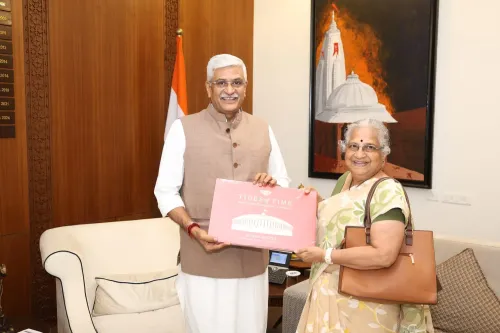
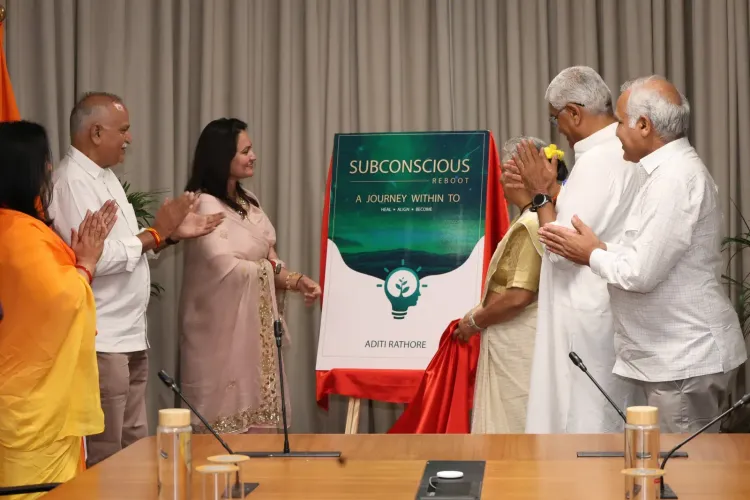
Union Culture Minister Gajendra Singh Shekhawat launched two books — Aditi Rathore's self-help work 'Subconscious Reboot' and Simran Rathore's historical novel 'Kesariya' on Rana Sanga and Rani Karnavati — at an event graced by Padma Bhushan awardee and Rajya Sabha MP Sudha Murty on 16 October 2026.
Key Takeaways
Union Culture Minister Gajendra Singh Shekhawat launched two books at a literary event on 16 October 2026 .
Padma Bhushan awardee and Rajya Sabha MP Sudha Murty was the distinguished guest at the ceremony.
Aditi Rathore's 'Subconscious Reboot' focuses on self-reflection and positive personal transformation.
Simran Rathore's novel 'Kesariya' draws on the valour of Rana Sanga and the sacrifice of Rani Karnavati to celebrate Rajasthan's heritage.
The event reflects the Ministry of Culture's ongoing emphasis on regional historical memory and Indian-language writing.
Two new voices in Indian literature found their moment on Friday, 16 October 2026, when Union Culture and Tourism Minister Gajendra Singh Shekhawat launched Aditi Rathore's self-help work 'Subconscious Reboot' and Simran Rathore's historical novel 'Kesariya' — with none other than Padma Bhushan awardee and Rajya Sabha MP Sudha Murty lending her distinguished presence to the occasion.
What the two books bring to the table
Aditi Rathore, described as an international educationist and mindset coach, uses 'Subconscious Reboot' to guide readers toward self-reflection and positive transformation. Shekhawat noted that her writing aims to spark meaningful inner change — a theme that sits squarely within the growing genre of Indian self-development literature finding mainstream cultural validation.
Simran Rathore's novel 'Kesariya' takes a markedly different route, rooting itself in the heroic legacy of Rajasthan. The book draws on the indomitable valour of Rana Sanga — the 16th-century ruler of Mewar who mounted fierce resistance against Mughal forces — and the sacrifice and jauhar of Rani Karnavati during the 1535 siege of Chittorgarh. Through these episodes, the novel reaches for something larger: Rajasthan's tradition of courage, self-respect, and devotion to the nation.
Sudha Murty's presence and what it signals
Sudha Murty — author, philanthropist, former chairperson of the Infosys Foundation, and Rajya Sabha MP — is among the most recognised literary figures in contemporary India. Her presence at a book launch carries weight far beyond a ceremonial appearance; it frames the event as one the literary establishment takes seriously. Shekhawat acknowledged her 'dignified presence' (गरिमामयी उपस्थिति) as central to the occasion.
The Culture Ministry's recurring literary stamp
The launch fits a visible pattern in how the Ministry of Culture under Shekhawat has engaged with literary and heritage events — particularly those that foreground Rajasthan's martial history and Indian-language writing. Championing historical memory through public platforms has become a deliberate strand of ministry programming, with this event blending personal-development writing with a Rajput historical narrative in a single sitting.
Shekhawat extended warm congratulations to both authors, calling the dual launch a genuine literary achievement.
For two writers stepping into the national spotlight, an endorsement from a Union Minister alongside India's most celebrated literary-philanthropist may well be the strongest possible opening chapter.
Frequently Asked Questions
What books did Gajendra Singh Shekhawat launch in October 2026?
Shekhawat launched two books: 'Subconscious Reboot' by Aditi Rathore, a self-help and mindset coaching work, and 'Kesariya' by Simran Rathore, a historical novel centred on Rana Sanga and Rani Karnavati of Mewar.
Who is Sudha Murty and why was she at this book launch?
Sudha Murty is a Padma Bhushan-awarded author, philanthropist, and Rajya Sabha MP. She was the distinguished guest at the launch, lending literary credibility and national recognition to the event.
What is the novel 'Kesariya' about?
'Kesariya' by Simran Rathore is a historical novel that depicts the valour of 16th-century Mewar ruler Rana Sanga and the sacrifice and jauhar of Rani Karnavati during the 1535 siege of Chittorgarh, celebrating Rajasthan's traditions of courage and patriotism.
Who is Aditi Rathore and what is 'Subconscious Reboot'?
Aditi Rathore is described as an international educationist and mindset coach. 'Subconscious Reboot' is her book aimed at guiding readers toward self-reflection and positive personal transformation.
How is the Culture Ministry promoting Indian literature and heritage?
Under Minister Shekhawat, the Ministry of Culture has regularly participated in literary events that foreground regional history — especially Rajasthan's martial traditions — and Indian-language writing, using public platforms to strengthen historical memory and support emerging authors.