Shekhawat pays tribute to revolutionary Rash Behari Bose on birth anniversary
Synopsis
Union Culture and Tourism Minister Gajendra Singh Shekhawat paid homage to revolutionary Rash Behari Bose on his birth anniversary, honouring the organiser of the 1915 Ghadar conspiracy and founder of the Indian Independence League whose legacy underpins the government's broader effort to elevate armed revolutionaries in national memory.
Key Takeaways
Union Culture and Tourism Minister Gajendra Singh Shekhawat paid tribute to Rash Behari Bose on his birth anniversary on 25 May 2026 .
Rash Behari Bose , born in 1886 , organised the 1915 Ghadar conspiracy and founded the Indian Independence League in 1942 in Japan.
He handed leadership of the Indian National Army (INA) to Subhas Chandra Bose in 1943 , enabling its armed campaign against British forces.
The tribute aligns with Azadi Ka Amrit Mahotsav , the Ministry of Culture's initiative since 2021 to spotlight revolutionary leaders.
Since 2014 , the government has systematically elevated armed revolutionaries in national memory through ministerial statements and cultural programming.
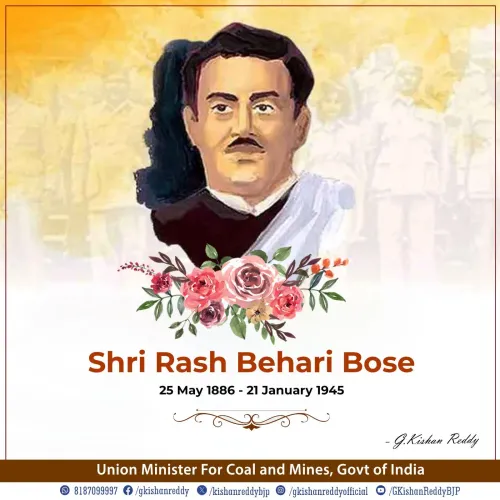
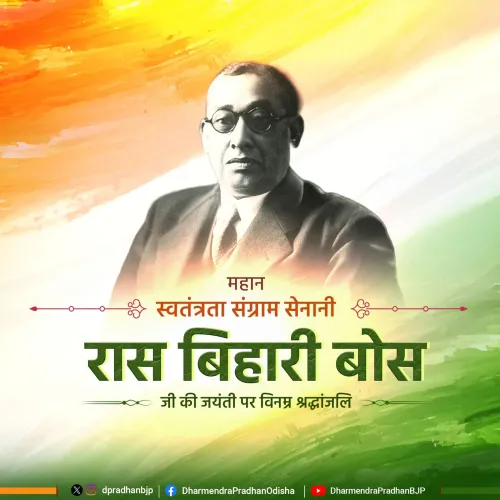
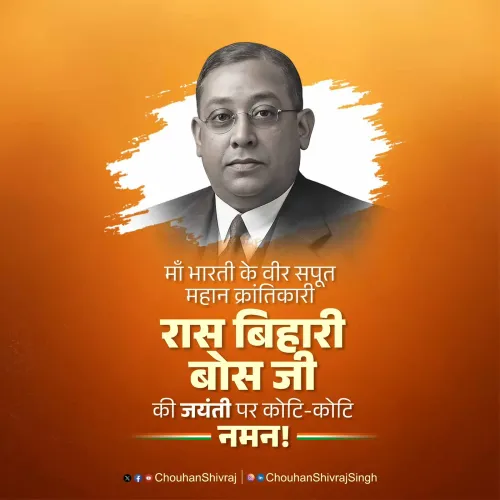
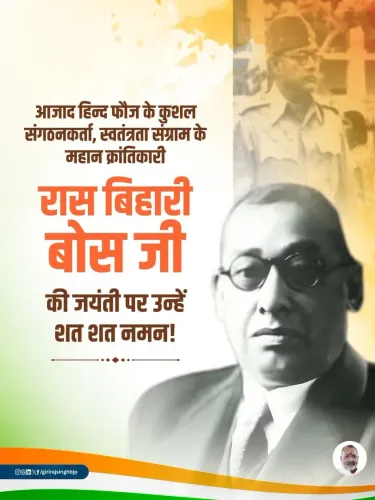
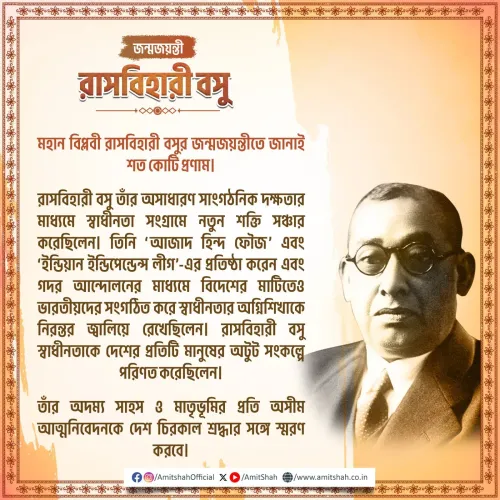
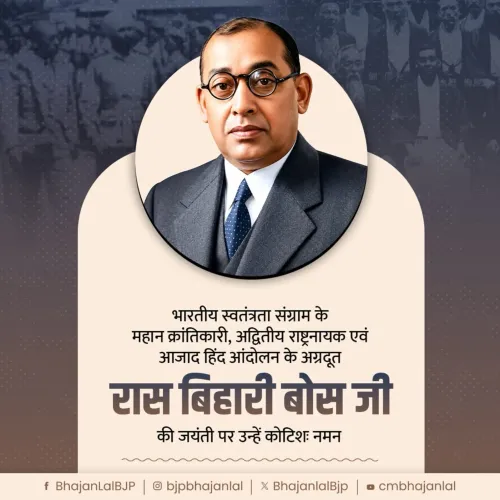
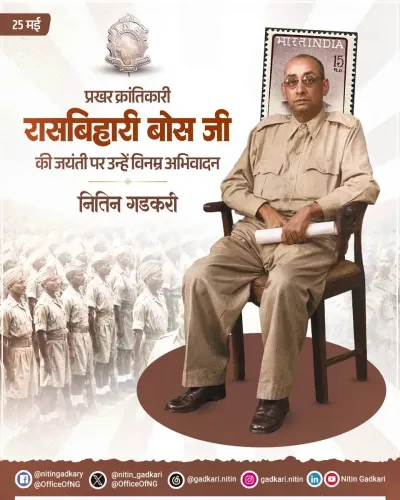
Union Culture and Tourism Minister Gajendra Singh Shekhawat on Monday, 25 May 2026, paid homage to freedom fighter Rash Behari Bose on his birth anniversary, calling his contribution to India's independence struggle one that will be 'inscribed in golden letters on the pages of history.'
Context
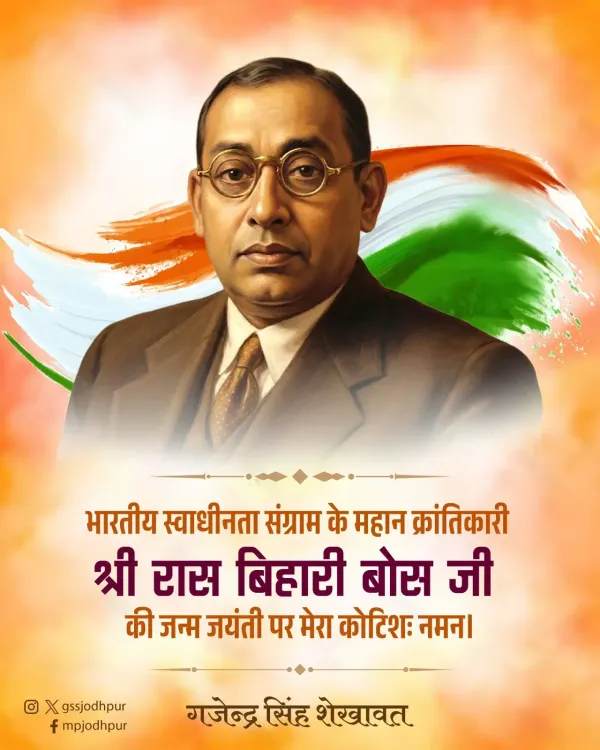
Shekhawat posted in Hindi on X, writing: 'भारतीय स्वाधीनता संग्राम के महान क्रांतिकारी श्री रास बिहारी बोस जी की जन्म जयंती पर मेरा कोटिशः नमन' ['My countless salutations on the birth anniversary of the great revolutionary of India's freedom struggle, Shri Rash Behari Bose']. He added that Bose's contribution to the country's independence would remain 'inscribed in golden letters on the pages of history forever.'
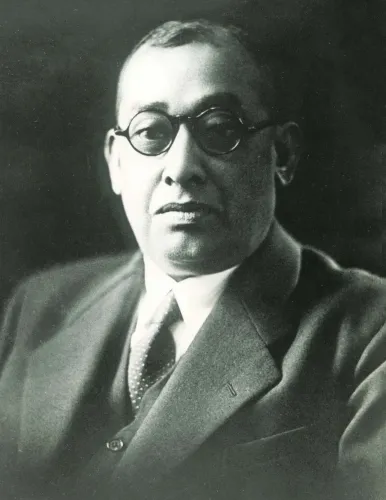
Rash Behari Bose, born in 1886, was among the foremost armed revolutionaries of the independence era. He is best remembered for masterminding the 1912 Delhi bomb attack on the Viceroy's procession and for organising the 1915 Ghadar conspiracy, a coordinated mutiny attempt against British forces. Facing certain arrest, he fled to Japan, where he spent the rest of his life agitating for Indian freedom from exile.
Policy Backdrop
In Japan, Rash Behari Bose founded the Indian Independence League in 1942 and subsequently handed its leadership — along with command of the Indian National Army (INA) — to Subhas Chandra Bose in 1943, enabling the INA's armed operations against British forces across Southeast Asia. His role as the organisational architect of the INA is considered a foundational chapter of India's revolutionary heritage.
The tribute fits within the broader policy framework of Azadi Ka Amrit Mahotsav, launched by the Ministry of Culture in 2021 to mark 75 years of Indian independence by spotlighting the contributions of revolutionary leaders alongside mainstream narratives. The initiative has included museum exhibitions, archival releases, and curriculum references to figures such as Rash Behari Bose.
Stakeholders and Impact
Since 2014, the government has systematically elevated the public profile of armed revolutionaries through ministerial statements and cultural programming, forming part of a broader recalibration of national memory. This approach gives equal prominence to figures outside the Congress-led non-violent stream of the independence movement.
Annual social-media tributes by Culture Ministry functionaries on birth and martyrdom anniversaries reinforce this narrative for citizens and students alike. Shekhawat, as a senior BJP Lok Sabha MP from Jodhpur, Rajasthan, has regularly used his platform to issue such public remembrances of independence-era figures.
What's Next
Observers will watch for possible new memorials, archival releases, or cultural events by the Culture Ministry around Independence Day on 15 August that further highlight Rash Behari Bose's legacy. Any parliamentary references during the upcoming Monsoon Session to revolutionary contributions in school textbooks would also mark a concrete policy step beyond ceremonial tribute.
As the government continues to weave armed revolutionaries more prominently into India's official historical narrative, annual observances such as this one signal an enduring institutional commitment to reshaping how the nation remembers its path to freedom.
Point of View
Part of a sustained ministerial effort to embed armed revolutionaries more firmly in India's official historical consciousness. By consistently marking such anniversaries through the Culture Ministry's platform, the BJP reinforces a counter-narrative to the Congress-dominated, non-violent framing of the freedom movement. Rash Behari Bose is a particularly significant choice given his organisational role in building the INA infrastructure that Subhas Chandra Bose later commanded — a lineage the current government has actively celebrated. The pattern suggests these social-media tributes are not incidental but coordinated signals of a long-term national-memory project.
NationPress
9 Oct 2026
Frequently Asked Questions
Who was Rash Behari Bose and why is he remembered?
Rash Behari Bose was an Indian revolutionary born in 1886 who organised the 1912 Delhi bomb attack on the Viceroy and the 1915 Ghadar conspiracy. He later fled to Japan, founded the Indian Independence League in 1942, and handed its leadership along with the Indian National Army to Subhas Chandra Bose in 1943.
Why did Gajendra Singh Shekhawat pay tribute to Rash Behari Bose?
Union Culture and Tourism Minister Gajendra Singh Shekhawat paid tribute on Rash Behari Bose's birth anniversary on 25 May 2026, calling his contribution to India's independence struggle one that will remain 'inscribed in golden letters on the pages of history.'
What is the connection between Rash Behari Bose and Subhas Chandra Bose?
Rash Behari Bose founded the Indian Independence League in 1942 and transferred its leadership, along with command of the Indian National Army, to Subhas Chandra Bose in 1943. Subhas Chandra Bose then led the INA's armed campaign against British forces in Southeast Asia.
What is Azadi Ka Amrit Mahotsav and how does it relate to this tribute?
Azadi Ka Amrit Mahotsav is a Ministry of Culture initiative launched in 2021 to mark 75 years of Indian independence by spotlighting revolutionary leaders alongside mainstream narratives. Ministerial tributes to figures like Rash Behari Bose form part of this broader commemoration effort.
What is Gajendra Singh Shekhawat's role in the government?
Gajendra Singh Shekhawat is the Union Minister of Culture and Tourism and a senior BJP leader serving as a Lok Sabha MP from Jodhpur, Rajasthan. He regularly issues public tributes to independence-era figures through social media in his capacity as Culture Minister.