Pradhan Pays Tribute to Revolutionary Rash Behari Bose on Birth Anniversary
Synopsis
Union Education Minister Dharmendra Pradhan honoured revolutionary Rash Behari Bose on his birth anniversary, praising his founding of the Azad Hind Fauj and his work mobilising the Indian diaspora for the independence struggle. Pradhan called his patriotism a continuing source of inspiration for every Indian.
Key Takeaways
Dharmendra Pradhan paid tribute to Rash Behari Bose on his birth anniversary on 25 May 2026 .
Rash Behari Bose , born in 1886 , fled to Japan after the Ghadar movement and organised armed resistance from exile.
He co-founded the Azad Hind Fauj (Indian National Army) in 1942 in Southeast Asia to fight British forces.
In 1943 , he handed over the INA presidency to Subhas Chandra Bose .
The tribute is part of a sustained government effort since 2014 to elevate the legacies of armed revolutionaries through official commemoration.
Pradhan described Bose's sacrifice as 'unparalleled' and called his patriotism a continuing inspiration for every Indian.
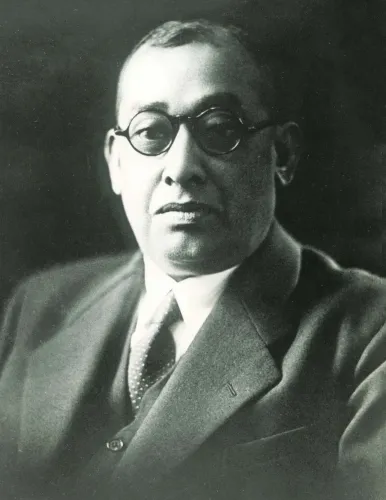
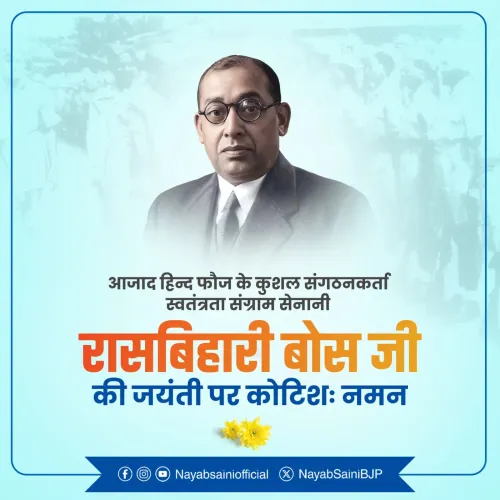
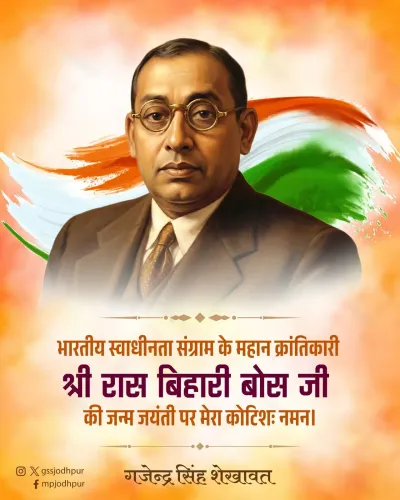
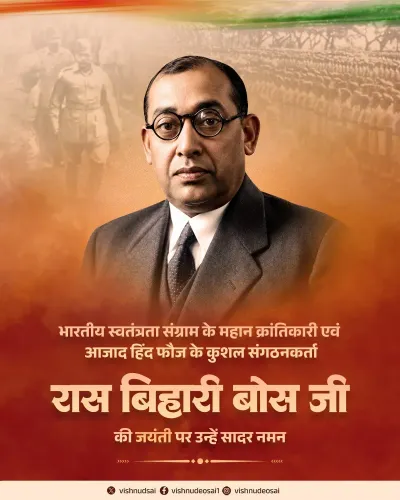
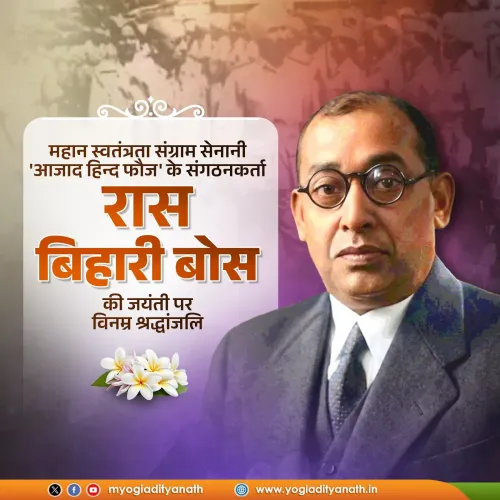
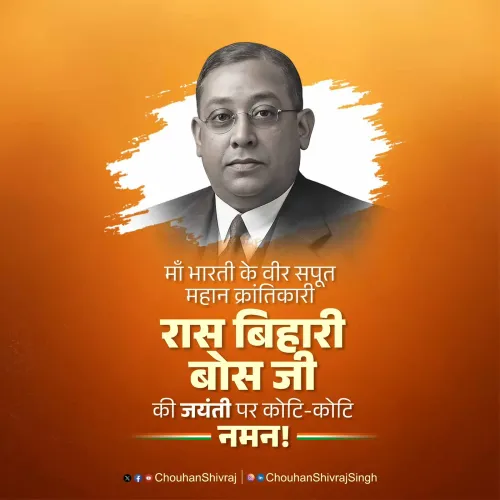
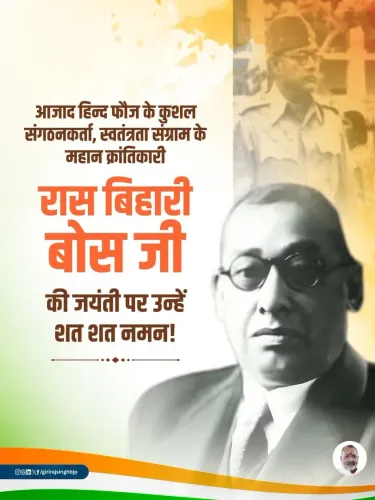
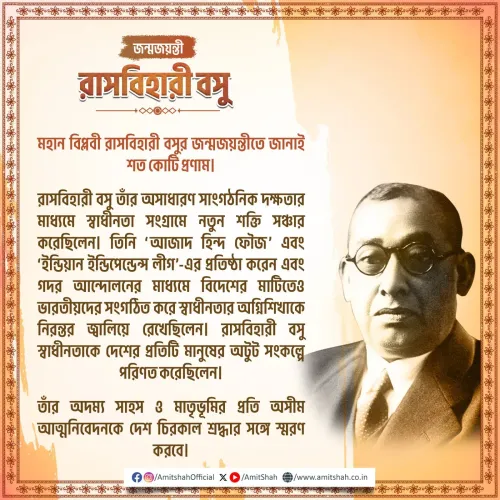
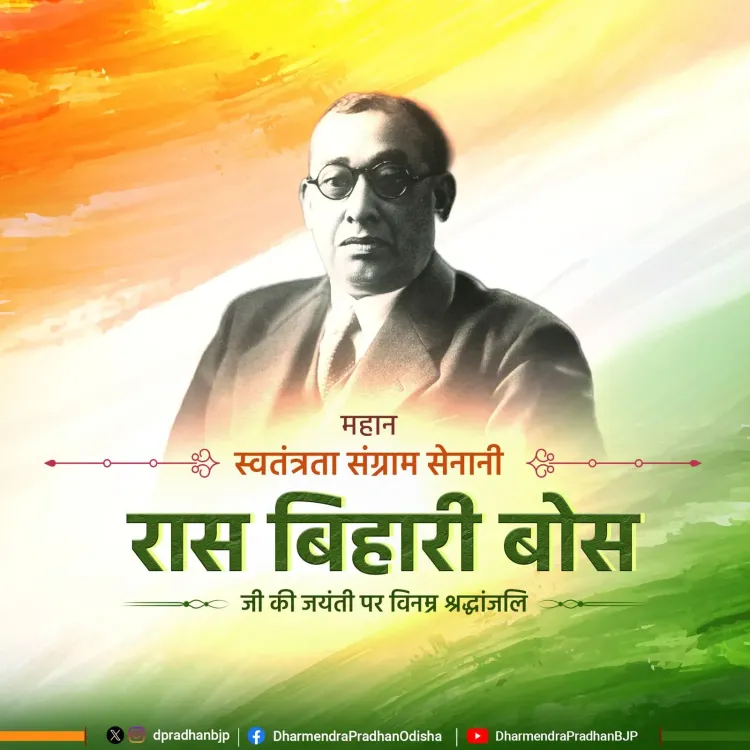
Union Education Minister Dharmendra Pradhan on Monday, 25 May 2026 paid tribute to Indian revolutionary Rash Behari Bose on his birth anniversary, calling him a symbol of unyielding courage and honouring his role in founding the Azad Hind Fauj (Indian National Army) and mobilising the Indian diaspora in the freedom struggle.
Context
In his post, Minister Pradhan wrote: 'अडिग साहस के प्रतीक, महान क्रांतिकारी रास बिहारी बोस जी की जयंती पर कोटि-कोटि नमन' — 'Heartfelt salutations on the birth anniversary of the great revolutionary Rash Behari Bose, a symbol of unyielding courage.' He described Bose's sacrifice and bravery for India's freedom as 'unparalleled' and called his contribution to founding the Azad Hind Fauj and connecting overseas Indians to the national cause 'invaluable.'
Pradhan added that Bose's 'unbroken patriotism continues to inspire every Indian even today.' The tribute reflects a broader governmental emphasis on honouring revolutionary nationalists alongside mainstream freedom movement leaders.
Who Was Rash Behari Bose
Rash Behari Bose, born in 1886, was a pioneering Indian revolutionary who participated in the Ghadar movement and subsequently fled to Japan to continue organising armed resistance against British rule from exile. He spent decades building networks among the Indian diaspora in Southeast Asia and Japan, channelling their energy toward the independence cause.
In 1942, he was instrumental in founding the Azad Hind Fauj — the Indian National Army — in Southeast Asia, bringing together Indian soldiers and civilians to fight British forces during World War II. In 1943, he handed over the presidency of the organisation to Subhas Chandra Bose, who went on to lead it as its most recognised commander.
Policy Backdrop
Since 2014, the central government has systematically elevated the legacies of armed revolutionaries through official commemorations, museum projects, and school programmes. The Azadi Ka Amrit Mahotsav, launched in 2021 to mark 75 years of independence, gave particular prominence to figures like Rash Behari Bose who operated outside the mainstream nationalist movement but made decisive contributions to the freedom struggle.
These tributes also serve to link historical diaspora mobilisation — a hallmark of Rash Behari Bose's approach — with present-day overseas Indian engagement policies. Ministerial social-media posts on birth anniversaries have become a consistent feature of this digital-era civic education strategy.
Stakeholders and Impact
The commemoration holds significance for history students, the Indian diaspora, and communities in Japan and Southeast Asia where Rash Behari Bose spent much of his revolutionary career. His legacy bridges domestic nationalist history with the story of overseas Indians who sacrificed for a homeland many had never lived in.
Educational stakeholders will note that the government's sustained focus on such figures could influence how revolutionary nationalism is presented in curricula, including potential revisions to NCERT textbooks and state-level syllabi.
What's Next
With the government's ongoing emphasis on diaspora outreach and nationalist heritage, anniversaries linked to the Azad Hind Fauj are likely to see expanded official observance. The possibility of Rash Behari Bose's role receiving greater prominence in revised school curricula and diaspora engagement programmes remains a development worth watching in the months ahead.
Point of View
The post draws a deliberate line between historical overseas Indian activism and contemporary diaspora engagement policy. For a minister overseeing education, such commemorations also carry a curricular signal — that revolutionary nationalism deserves parity with the non-violent mainstream in how India's freedom struggle is taught. The consistency of this messaging across ministerial accounts suggests coordinated political communication rather than spontaneous personal tribute.
NationPress
9 Oct 2026
Frequently Asked Questions
Who was Rash Behari Bose and why is he remembered?
Rash Behari Bose was an Indian revolutionary born in 1886 who fled to Japan after participating in the Ghadar movement. He is remembered primarily for co-founding the Azad Hind Fauj (Indian National Army) in 1942 and for mobilising the Indian diaspora in Southeast Asia and Japan for the independence struggle.
What is the Azad Hind Fauj?
The Azad Hind Fauj, also known as the Indian National Army (INA), was an armed force formed in 1942 in Southeast Asia by Indian nationalists, including Rash Behari Bose, to fight British colonial rule during World War II. Subhas Chandra Bose later took command of the organisation in 1943.
What did Dharmendra Pradhan say about Rash Behari Bose?
Pradhan described Rash Behari Bose as a 'symbol of unyielding courage' and called his sacrifice and bravery 'unparalleled.' He said Bose's contribution to founding the Azad Hind Fauj and connecting overseas Indians to the national cause was 'invaluable,' and that his patriotism continues to inspire every Indian.
Why does the Indian government frequently commemorate Rash Behari Bose?
Since 2014 the government has made a sustained effort to elevate the legacies of armed revolutionaries alongside mainstream freedom movement leaders, through official commemorations, museum projects, and school programmes. Rash Behari Bose's role in diaspora mobilisation also aligns with present-day overseas Indian engagement priorities.
Could Rash Behari Bose's contributions be included in school textbooks?
The possibility exists that his role may receive greater prominence in revised NCERT or state curricula, given the government's sustained focus on revolutionary nationalists. However, no specific curriculum directive has been officially confirmed as of the date of this tribute.