Giriraj Singh pays tribute to Rash Behari Bose on birth anniversary
Synopsis
Union Textiles Minister Giriraj Singh on 25 May 2026 honoured revolutionary Rash Behari Bose on his birth anniversary, calling him a 'skilled organiser of the Azad Hind Fauj' whose contribution to India's freedom 'can never be forgotten.' The tribute continues the BJP government's pattern of commemorating INA-era freedom fighters.
Key Takeaways
Union Textiles Minister Giriraj Singh paid tribute to Rash Behari Bose on his birth anniversary on 25 May 2026 .
Rash Behari Bose founded the Azad Hind Fauj in 1942 before handing command to Subhas Chandra Bose in 1943 .
Bose spent decades in exile in Japan , where he built the Indian Independence League to support India's freedom struggle.
Singh described Bose's contribution as 'unparalleled' and said it 'can never be forgotten.' The tribute is part of the BJP-led government's broader effort since 2014 to highlight INA-era and non-Congress revolutionary figures in the independence narrative.
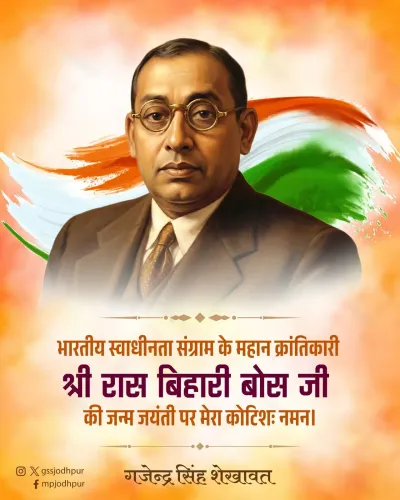
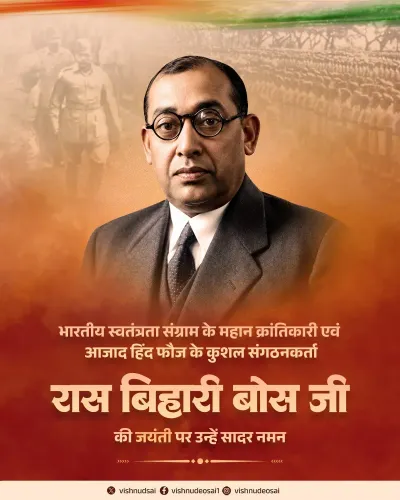
Union Textiles Minister Giriraj Singh on Monday, 25 May 2026 paid tribute to revolutionary freedom fighter Rash Behari Bose on his birth anniversary, honouring his role as a key organiser of the Azad Hind Fauj and his lifelong dedication to India's independence.
Context
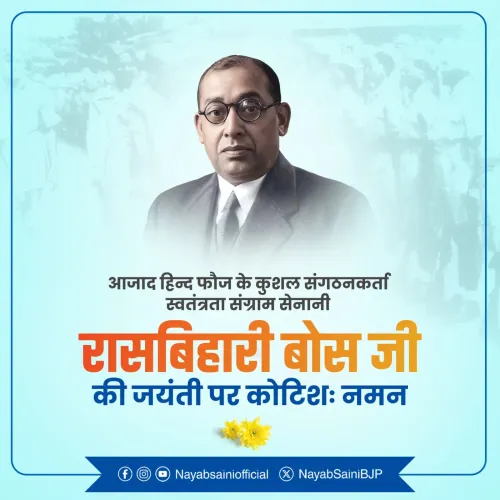
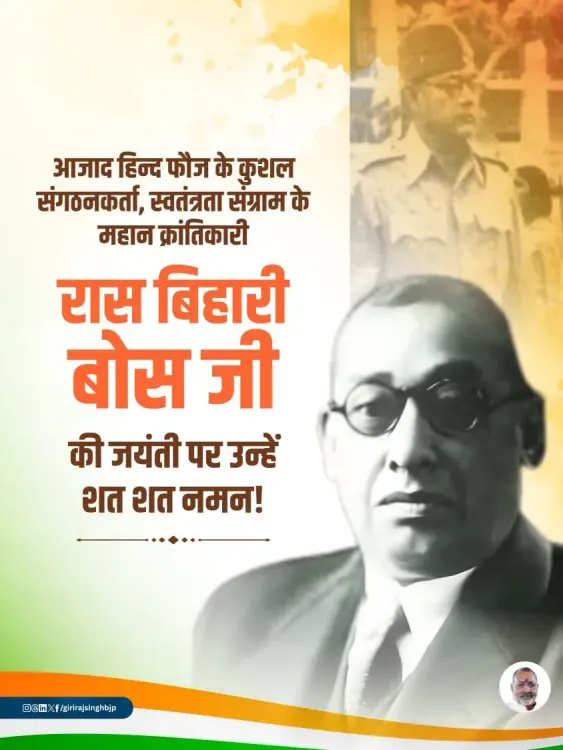
Posting in Hindi on X, Singh wrote: 'Azad Hind Fauj ke kushaal sangathankarta aur desh ki swatantrata ke liye apna jeevan samarpit karne waale mahan krantikari Rash Behari Bose ji ki jayanti par unhe shat-shat naman' — ('On the birth anniversary of the great revolutionary Rash Behari Bose, a skilled organiser of the Azad Hind Fauj who dedicated his life to the country's independence, I offer a hundred salutes'). He added that Bose's 'unparalleled contribution to India's freedom can never be forgotten.'
The post, accompanied by an image, was shared at 7:30 AM IST and carried the hashtags #RashBehariBose, #FreedomFighter, and #India.
Policy Backdrop
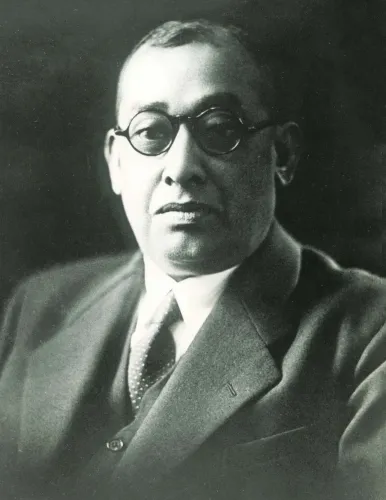
Rash Behari Bose was an Indian revolutionary who spent decades in exile in Japan, where he founded the Indian Independence League and laid the groundwork for the Azad Hind Fauj (Indian National Army) in 1942. He subsequently handed command of the INA to Subhas Chandra Bose in 1943, who led its campaigns across Southeast Asia against British rule.
The BJP-led government has since 2014 made a deliberate effort to expand the official narrative of India's independence movement to include INA veterans and revolutionary figures outside the mainstream Congress-led tradition. This included the Azadi Ka Amrit Mahotsav (2021–2023), which featured commemorations of INA contributions, and the institution of Parakram Diwas on 23 January from 2021 to honour Netaji Subhas Chandra Bose and the armed-resistance legacy.
Stakeholders and Impact
Tributes of this kind resonate with Indian citizens and the Indian diaspora in Japan, where Rash Behari Bose is remembered as a significant historical figure who spent over three decades building solidarity networks for Indian independence. His legacy is particularly prominent in communities that trace the INA's origins to his organisational work in Tokyo and Osaka.
For the BJP, ministerial social-media tributes to such figures serve a dual purpose: keeping lesser-known revolutionary histories in public consciousness while reinforcing the party's broader political narrative that India's freedom struggle was wider and more diverse than any single organisation or ideology.
What's Next
Observers will watch for any official commemorations by the Ministry of Culture or related bodies around 25 May, as well as references in upcoming parliamentary sessions to freedom-fighter documentation initiatives. Singh's post signals continued ministerial attention to INA-era figures, and further institutional recognition — such as archival projects or commemorative publications — cannot be ruled out in the months ahead.
Point of View
Consistent with the BJP's decade-long project of recentring India's independence narrative around INA veterans and revolutionary figures. By invoking Bose's role as the Azad Hind Fauj's original organiser — a detail often overshadowed by Netaji Subhas Chandra Bose's more prominent command — Singh signals the government's interest in granular historical reclamation, not just broad symbolism. Such ministerial posts rarely announce policy but carry cumulative weight, shaping which historical figures receive institutional memory and public salience. The pattern suggests the government will continue using social media as a low-cost tool for narrative expansion ahead of major commemorative milestones.
NationPress
9 Oct 2026
Frequently Asked Questions
Who was Rash Behari Bose and what did he do for Indian independence?
Rash Behari Bose was an Indian revolutionary who founded the Indian Independence League and the Azad Hind Fauj in 1942 while in exile in Japan, before handing command of the INA to Subhas Chandra Bose in 1943.
Why did Giriraj Singh post a tribute to Rash Behari Bose?
Giriraj Singh posted the tribute on 25 May 2026 to mark Rash Behari Bose's birth anniversary, calling him a skilled organiser of the Azad Hind Fauj and honouring his contribution to India's freedom.
What is the Azad Hind Fauj?
The Azad Hind Fauj, also known as the Indian National Army (INA), was formed in 1942 with Japanese support to fight British rule. It was organised by Rash Behari Bose and later led by Subhas Chandra Bose.
What is the BJP government's stance on INA freedom fighters?
Since 2014, the BJP-led government has actively commemorated INA veterans and revolutionary figures through initiatives like Azadi Ka Amrit Mahotsav and Parakram Diwas, expanding the official independence narrative beyond the Congress-led mainstream.
Where did Rash Behari Bose live in exile?
Rash Behari Bose lived in exile in Japan, where he spent over three decades organising nationalist networks, founding the Indian Independence League, and laying the groundwork for the Azad Hind Fauj.