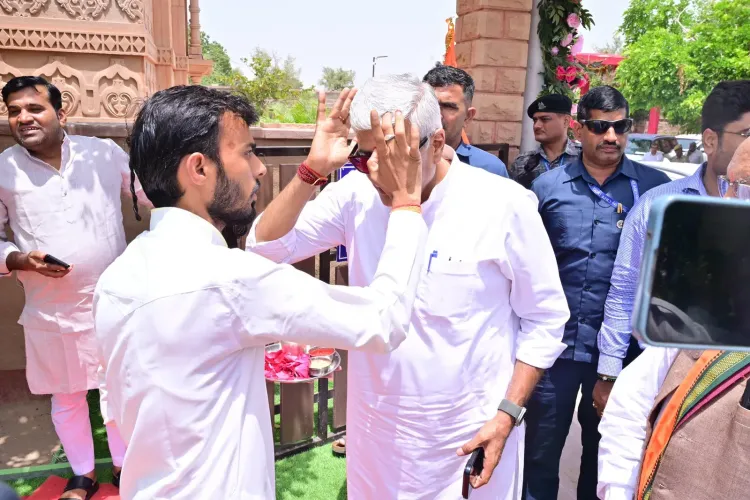
Shekhawat attends Ram Katha at Jodhpur gaushala
Synopsis
Union Culture and Tourism Minister Gajendra Singh Shekhawat attended a Shri Ram Katha recitation at Keshav Priya Gaushala in Jodhpur on 11 July 2026, receiving blessings from kathavachak Murlidhar Ji Maharaj at the Vyas Peeth.
Key Takeaways
Gajendra Singh Shekhawat , Union Minister of Culture and Tourism, attended a Shri Ram Katha event in Jodhpur on 11 July 2026 .
The event was held at Keshav Priya Gaushala , Bawdi Kelwa , a community gaushala in Jodhpur.
Revered kathavachak Murlidhar Ji Maharaj presided over the recitation from the Vyas Peeth .
The Ministry of Culture has supported Ramayana-related cultural programmes as part of intangible heritage promotion since 2014 .
The attendance aligns with the government's policy of linking religious heritage sites with domestic tourism circuits.
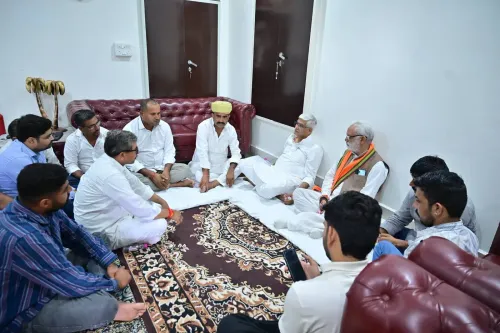
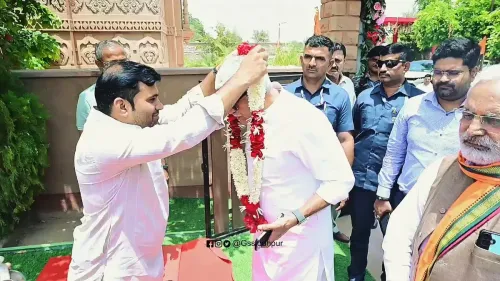
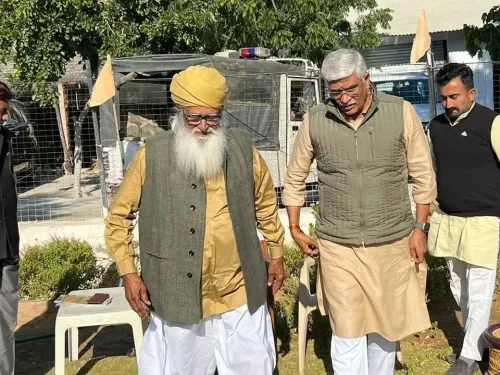
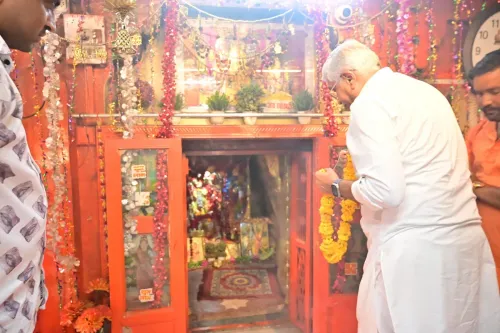
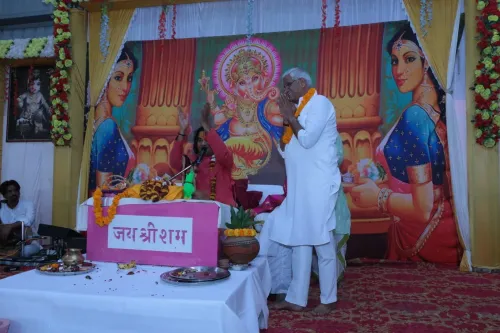
Union Culture and Tourism Minister Gajendra Singh Shekhawat attended a Shri Ram Katha recitation at Keshav Priya Gaushala, located at Bawdi Kelwa in Jodhpur, on Saturday, 11 July 2026. The minister participated in the devotional gathering and received the blessings of revered kathavachak Shri Murlidhar Ji Maharaj, who presided over the Vyas Peeth.
Context
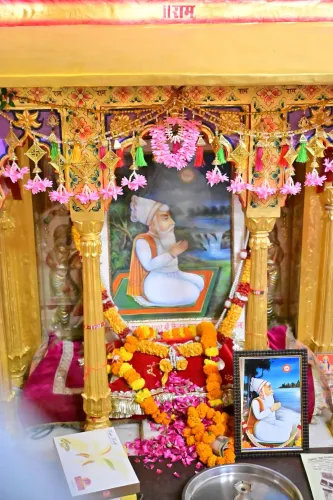
Shekhawat, who represents Jodhpur in the Lok Sabha, shared his attendance on social media, writing that he had the privilege of 'katha shravan ka punya prapt kiya' ('received the spiritual merit of listening to the katha'). He also noted the blessing received from Murlidhar Ji Maharaj, seated at the Vyas Peeth — the elevated seat traditionally reserved for the narrator of sacred texts.
The event was held at Keshav Priya Gaushala, a cow shelter that doubles as a venue for community religious activities. Gaushalas in Rajasthan frequently serve as focal points for cultural and spiritual gatherings rooted in Marwari tradition.
Policy Backdrop
The Ministry of Culture has, since 2014, expanded its support for Ramayana-related festivals and public katha programmes as part of a broader push to document and promote India's intangible cultural heritage. Shri Ram Katha recitations — public oral renderings of the Ramayana — are among the most widely attended devotional formats across north and west India.
The government has also sought to link religious sites and heritage circuits with domestic tourism promotion, a policy direction that Shekhawat has championed since assuming charge of the Culture and Tourism portfolio. Gaushalas, traditionally associated with cow protection and community service, are increasingly being discussed in policy circles as nodes within religious tourism itineraries.
Stakeholders and Impact
The gathering at Bawdi Kelwa drew local devotees from Jodhpur and the surrounding region, reflecting the deep roots of Ramayana recitation culture in Rajasthan's Marwari community. For cultural tourism operators, ministerial participation in such events signals continued government interest in positioning religious heritage as a driver of visitor footfall.
BJP ministers attending religious discourses in their constituencies is a well-established pattern that underscores the party's emphasis on Hindu cultural traditions. Shekhawat's presence as a senior Union minister lends additional visibility to local religious institutions such as Keshav Priya Gaushala.
What's Next
Rajasthan is expected to host a series of state-level cultural festivals through the second half of 2026, with the Ministry of Culture likely to align some programming around religious heritage themes. Any new schemes linking gaushalas or katha venues with formal religious tourism circuits would represent a concrete policy follow-through from the kind of constituency-level engagement Shekhawat demonstrated on 11 July. The minister's continued presence at grassroots religious events in Jodhpur also reinforces his political base ahead of future electoral cycles in Rajasthan.
Point of View
Such engagements carry a dual function: they project personal piety while lending institutional visibility to community venues like gaushalas that the ministry may eventually fold into formal heritage tourism circuits. The move also reflects the government's broader soft-power framing of Hindu religious traditions as living cultural assets deserving policy support. Watched over time, these appearances offer a barometer of how closely cultural policy and political mobilisation remain intertwined in Rajasthan.
NationPress
10 Oct 2026
Frequently Asked Questions
Where did Gajendra Singh Shekhawat attend Ram Katha on 11 July 2026?
Shekhawat attended the Shri Ram Katha recitation at Keshav Priya Gaushala, located at Bawdi Kelwa in Jodhpur, Rajasthan, on 11 July 2026.
Who is Murlidhar Ji Maharaj?
Murlidhar Ji Maharaj is the kathavachak (sacred narrator) who presided over the Shri Ram Katha at Keshav Priya Gaushala in Jodhpur, seated at the Vyas Peeth, the traditional seat of the reciter.
What is a Shri Ram Katha?
Shri Ram Katha is a public oral recitation of the Ramayana, one of Hinduism's foundational epics. It is among the most widely attended devotional formats in north and west India and is considered spiritually meritorious for both the narrator and the audience.
What is Keshav Priya Gaushala in Jodhpur?
Keshav Priya Gaushala is a cow shelter located at Bawdi Kelwa in Jodhpur that also serves as a venue for community religious and cultural events such as katha recitations.
How does the Ministry of Culture support Ram Katha programmes?
Since 2014, the Ministry of Culture has expanded support for Ramayana-related festivals and public katha programmes as part of India's intangible cultural heritage preservation policy, often linking such events to domestic religious tourism promotion.