Shekhawat pays tribute to Bhagwan Singh Rolasahabsar
Synopsis
Union Culture and Tourism Minister Gajendra Singh Shekhawat on June 5, 2026, paid tribute to Bhagwan Singh Ji Rolasahabsar, fourth Sangh Pramukh of Shri Kshatriya Yuvak Sangh, on his death anniversary, crediting his leadership with expanding the organisation's reach from Rajasthan to the national level.
Key Takeaways
Gajendra Singh Shekhawat , Union Culture and Tourism Minister and BJP MP from Jodhpur , offered tribute to Bhagwan Singh Ji Rolasahabsar on his death anniversary on June 5, 2026 .
Bhagwan Singh Ji Rolasahabsar was the fourth Sangh Pramukh of Shri Kshatriya Yuvak Sangh , a Rajasthan-origin community youth organisation.
The organisation's founding ideology of vyashti se samashti (individual to collective transformation) was established by founder Shri Tan Singh Ji .
Shekhawat identified himself as one of thousands of former volunteers shaped by Bhagwan Singh Ji 's leadership.
Under Bhagwan Singh Ji 's leadership, the organisation expanded from Rajasthan to national prominence.
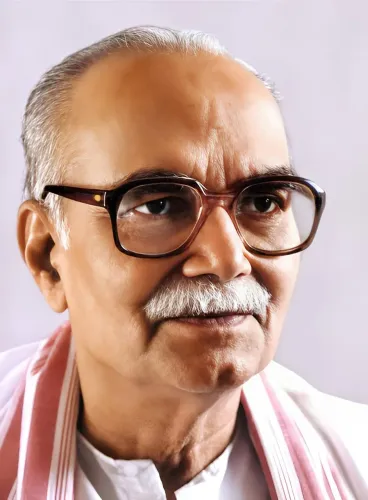
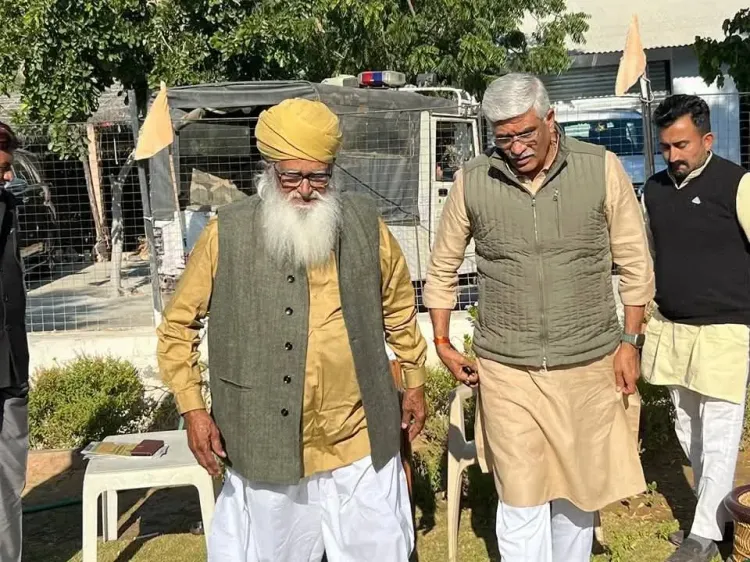
Union Culture and Tourism Minister Gajendra Singh Shekhawat on Friday, June 5, 2026, offered a heartfelt tribute to Shri Bhagwan Singh Ji Rolasahabsar, the fourth Sangh Pramukh of Shri Kshatriya Yuvak Sangh, on the occasion of his death anniversary, calling him an eternal source of inspiration for thousands of volunteers like himself.
Context
Posting in Hindi on X, Shekhawat wrote: 'श्री क्षत्रिय युवक संघ के चतुर्थ संघप्रमुख पूज्य भगवान सिंह जी रोलसाहबसर की पुण्यतिथि पर उन्हें भावुक हृदय से सादर श्रद्धांजलि' ['On the death anniversary of the revered fourth Sangh Pramukh of Shri Kshatriya Yuvak Sangh, Bhagwan Singh Ji Rolasahabsar, I offer heartfelt and respectful tribute']. The minister identified himself as one of 'thousands of volunteers' shaped by Bhagwan Singh Ji's leadership, underscoring a personal connection to the organisation that predates his political career.
Shekhawat also invoked the organisation's founding ideology, noting that its philosophy of 'vyashti se samashti' — the transformation from the individual to the collective — was originally established by founder Shri Tan Singh Ji and carried to national prominence in significant part through Bhagwan Singh Ji's leadership qualities.
Policy Backdrop
Shri Kshatriya Yuvak Sangh is a Rajasthan-origin community youth organisation centred on Kshatriya mobilisation. Founded by Shri Tan Singh Ji, the organisation built its ideological foundation on the principle of channelling individual commitment toward collective social upliftment. Under the stewardship of successive Sangh Pramukhs, including Bhagwan Singh Ji Rolasahabsar as the fourth head, the organisation expanded its reach from Rajasthan to the national level.
The organisation's trajectory reflects a broader pattern of community-based social movements originating in western India that later acquired pan-national visibility through sustained grassroots work and strong organisational leadership.
Stakeholders and Impact
BJP leaders from Rajasthan, including senior figures like Shekhawat, have consistently issued public tributes to heads of regional caste-community organisations. Such acknowledgements serve to reinforce the party's sustained engagement with Rajput and allied community networks that have historically played a role in social mobilisation across western India. For the Kshatriya community and the organisation's volunteer base, the tribute from a sitting Union Minister carries both cultural and political resonance.
The minister's self-identification as a former volunteer of Shri Kshatriya Yuvak Sangh adds a personal dimension to what is also an act of public outreach, reinforcing ties between elected leadership and grassroots community structures that helped shape political careers in the region.
What's Next
Community anniversaries and death observances of prominent figures within organisations like Shri Kshatriya Yuvak Sangh typically draw further tributes from Rajasthan BJP leaders in the months ahead, as the party maintains active engagement with its core community constituencies. The continued visibility of such tributes signals that the ideological and organisational legacies of regional community groups remain a live reference point in Rajasthan's political culture.
Point of View
The Union Minister frames his political identity as rooted in grassroots community service — a narrative with clear resonance among Rajput and Kshatriya networks. The invocation of the organisation's founding philosophy of vyashti-to-samashti also subtly aligns community ideology with the BJP's broader collective-national framing. Such tributes are low-cost, high-signal acts of political maintenance that keep community loyalties warm ahead of electoral cycles.
NationPress
20 Oct 2026
Frequently Asked Questions
Who is Bhagwan Singh Ji Rolasahabsar?
Bhagwan Singh Ji Rolasahabsar was the fourth Sangh Pramukh, or chief, of Shri Kshatriya Yuvak Sangh, a Rajasthan-based community youth organisation. He is credited with significantly expanding the organisation's reach from Rajasthan to the national level through his leadership qualities.
What is Shri Kshatriya Yuvak Sangh?
Shri Kshatriya Yuvak Sangh is a community youth organisation founded in Rajasthan by Shri Tan Singh Ji, built around the ideology of vyashti se samashti — channelling individual effort toward collective social upliftment. It focuses on Kshatriya community mobilisation and later attained national presence.
Why did Gajendra Singh Shekhawat pay tribute to Bhagwan Singh Rolasahabsar?
Shekhawat paid tribute on the occasion of Bhagwan Singh Ji Rolasahabsar's death anniversary. The minister also identified himself as a former volunteer of Shri Kshatriya Yuvak Sangh, reflecting a personal connection to the organisation beyond his political role.
What does vyashti se samashti mean?
Vyashti se samashti is a Sanskrit-derived phrase meaning the transformation from the individual to the collective. It is the founding ideological principle of Shri Kshatriya Yuvak Sangh, established by its founder Shri Tan Singh Ji.
What is Gajendra Singh Shekhawat's connection to Shri Kshatriya Yuvak Sangh?
Gajendra Singh Shekhawat has identified himself as one of thousands of former volunteers of Shri Kshatriya Yuvak Sangh who were inspired by the organisation's leadership, indicating he was associated with the group before his political career as a BJP MP from Jodhpur and Union Minister.