Shekhawat pays tribute to RSS chief Golwalkar on death anniversary
Synopsis
Union Culture and Tourism Minister Gajendra Singh Shekhawat paid tribute to RSS ideologue Madhav Sadashiv Golwalkar on his death anniversary on 5 June 2026, calling him a pioneer of cultural renaissance whose timeless ideas remain guiding principles for national consciousness.
Key Takeaways
Union Culture and Tourism Minister Gajendra Singh Shekhawat paid homage to M.S.
Golwalkar on his death anniversary on 5 June 2026 .
Golwalkar served as the second Sarsanghchalak of the RSS from 1940 to 1973 .
Shekhawat described Golwalkar as a 'pioneer of cultural renaissance, great nationalist and philosopher.' The tribute continues a pattern of senior BJP ministers publicly commemorating RSS leaders on key anniversaries since 2014 .
Golwalkar's writings, including 'Bunch of Thoughts' , remain foundational to the RSS's ideology of cultural nationalism.
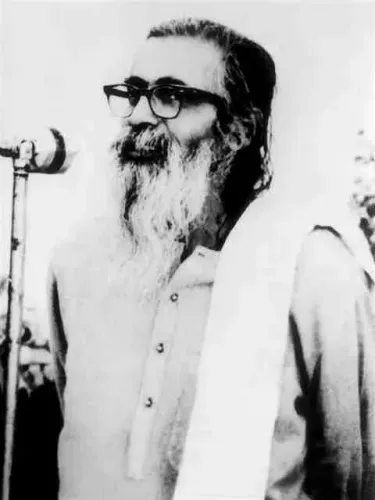
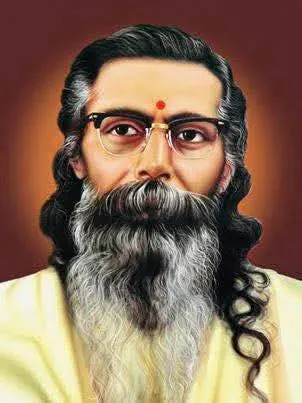
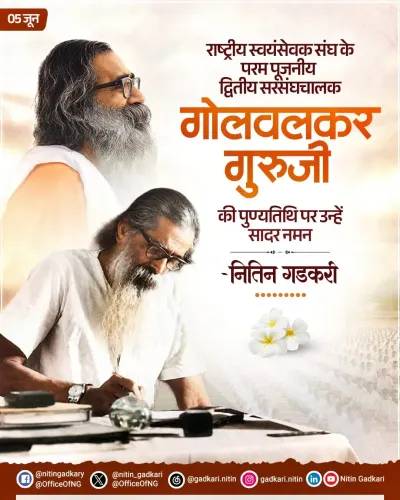
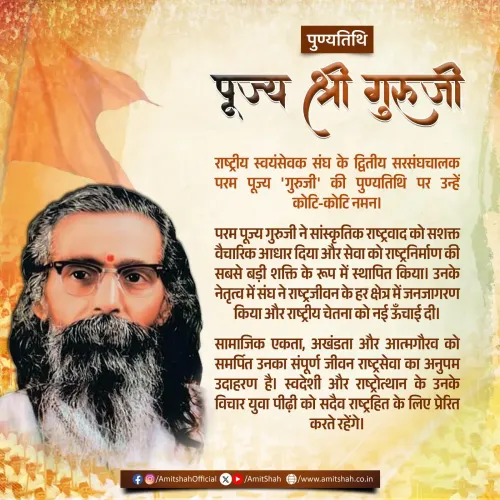
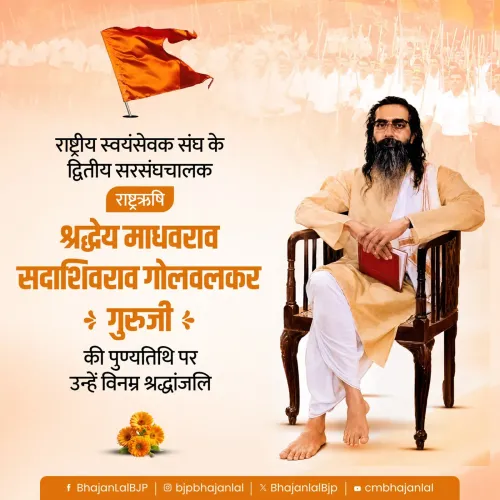
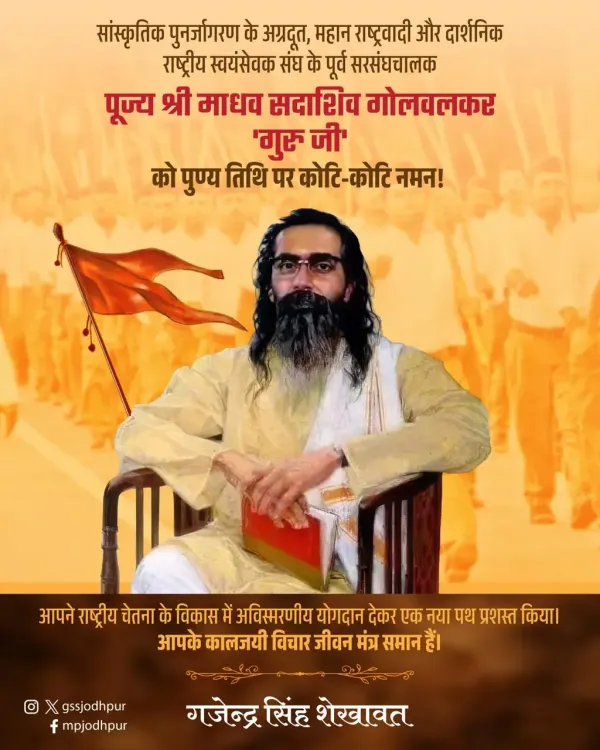
Union Culture and Tourism Minister Gajendra Singh Shekhawat on Friday, 5 June 2026, paid homage to Madhav Sadashiv Golwalkar, the second Sarsanghchalak of the Rashtriya Swayamsevak Sangh (RSS), on his death anniversary, describing him as a pioneer of cultural renaissance and a great nationalist philosopher.
Context
Posting on X in Hindi, Minister Shekhawat offered koti-koti naman (countless salutations) to Golwalkar, reverentially addressed as 'Guru Ji'. He wrote that Golwalkar 'charted a new path by making an unforgettable contribution to the development of national consciousness,' and described his ideas as kaljayi vichar jeevan mantra saman — 'timeless thoughts akin to life's guiding principles.'
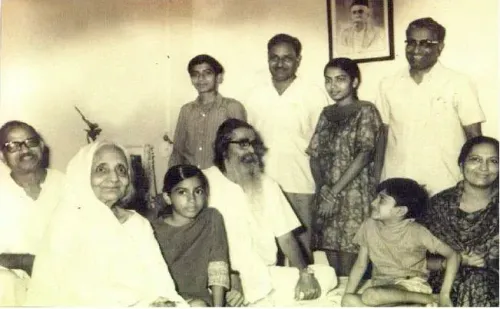
Golwalkar, who led the RSS from 1940 to 1973, is widely regarded as the organisation's foremost ideological architect. His writings, including 'Bunch of Thoughts', remain foundational texts within the Sangh Parivar and continue to shape the RSS's articulation of cultural nationalism.
Policy Backdrop
The RSS was founded in 1925 by Keshav Baliram Hedgewar as a volunteer-based Hindu nationalist organisation. Golwalkar succeeded Hedgewar and significantly expanded the RSS's ideological and organisational footprint over his three-decade tenure as Sarsanghchalak.
Since 2014, senior BJP ministers and leaders have consistently observed death and birth anniversaries of prominent RSS figures through public statements, reinforcing the ideological continuity between the ruling party and the Sangh. Such commemorations have become a visible feature of official political discourse on questions of national identity and cultural heritage.
Stakeholders and Impact
The tribute carries particular resonance for RSS cadres and affiliated cultural organisations across the country, for whom Golwalkar's legacy is a living reference point. As Union Minister of Culture and Tourism, Shekhawat's public acknowledgement of Golwalkar lends an institutional dimension to what is also a deeply ideological act of remembrance.
The statement reinforces the BJP government's broader cultural agenda, which has increasingly drawn on the vocabulary and historical memory of the Sangh Parivar to frame national identity and heritage policy.
What's Next
Observers will watch whether the Union Culture Ministry marks RSS-linked anniversaries through institutional events, exhibitions, or heritage initiatives in coming months. Any formal programming that draws on Golwalkar's writings or philosophy would signal a deeper integration of Sangh Parivar intellectual heritage into the government's cultural policy framework.
Point of View
A pattern that has grown more pronounced since 2014. By invoking Golwalkar's contribution to 'national consciousness,' the Culture Minister signals that the government's cultural agenda draws directly from RSS intellectual lineage. The statement is unlikely to be politically contentious within the ruling coalition, but it will draw scrutiny from opposition voices who argue that such tributes blur the line between party ideology and state cultural policy. Over time, the cumulative weight of such commemorations shapes public perception of whose historical figures are considered national icons.
NationPress
20 Oct 2026
Frequently Asked Questions
Who is Madhav Sadashiv Golwalkar?
Madhav Sadashiv Golwalkar, known as 'Guru Ji,' was the second Sarsanghchalak (chief) of the RSS, leading the organisation from 1940 to 1973. He is regarded as its foremost ideologue and authored influential texts including 'Bunch of Thoughts.'
Why did Gajendra Singh Shekhawat pay tribute to Golwalkar?
Minister Shekhawat paid tribute on Golwalkar's death anniversary on 5 June 2026, calling him a pioneer of cultural renaissance and a great nationalist whose ideas remain timeless guiding principles.
What is the RSS and what is its connection to the BJP?
The Rashtriya Swayamsevak Sangh (RSS) is a Hindu nationalist volunteer organisation founded in 1925. It maintains close ideological links with the BJP, and many senior BJP leaders, including ministers, are RSS-trained volunteers.
What does 'punyatithi' mean?
'Punyatithi' is a Sanskrit term for the death anniversary of a revered person, observed as a day of remembrance and tribute in Indian tradition.
Has the BJP government previously commemorated RSS leaders officially?
Yes. Since 2014, senior BJP ministers and leaders have regularly marked the birth and death anniversaries of prominent RSS figures through public statements, a practice that has become a consistent feature of official political discourse.