CM Dhami: Uttarakhand advances on development path amid new challenges
Synopsis
Chief Minister Pushkar Singh Dhami declared on 26 September 2026 that Uttarakhand is advancing on its development path amid changing needs and challenges, signalling continued focus on infrastructure, tourism and migration reversal in the Himalayan state.
Key Takeaways
CM Pushkar Singh Dhami stated on 26 September 2026 that Uttarakhand has moved forward on the development path despite evolving challenges.
The statement was posted by the Chief Minister's Office of Uttarakhand on X, framing development as a response to 'changing needs and challenges.' Uttarakhand , formed on 9 November 2000 , faces structural constraints including Himalayan terrain, natural disaster vulnerability and chronic out-migration.
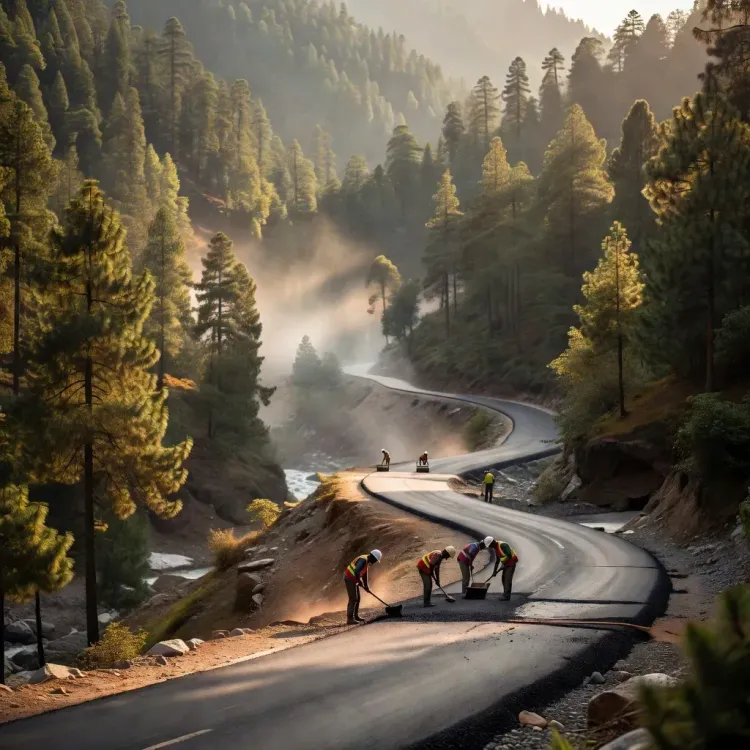
The state's core development priorities under successive governments have centred on rural migration reversal , Char Dham tourism expansion , and hill district road connectivity .
No specific schemes, statistics or budget figures were cited in the post; quantified progress would require state budget or annual development report data.
Balancing the twin demands of progress and ecological fragility has never been easy in India's hill states — and Chief Minister Pushkar Singh Dhami signalled on Saturday, 26 September 2026, that Uttarakhand is pressing forward regardless, calling the state's march on the development path a defining story of its time.
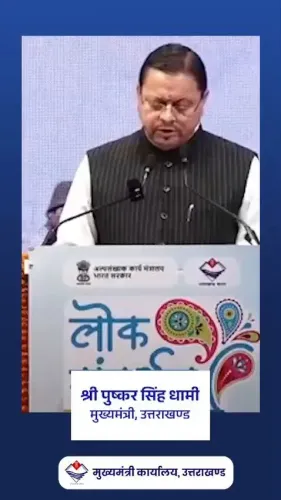
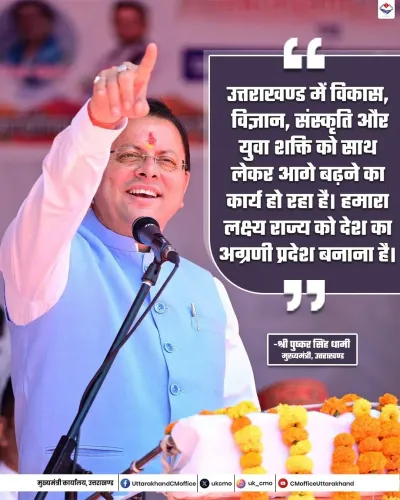
The Chief Minister's Office of Uttarakhand posted on X: 'Badalti zarooraton aur chunautiyon ke beech vikas path par badha Uttarakhand' — 'Uttarakhand has advanced on the path of development amid changing needs and challenges' — attributing the message directly to CM Dhami. The statement is brief, but its framing is deliberate: it acknowledges difficulty while asserting momentum.
The terrain that shapes every policy decision
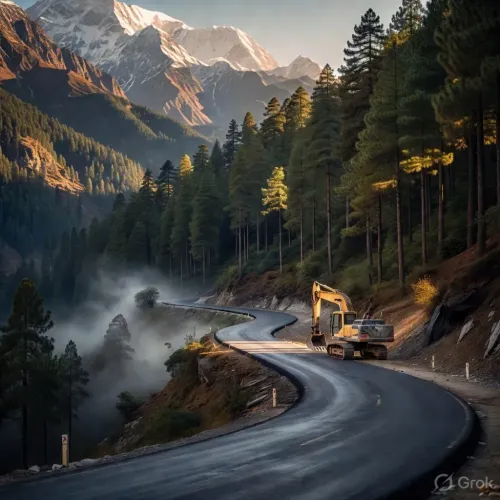
Uttarakhand, carved out as a separate state on 9 November 2000, has always governed against geography. The Himalayan terrain that draws millions of pilgrims and trekkers each year also isolates hill districts, inflates infrastructure costs, and leaves communities exposed to floods, landslides and seismic risk. Every development agenda here must answer the same hard question: how do you build in the mountains without breaking them?
Successive state governments have leaned on three interlocking themes: reversing rural-to-plains migration, expanding tourism infrastructure, and closing the road connectivity gap in remote districts. CM Dhami, who has led the BJP government in the state since 2021, has consistently cast these priorities as a unified development vision rather than isolated schemes.
A rhetorical pattern with real stakes
The language of 'advancing amid challenges' is a recurring register in Uttarakhand's political communication — but the stakes behind it are concrete. Out-migration from hill villages has hollowed out hundreds of gram panchayats over decades, shrinking the agricultural workforce and straining social infrastructure. Any genuine reversal of that trend would rank among the most consequential shifts in the state's post-formation history.
Tourism, meanwhile, has emerged as the state's most visible economic lever, with pilgrim circuits — Char Dham foremost among them — drawing record footfall in recent years. Managing that footfall without overwhelming fragile mountain ecosystems is precisely the kind of 'changing need and challenge' the CM's statement gestures toward.
What the post does not supply — specific schemes, budget figures, or a concrete milestone — is exactly what state development reports and annual budget allocations will need to deliver if the rhetoric is to be measured rather than merely heard.
Point of View
Deploying aspirational language ahead of what could be budget or policy announcement cycles. For Dhami, sustaining this narrative is politically vital: Uttarakhand's 2022 assembly mandate was narrow, and the government's credibility rests on visible progress on out-migration and disaster resilience. The absence of specifics in the post suggests it is scene-setting rather than a policy announcement — the real test will be whether forthcoming state budget allocations quantify the 'development path' being claimed.
NationPress
26 Sept 2026
Frequently Asked Questions
What did CM Pushkar Singh Dhami say about Uttarakhand's development?
On 26 September 2026, CM Dhami stated through the Chief Minister's Office that Uttarakhand has advanced on the development path amid changing needs and challenges, signalling continued focus on the state's growth priorities.
What are the main development challenges facing Uttarakhand?
Uttarakhand's primary development challenges include Himalayan terrain that raises infrastructure costs, chronic rural out-migration from hill districts, natural disaster vulnerability, and the need to balance tourism growth with ecological sustainability.
Who is Pushkar Singh Dhami?
Pushkar Singh Dhami is the Chief Minister of Uttarakhand, leading the BJP government in the state since 2021. He has consistently focused on infrastructure, tourism and migration reversal as core development themes.
What is Uttarakhand's main source of economic growth?
Tourism is Uttarakhand's most visible economic driver, with pilgrimage circuits like the Char Dham yatra drawing record visitor numbers. Road connectivity and investment in hill districts are also key growth priorities for the state.
When was Uttarakhand formed as a state?
Uttarakhand was carved out as a separate state on 9 November 2000, originally from the hill districts of Uttar Pradesh, and has since focused on development tailored to its Himalayan geography.