Why Does Tajikistan Consider India a Priority Partner Amid Increasing Bilateral Engagements?
Synopsis
The strengthening ties between Tajikistan and India mark a significant pivot in international relations. With mutual benefits across sectors like technology and security, both nations are set to unlock new opportunities for collaboration. Explore how these countries are shaping their futures together.
Key Takeaways
Strengthened bilateral ties between Tajikistan and India.
Cooperation spans across investment, trade, and technology .
Importance of cultural and historical connections .
Support for each other in international platforms .
Emerging fields of digitalization and AI are being explored.
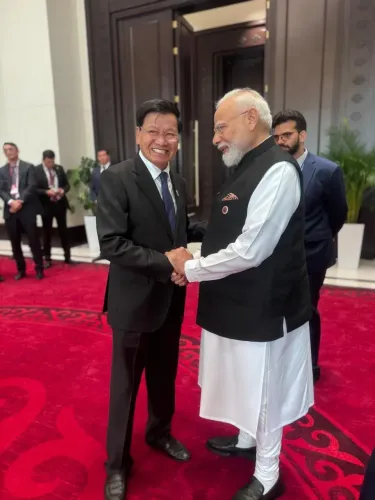
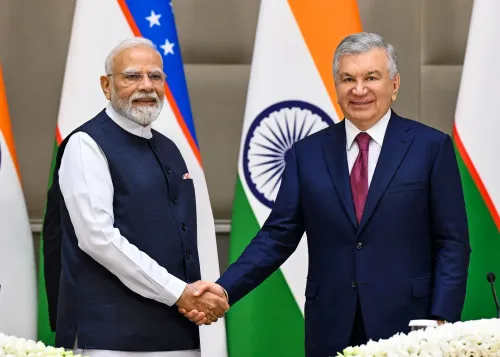
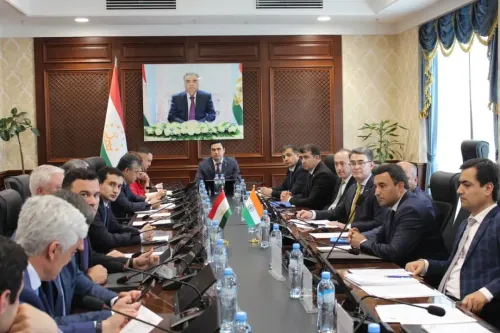
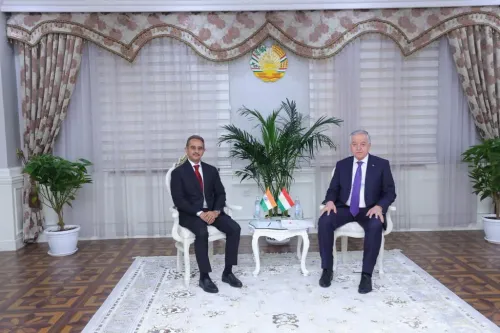
Dushanbe, Dec 12 (NationPress) The relationship between India and Tajikistan has shown remarkable growth, with a significant increase in bilateral engagements in recent years, driven by active diplomacy and frequent visits. Cooperation spans several key areas, such as trade and investment, human development, security, and advanced technology, according to a report released on Friday.
Tajikistan's President Emomali Rahmon labeled India as an “important partner” and expressed hope for further enhancing their diverse bilateral relations.
“Agreements have been signed between the two nations covering various sectors of mutual interest. Tajikistan has reaped significant benefits from its multi-faceted collaboration with India. The Memorandum of Understanding (MoU) has facilitated the exchange of technical expertise, equipment transfer for energy development and disaster management, and has provided access to satellite imagery, disaster monitoring, and scientific cooperation in space technology,” the Tajik media outlet Asia Plus reported.
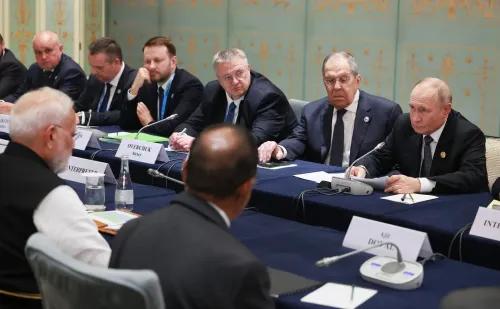
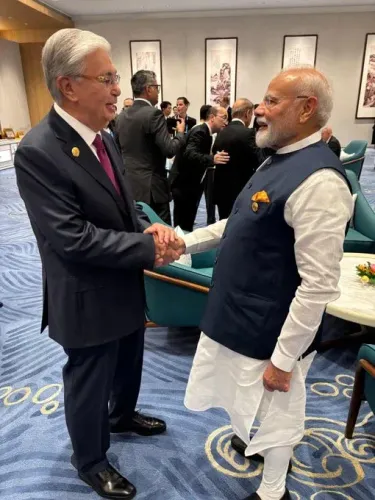
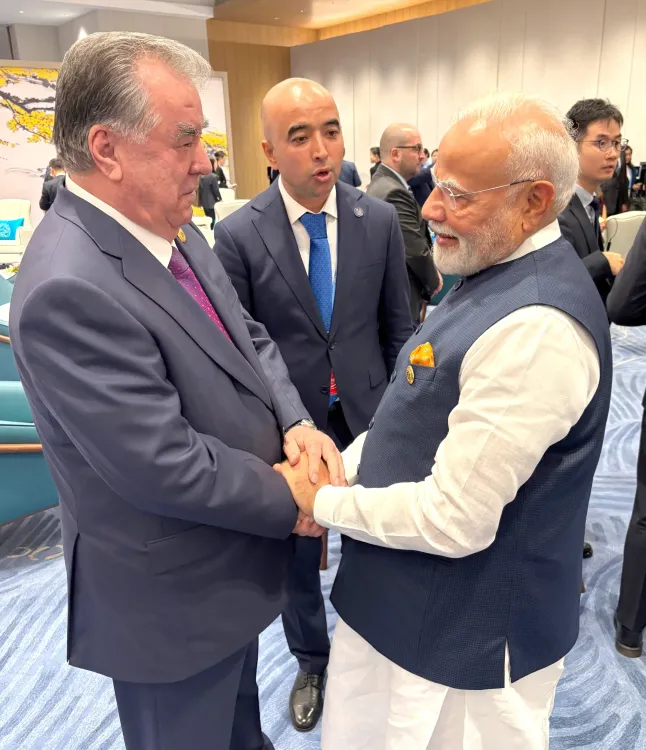
During the recent Shanghai Cooperation Organisation (SCO) summit in Tianjin, China in September, Prime Minister Narendra Modi and President Rahmon engaged in discussions covering a wide array of subjects, expressing satisfaction over the positive trajectory of their growing bilateral relations.
“Both nations have supported each other on international platforms. Tajikistan has endorsed India’s bid for permanent membership in the UNSC and as a member of the SCO, while India has backed Tajikistan's entry into the World Trade Organisation (WTO) and the United Nations Economic and Social Council,” the report highlighted.
Tajikistan’s Foreign Minister Sirojiddin Muhriddin stated that the two countries are enhancing cooperation across various domains including trade, investment, healthcare, education, culture, and industry, as well as in emerging areas like digitalisation, information technology, and artificial intelligence.
He underscored the importance of developing transport corridors, notably the Chabahar port and the North-South corridor, and advocated for the creation of joint logistics centers along with the streamlining of transit procedures.
According to Parviz Muhammadzoda, a foreign policy expert at Tajik National University, the bilateral relations are built on deep cultural and historical connections, with India holding a priority status in Tajikistan’s foreign policy.
“This direction is sustainable and aligns with the objectives of advancing both nations. Numerous untapped opportunities still exist for further cooperation between Tajikistan and India, particularly through the ‘Central Asia + India’ initiative,” Asia Plus quoted Muhammadzoda.
Point of View
It is crucial to recognize the strategic significance of Tajikistan's evolving relationship with India. This partnership, steeped in cultural and historical ties, is not only beneficial for both nations but also plays a vital role in regional stability and international diplomacy. As these two countries continue to deepen their cooperation, they exemplify the importance of strong bilateral ties in today’s global landscape.
NationPress
7 Oct 2026
Frequently Asked Questions
What sectors are involved in the Tajikistan-India cooperation?
Tajikistan and India collaborate in various sectors, including investment, trade, human development, security, and advanced technology.
What recent agreements have been signed between Tajikistan and India?
Agreements include a Memorandum of Understanding for technical knowledge exchange, equipment transfer in energy, and disaster management.
How do Tajikistan and India support each other internationally?
Tajikistan supports India's bid for UNSC permanent membership and SCO membership, while India backs Tajikistan's accession to WTO and UN Economic and Social Council.
What emerging fields are Tajikistan and India focusing on?
Both countries are deepening cooperation in digitalization, information technology, and artificial intelligence.
Why is India a priority partner for Tajikistan?
India's support in various international platforms and the historical ties between the nations make India a priority partner for Tajikistan.