When Will Trade Routes with Pakistan Reopen According to the Taliban?
Synopsis
The Taliban has reiterated its position on reopening trade routes with Pakistan, emphasizing the need for strong assurances from Islamabad. This comes amidst accusations of illegal trade blockades and ongoing political tensions. Will Afghanistan's trade with Pakistan resume soon? Explore the latest updates and insights.
Key Takeaways
Trade routes between Afghanistan and Pakistan are currently closed.
The Taliban demands strong assurances from Islamabad for reopening.
Pakistan is accused of using trade blockades as political leverage.
Afghanistan is exploring alternative trade routes amidst the closure.
Political tensions continue to impact regional trade .
Kabul, Dec 4 (NationPress) The Taliban administration in Afghanistan reiterated on Thursday that the trade routes with Pakistan will only reopen following robust guarantees from the Islamabad government.
In a statement posted on X, Taliban spokesperson Zabihullah Mujahid accused Pakistan of illegally obstructing trade and transit routes as a form of political and economic leverage, causing losses for citizens of both nations.
"The Islamic Emirate of Afghanistan emphasizes its stance on reopening trade routes with Pakistan. These routes have been unjustly closed by Pakistan as a tactic of political and economic coercion, resulting in significant losses for both parties," Mujahid stated on X.
"Given that Afghanistan sources its needs from various other nations, the Islamic Emirate has decided that the trade routes with Pakistan will be restored only when strong assurances are provided by the Pakistani authorities; ensuring that these routes do not face future closures due to political coercion, unlawful usage, or pressure on the populace, thereby safeguarding the rights of traders and citizens from both countries," he added.
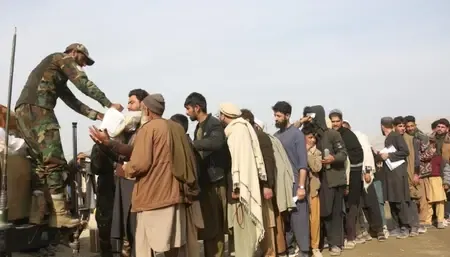
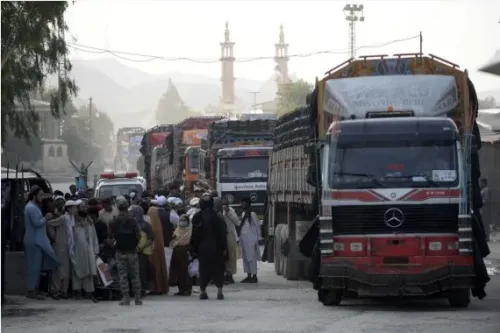
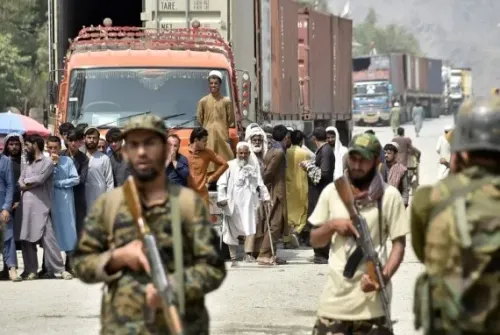
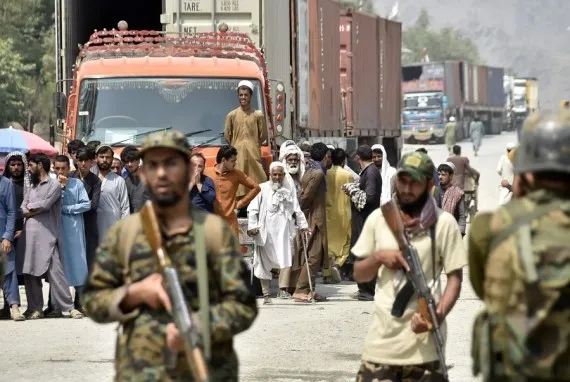
This statement from the Taliban spokesperson followed Pakistan's announcement of reopening the Torkham and Chaman border crossings with Afghanistan to facilitate United Nations humanitarian aid, according to local media.
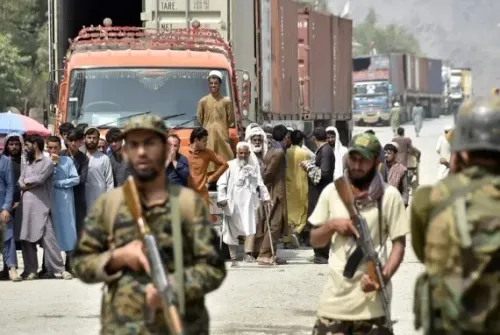
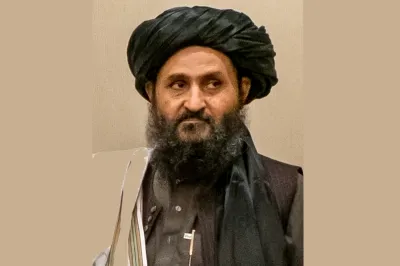
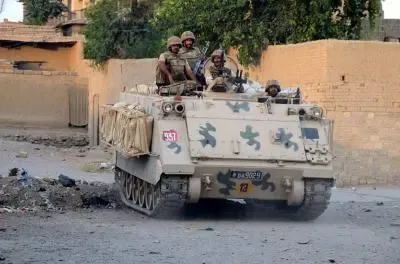
In October, Pakistan had halted all trade routes with Afghanistan after its forces conducted operations near the Durand Line. Afghan forces also retaliated with strikes in response. Following the trade route closure, Afghanistan's Deputy Prime Minister for Economic Affairs, Mullah Abdul Ghani Baradar Akhund, urged industrialists and traders to explore alternative routes beyond Pakistan, as reported by Pajhwok Afghan News.
On Wednesday, Afghanistan's Foreign Minister Amir Khan Muttaqi accused Pakistan of attempting to enforce "mysterious projects" on Kabul and leveraging economic pressure, border closures, and political tactics to destabilize the Taliban regime, as per local reports.
During a gathering in Kabul, Muttaqi stated that Pakistan anticipated that the Afghan populace would react negatively and pressure the Taliban administration following the closure of trade routes. However, he claimed that the border shutdown did not lead to shortages or unrest in Afghanistan, as essential goods were supplied by other regional partners, according to Khaama Press.
He remarked that Pakistan has longstanding disputes with nearly all its neighbors and is exerting pressure on Afghanistan with what he labeled as "unrealistic and unacceptable" security demands.
Muttaqi emphasized that the Taliban has already taken steps to alleviate the concerns of the Pakistani authorities, including relocating Waziristani tribal families away from the border and increasing military presence over the past four years.
He criticized Pakistan for expecting the Taliban to "deliver everything" while Islamabad struggles with its internal security challenges. He also condemned Pakistan's political landscape, highlighting the division of decision-making between civilian leaders and military, which complicates negotiations.
Point of View
It's crucial to remain unbiased while covering the complexities of Afghan-Pakistani relations. The Taliban's demands for assurances reflect ongoing tensions, but it's essential to consider the broader geopolitical context. Both nations must navigate their challenges with a focus on mutual economic benefit to foster stability in the region.
NationPress
17 Sept 2026
Frequently Asked Questions
Why are the trade routes with Pakistan closed?
The trade routes are closed due to allegations from the Taliban that Pakistan is using political and economic pressure tactics, causing significant losses to both nations.
What conditions must Pakistan meet for trade routes to reopen?
The Taliban stated that the trade routes will reopen only after receiving strong assurances from the Pakistani government to prevent future closures due to political pressures.
What impact does the closure of trade routes have?
The closure adversely affects the economies of both Afghanistan and Pakistan, leading to losses for traders and essential goods shortages.
How has Afghanistan responded to the closure?
Afghanistan's Deputy Prime Minister urged traders to seek alternative routes and has emphasized the country's ability to source goods from other nations.
What are the broader implications of this situation?
This situation reflects ongoing political tensions and the need for both countries to address their bilateral relations to ensure economic stability.