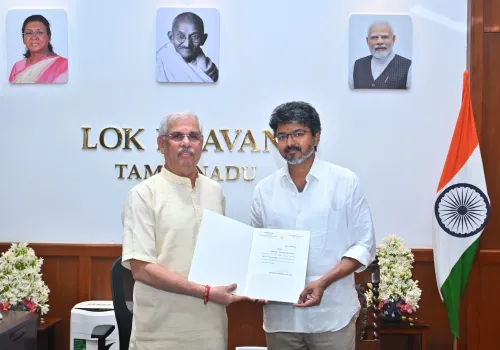
Tamil Nadu govt formation crisis: Governor Arlekar cancels Kerala visit, stays in Chennai
Synopsis
Tamil Nadu is in political limbo — the largest party, TVK led by C. Joseph Vijay, can't form a government alone, and the Governor is refusing to act without hard proof of majority support. With Governor Arlekar cancelling his Kerala trip to stay in Chennai, the constitutional machinery is on high alert as back-channel deals race against a growing power vacuum.
Key Takeaways
Governor-in-charge Rajendra Vishwanath Arlekar cancelled his Kerala visit on 7 May to remain at Lok Bhavan, Chennai amid the political deadlock.
Tamilaga Vettri Kazhagam (TVK) , led by C.
Joseph Vijay , is the single-largest party in the 234-member Assembly but is reportedly short of the 118-seat majority mark.
The Governor is consulting legal experts and insists any claimant must demonstrate clear numerical strength before being invited to form the government.
Multiple parties are engaged in back-channel negotiations, though no formal coalition breakthrough has been reported.
Lok Bhavan has signalled it will not extend a formal invitation without concrete proof of legislative majority support.
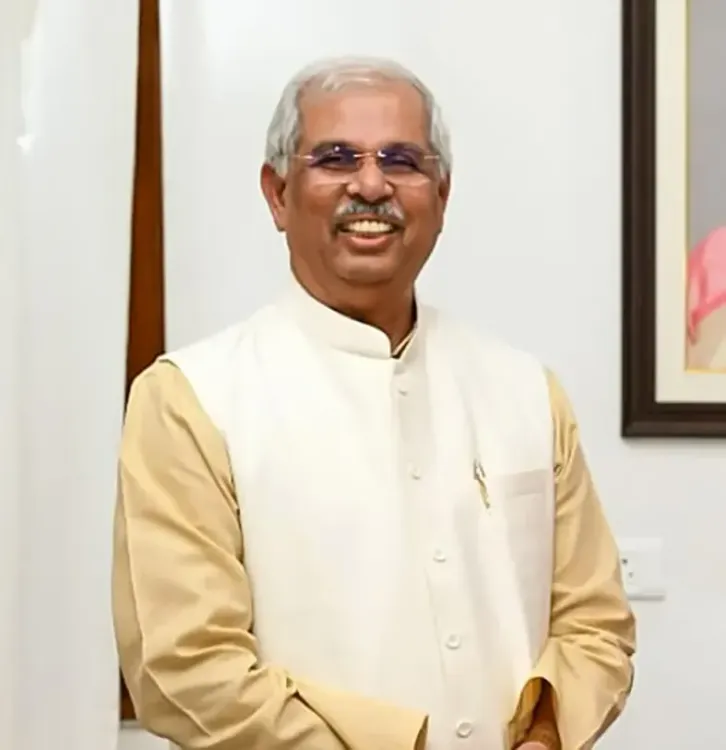
Governor-in-charge Rajendra Vishwanath Arlekar has cancelled his scheduled visit to Kerala and will remain stationed at Lok Bhavan in Chennai as Tamil Nadu remains without a clear ruling formation following the Assembly election results. The decision, reported on 7 May, underscores the gravity of the political deadlock gripping the state as multi-party negotiations intensify across party lines.
Why the Governor Is Staying Put
According to sources close to Lok Bhavan, the Governor has been closely examining the constitutional and legal implications of the evolving political situation, holding consultations with legal experts before taking any further decision. The constitutional head of the state is understood to be keen on ensuring that every procedural step is strictly followed to prevent political instability or controversy.
The position being maintained at Lok Bhavan is clear: any political formation seeking to form the government must first demonstrate concrete numerical strength and produce adequate letters of support from legislators before being formally invited to take the oath of office.
TVK's Claim and the Numbers Problem
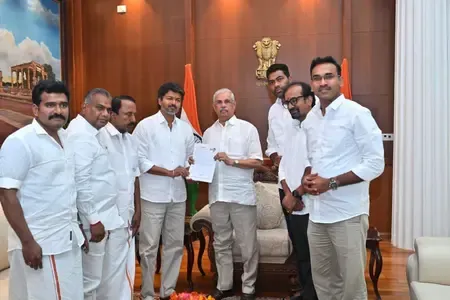
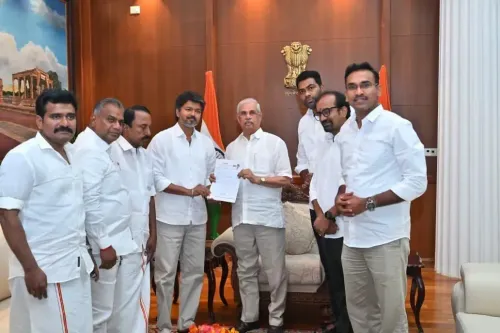
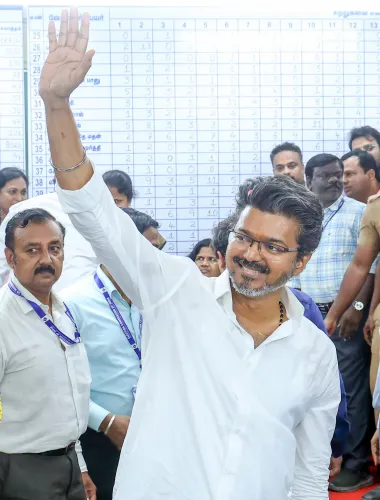
The single-largest party in the 234-member Tamil Nadu Legislative Assembly, Tamilaga Vettri Kazhagam (TVK) — led by actor-turned-politician C. Joseph Vijay — has already staked a claim to form the government after emerging as the biggest force in the House. However, the party is still reportedly short of the majority mark required to assume office, which stands at 118 seats.
This is the central challenge at the heart of the current deadlock. Without a clear majority, TVK cannot be invited to govern — and the Governor, according to sources, is not inclined to extend any invitation without concrete proof of majority support.
Back-Channel Negotiations and Alliance Speculation
Political activity has intensified across Chennai, with multiple parties engaged in back-channel discussions aimed at securing the numbers required to form the next government. The fast-changing developments have triggered widespread speculation over possible alliance realignments, though no formal breakthrough has emerged so far.
Notably, this kind of post-election political flux — where the largest party falls short of a majority and scrambles to build coalitions — has precedent in Tamil Nadu's political history, though the state has more often seen decisive mandates. The current situation places the Governor at the centre of a constitutionally sensitive process.
What Happens Next
With the political deadlock continuing, attention remains focused on whether TVK or any rival political bloc can swiftly mobilise the required legislative support and present a viable, verifiable claim to the Governor. Sources indicate that Lok Bhavan will not be rushed into any decision, and the bar for demonstrating majority support is being set deliberately high to ensure governmental stability from day one.
The coming days are likely to be decisive — either a coalition crystallises around Vijay's party, or a rival bloc presents a stronger numerical case, forcing a fresh round of political calculations across the state.
Point of View
Arlekar is, in effect, pressing pause on a political class that may be tempted to rush to Raj Bhavan with inflated claims. The real question is whether TVK's C. Joseph Vijay can convert electoral momentum into coalition arithmetic fast enough, or whether a rival bloc stitches together a surprise majority. Tamil Nadu has rarely seen this kind of post-election uncertainty, and how the Governor navigates the next 72 hours will set a precedent for how constitutional heads handle hung assembly situations in southern India.
NationPress
22 Sept 2026
Frequently Asked Questions
Why did Governor Arlekar cancel his Kerala visit?
Governor-in-charge Rajendra Vishwanath Arlekar cancelled his scheduled Kerala visit to remain at Lok Bhavan in Chennai amid continuing uncertainty over government formation in Tamil Nadu following the Assembly election results. He is reportedly consulting legal experts and monitoring the fast-evolving political situation.
Which party has staked a claim to form the Tamil Nadu government?
Tamilaga Vettri Kazhagam (TVK), led by actor-turned-politician C. Joseph Vijay, has staked a claim to form the government as the single-largest party in the 234-member Tamil Nadu Assembly. However, the party is reportedly still short of the 118-seat majority required to assume office.
What conditions has the Governor set for inviting a party to form the government?
According to sources close to Lok Bhavan, the Governor has made clear that any political formation must demonstrate concrete numerical strength and produce adequate letters of support from legislators before being formally invited to take the oath of office.
What is the current status of coalition talks in Tamil Nadu?
Multiple parties are engaged in back-channel discussions and negotiations to secure the numbers needed to form the next government, but no formal coalition breakthrough has been reported as of 7 May. Speculation over alliance realignments continues to grow.
What happens if no party proves a majority in Tamil Nadu?
If no party or alliance is able to demonstrate a clear majority to the Governor's satisfaction, the state could face prolonged President's Rule or further rounds of political negotiation. The Governor is understood to be keen on ensuring governmental stability before extending any formal invitation.