Parliament is Opposition's biggest asset, says Shashi Tharoor
Synopsis
Shashi Tharoor's message to his own side is pointed: stop ceding Parliament to the government. His argument — that even losing debates build a record courts can use — reframes parliamentary participation not as symbolic resistance but as a long-term legal and democratic investment.
Key Takeaways
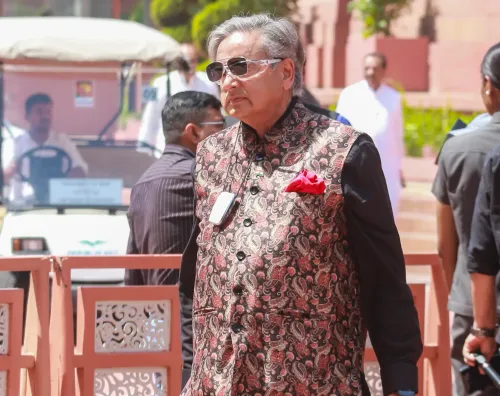
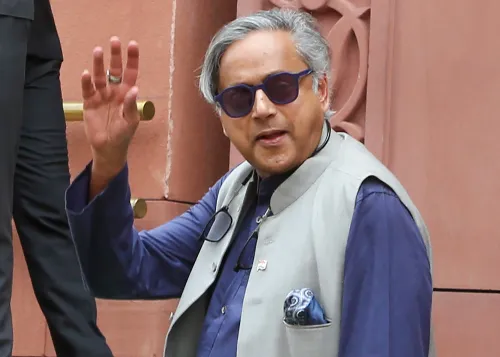
Congress MP Shashi Tharoor called Parliament the Opposition's 'major asset' in remarks outside Parliament on Monday .
Tharoor has advocated fuller use of Parliament for over 12 years , citing Zero Hour and Rule 377 as key tools.
He warned that bills passed without debate deprive courts of legislative intent, citing a judicial observation on the issue.
Tharoor flagged a 'lack of dialogue' between the government and Opposition as a key driver of parliamentary disruptions.
He called for a revival of the tradition of Parliamentary Affairs Ministers engaging regularly with Opposition leaders.
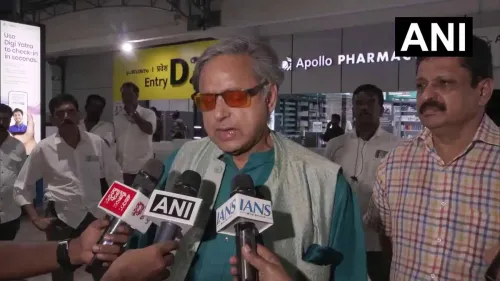
Congress MP Shashi Tharoor on Monday called on the Opposition to make fuller use of Parliament as a platform for debate, arguing that the institution remains the most powerful tool available to parties out of power — even when the ruling government commands a comfortable majority in the House.
Tharoor's Core Argument
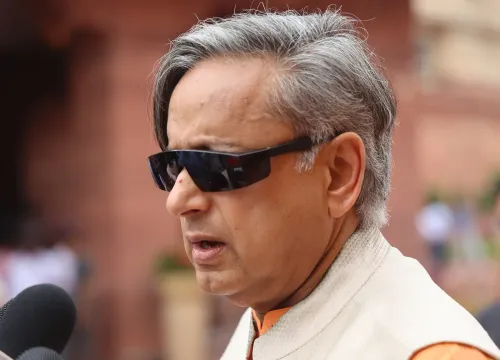
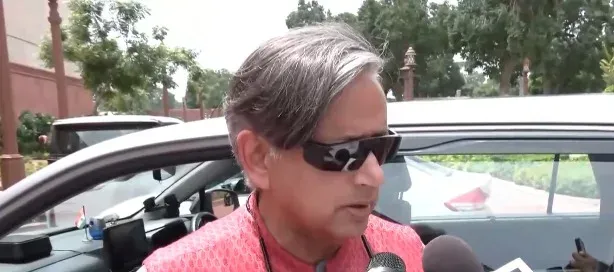
Speaking to reporters outside Parliament in New Delhi, Tharoor said he has consistently held this view for over 12 years. 'I am disappointed. As many of you know, for several years now at least for the last 12 years, I have consistently maintained that we need to make better use of Parliament. It is a major asset for the Opposition. Parliament gives us the opportunity to question ministers, raise issues concerning our constituencies and the nation through mechanisms such as Zero Hour and Rule 377, and hold the government accountable,' he said.
The Case for Debate, Even in Defeat
Tharoor raised particular concern over the passage of legislation without adequate floor discussion. He cited a judicial observation to underscore the point: 'How can I properly consider the arguments when the Bill was passed without any debate in Parliament?' He argued that even when the Opposition knows a Bill will pass, placing concerns on parliamentary record has lasting value — including for courts. 'Judges often look at legislative debates to better understand the issues and intentions behind a law,' he said.
Decline in Government-Opposition Dialogue
The Congress MP also flagged what he described as a deterioration in meaningful engagement between the treasury benches and the Opposition. 'What we are witnessing today is a lack of dialogue between the government and the Opposition, and that has contributed to the current situation. It is the government's responsibility to ensure that Parliament functions effectively,' he said. Tharoor noted that Parliamentary Affairs Ministers have traditionally engaged Opposition leaders regularly to prevent disruptions — a practice he said is no longer sufficiently evident.
A Career Perspective
'I have spent most of my political career in the Opposition and have been on the ruling side only once. Traditionally, Parliamentary Affairs Ministers would regularly engage with Opposition leaders to resolve differences and prevent disruptions. I do not see enough of that spirit of give-and-take today, and that is not healthy for Parliament,' Tharoor said. He stressed that greater communication between both sides is essential to avoid disruptions and improve the overall functioning of the legislature.
What This Signals
Tharoor's remarks come amid recurring concerns about the quality of legislative scrutiny in India, with critics arguing that several significant bills have been passed with minimal debate in recent sessions. His call for the Opposition to engage more robustly — rather than resort to walkouts or disruptions — reflects a broader debate within the Indian National Congress (INC) about its parliamentary strategy. How the party responds in the remaining sessions of the current Parliament term will be closely watched.
Point of View
Less visible work of clause-by-clause debate — especially heading into a politically charged parliamentary calendar.
NationPress
17 Sept 2026
Frequently Asked Questions
What did Shashi Tharoor say about Parliament and the Opposition?
Tharoor said Parliament is the Opposition's 'major asset' and urged his side to make fuller use of it — through mechanisms like Zero Hour and Rule 377 — rather than cede the floor to the government. He made these remarks to reporters outside Parliament in New Delhi on Monday.
Why does Tharoor argue the Opposition should debate bills even when it knows it will lose?
Tharoor argued that parliamentary debates become part of the official legislative record, which courts — including the Supreme Court — refer to when interpreting laws. He cited a judge's observation questioning how arguments could be properly considered when a bill was passed without any debate.
What concern did Tharoor raise about government-Opposition dialogue?
He said there is a visible 'lack of dialogue' between the government and the Opposition today, contrasting it with the tradition of Parliamentary Affairs Ministers regularly engaging Opposition leaders to resolve differences and prevent disruptions.
Which parliamentary tools did Tharoor highlight for the Opposition?
Tharoor specifically mentioned Zero Hour and Rule 377 as mechanisms that allow MPs to question ministers and raise issues concerning their constituencies and the nation at large.
What is the broader context of Tharoor's remarks?
His comments come amid recurring criticism that several significant bills have been passed in recent parliamentary sessions with minimal debate. The remarks reflect an ongoing internal discussion within the Congress about whether protest and walkouts serve the party's long-term democratic interests better than sustained floor engagement.