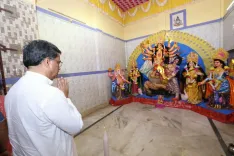
Tamil Nadu bans camera phones in 52 major temples from 1 September

Synopsis
Tamil Nadu has moved beyond signage and advisories — it is now enforcing a hard ban on camera phones at 52 major temples, with paid lockers, staff accountability rules, and a frank admission that festival-day crowds of 50,000-plus could overwhelm the system. The first phase is a test of whether policy intent can survive the reality of mass pilgrimage.
Key Takeaways
The Tamil Nadu government banned camera-enabled mobile phones in 52 major temples effective 1 September .
HR&CE Minister Ramesh confirmed basic phones without cameras are still permitted inside temple premises.
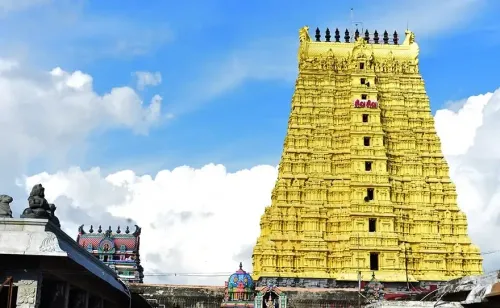
Covered temples include shrines at Tiruchendur , Palani , Srirangam , Rameswaram , Mylapore Kapaleeswarar , and Kancheepuram , among others.
Storage facilities capable of holding up to 20,000 phones have been set up, but may be strained when crowds exceed 50,000 on festival days.
Enforcement officials who permit photography or social media uploads inside temples face strict disciplinary action.
The current rollout is described as Phase 1 , with further expansion expected after a compliance review.
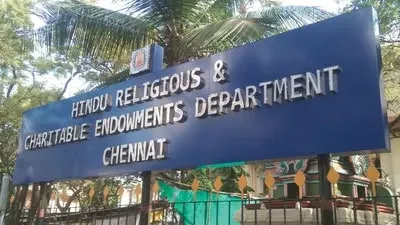
The Tamil Nadu government has barred devotees from carrying camera-enabled mobile phones inside 52 major temples across the state, effective 1 September, in a bid to protect the sanctity and spiritual atmosphere of these shrines. The directive, issued by the Hindu Religious and Charitable Endowments (HR&CE) department, covers some of the most visited temples in the state and marks the first phase of a broader rollout.
What the Ban Covers
HR&CE Minister Ramesh clarified that the restriction applies exclusively to mobile phones equipped with cameras. Devotees carrying basic handsets without camera functionality may enter temple premises without any restriction. The move follows persistent complaints that visitors were capturing photographs, videos, selfies, and social media reels inside temple precincts despite pre-existing prohibitions on mobile phone use.
Officials stated that such activities had been disrupting the spiritual environment and, in certain instances, violating the privacy of fellow devotees.
Which Temples Are Affected
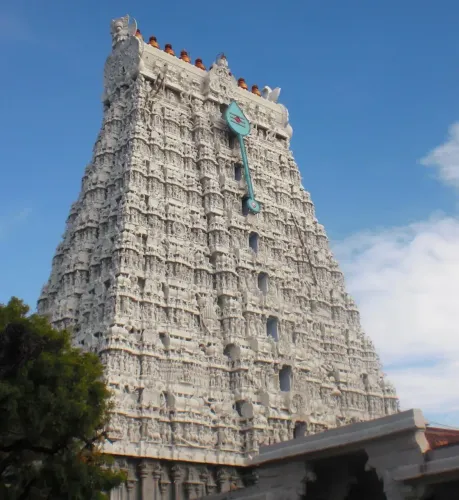
The first phase covers prominent shrines including those at Tiruchendur, Palani, Tirupparankundram, Tiruvannamalai, Samayapuram, Srirangam, Rameswaram, and Suchindram. Also included are the Nellaiappar temple, Madurai Alagar temple, Coimbatore Koniamman temple, and Salem Fort Mariamman temple.
In Chennai and surrounding areas, the ban applies to the Vadapalani Murugan, Mylapore Kapaleeswarar, Triplicane Parthasarathy, Tiruvottiyur Vadivudai Amman, Thiruverkadu Devi Karumariamman, Kundrathur Murugan, and Mangadu Kamakshi Amman temples. Temples in Kancheepuram — including the Kamakshi Amman, Varadaraja Perumal, and Ekambareswarar shrines — along with the Veeraraghava Perumal temple in Tiruvallur and the Murugan temple at Tiruttani, are also covered.
Infrastructure and Practical Arrangements
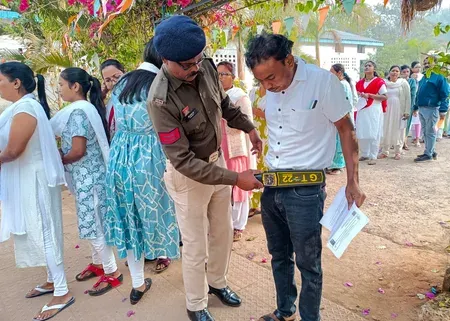
Paid mobile phone deposit counters and secure lockers have been established at all covered temples to allow devotees to leave their devices safely before entering. Major temples have been equipped with storage facilities capable of holding up to 20,000 phones. However, officials acknowledged that these arrangements could face strain during festivals and auspicious occasions, when footfall at some temples can exceed 50,000 devotees in a single day.
Visitors have accordingly been advised to leave camera phones at home, in hotel rooms, or inside their vehicles wherever possible. Awareness campaigns have been conducted at temple entrances to minimise inconvenience and inform devotees of the new rules ahead of implementation.
Enforcement and Accountability
The HR&CE department has warned that enforcement officials who allow devotees to photograph or record video inside temples — or permit such content to be uploaded on websites or social media platforms — will face strict disciplinary action. This signals a shift from passive advisories to active accountability for on-ground staff.
With the first phase now in force, the department is expected to assess compliance before extending the ban to additional temples in subsequent phases.
Point of View
But its durability will be tested at the first major festival. Storage for 20,000 phones sounds substantial until 50,000 pilgrims arrive at Tiruchendur on a peak day — a scenario officials themselves flagged. The accountability clause for enforcement staff is the most consequential element: past temple-entry rules in India have routinely collapsed at the implementation layer. Whether HR&CE follows through on disciplinary action against errant officials, rather than just against devotees, will determine if this ban has teeth or is merely another well-intentioned circular.
NationPress
16 Oct 2026
Frequently Asked Questions
Which temples are covered under Tamil Nadu's camera phone ban?
The ban covers 52 major temples across Tamil Nadu in its first phase, including shrines at Tiruchendur, Palani, Tirupparankundram, Tiruvannamalai, Samayapuram, Srirangam, Rameswaram, Suchindram, Mylapore Kapaleeswarar, and several temples in Kancheepuram, Chennai, Tiruvallur, and Coimbatore, among others.
Are all mobile phones banned inside Tamil Nadu temples?
No. Only camera-enabled mobile phones are banned. Devotees carrying basic handsets without camera functionality are permitted to enter temple premises without restriction, according to HR&CE Minister Ramesh.
What happens to phones that cannot be carried inside?
Paid deposit counters and secure lockers have been set up at the covered temples. Major temples have storage capacity for up to 20,000 phones, though officials have advised devotees to leave devices at home, in hotels, or in vehicles during high-footfall occasions.
What action will be taken against those who violate the ban?
The HR&CE department has warned that enforcement officials who permit photography or video recording inside temples — or allow such content to be uploaded online — will face strict disciplinary action. Devotees found violating the rules are also subject to action under existing temple regulations.
Why has Tamil Nadu introduced this ban now?
The ban follows persistent complaints that visitors were taking photographs, selfies, videos, and social media reels inside temples despite earlier restrictions, which officials said was disturbing the spiritual environment and, in some cases, violating the privacy of other devotees.