Tamil Nadu temples ease mobile phone ban, photography still prohibited

Synopsis
Tamil Nadu's HR&CE Department has quietly reversed course on a blanket phone ban at major temples — devotees can now carry phones inside, but must keep them switched off. Photography remains banned and fines will be levied for violations. The climbdown follows practical chaos at deposit counters and pushback from worshippers who cited emergency access concerns.
Key Takeaways
The HR&CE Department has revised its 1 September mobile phone ban at major Tamil Nadu temples, allowing phones inside if kept switched off .
Photography and video recording inside temple premises remain strictly prohibited ; violations attract a fine.
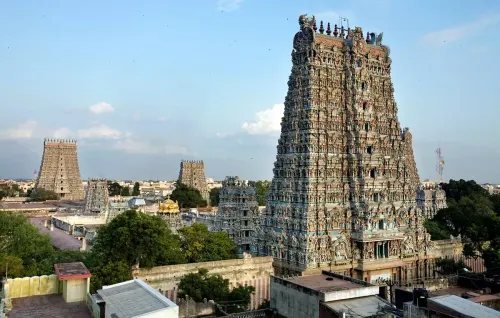
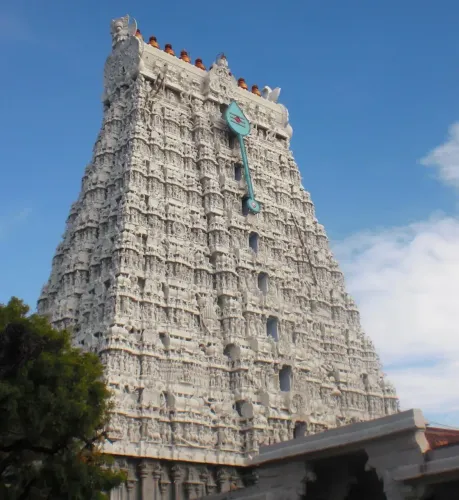
The revised rules apply to 5 temples in Tiruchy district , including Sri Ranganathaswamy Temple , Samayapuram Mariamman Temple , and Arulmigu Thayumanavar Swamy Temple at Rockfort.
Phone deposit facilities remain available; a charge of ₹5 per phone applies at Woraiyur and Thiruvanaikoil temples, while the service is free at the other three.
The original ban was eased after deposit counters caused delays during busy periods and devotees raised emergency-contact concerns.
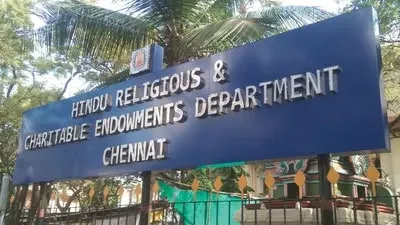
Devotees visiting major temples in Tamil Nadu can now carry their mobile phones inside temple premises, provided the devices remain switched off at all times, after the Hindu Religious and Charitable Endowments (HR&CE) Department revised restrictions that had been in force since 1 September. The revised policy continues to prohibit photography and video recording within temple premises, and violations will attract a fine.
What Changed and What Stays Banned
The earlier rules required devotees to deposit their phones at counters outside before entering. Under the revised arrangement, carrying a phone inside is now permitted — but only if the device is kept switched off throughout the visit. The ban on photography and video recording remains fully in place. Security personnel and temple staff will monitor compliance, and banners at entrances along with loudspeaker announcements are being used to communicate the updated rules to visitors.
Temples Covered in Tiruchy District
In Tiruchy district, the revised rules apply to five prominent temples: Sri Ranganathaswamy Temple in Srirangam, Samayapuram Mariamman Temple, Jambukeswarar Temple in Thiruvanaikoil, Vekkali Amman Temple in Woraiyur, and Arulmigu Thayumanavar Swamy Temple at Rockfort. Phone deposit facilities will continue to be available for devotees who prefer to leave their devices outside. A charge of ₹5 per phone applies at the Woraiyur and Thiruvanaikoil temples, while the service is free at Srirangam, Samayapuram, and Rockfort.
Why the Original Ban Was Introduced
The HR&CE Department had introduced the original restrictions on 1 September to prevent mobile phone use from disrupting worship and disturbing other visitors. The intent was to preserve the spiritual atmosphere inside these significant places of worship. However, the blanket deposit requirement drew objections from worshippers who raised both practical and safety concerns.
Why Devotees Pushed Back
The original deposit-counter arrangement created significant logistical difficulties, particularly during busy festival periods. Accepting and returning phones to large numbers of devotees caused delays, and managing devices belonging to visitors from other states added to staff workload. Devotees also expressed concern about being separated from their phones during emergencies or when needing to contact family members. These practical problems prompted the department to reconsider the blanket ban in favour of a middle-ground approach.
What Happens Next
Temple administrations are actively communicating the modified rules through entrance banners and loudspeaker announcements. Officials have emphasised that the relaxation does not dilute restrictions on activities that disturb worshippers — the core prohibition on photography and recording remains enforceable. How effectively the switched-off condition can be monitored at scale, especially during peak pilgrimage seasons, will determine whether the revised policy holds or requires further adjustment.
Point of View
Not luxuries. The 'switched-off inside' compromise is sensible in intent but difficult to enforce at scale — a temple official cannot check every screen at a crowded Srirangam during a festival. The photography ban is the right line to hold, but without a credible deterrent mechanism, it risks becoming performative. The real test will come during peak pilgrimage seasons, and the department would do well to invest in digital detection infrastructure rather than relying solely on announcements and banners.
NationPress
11 Oct 2026
Frequently Asked Questions
Can devotees now carry mobile phones inside Tamil Nadu temples?
Yes, devotees may now carry mobile phones inside major Tamil Nadu temples, but the devices must remain switched off throughout their visit. Photography and video recording continue to be banned, and violations will attract a fine.
Which temples in Tiruchy district are covered by the revised rules?
The revised rules apply to Sri Ranganathaswamy Temple in Srirangam, Samayapuram Mariamman Temple, Jambukeswarar Temple in Thiruvanaikoil, Vekkali Amman Temple in Woraiyur, and Arulmigu Thayumanavar Swamy Temple at Rockfort.
Why did the HR&CE Department relax the original mobile phone ban?
The original ban, introduced on 1 September, required devotees to deposit phones at counters outside the temple. This caused delays during busy periods and added operational strain on staff, while devotees raised concerns about being unreachable during emergencies. The revised rules address these practical difficulties.
Is there a fee to deposit phones at temple counters?
Phone deposit facilities remain available for those who prefer to leave devices outside. A fee of ₹5 per phone applies at the Woraiyur and Thiruvanaikoil temples. The service is provided free of charge at the Srirangam, Samayapuram, and Rockfort temples.
What happens if a devotee takes photos inside the temple?
Photography and video recording inside temple premises remain prohibited under the revised rules. Officials have stated that anyone found violating this restriction will be subject to a fine. Security personnel and temple staff will monitor compliance.