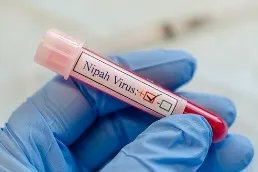
How is TN Responding to the Nipah Virus Cases in West Bengal?
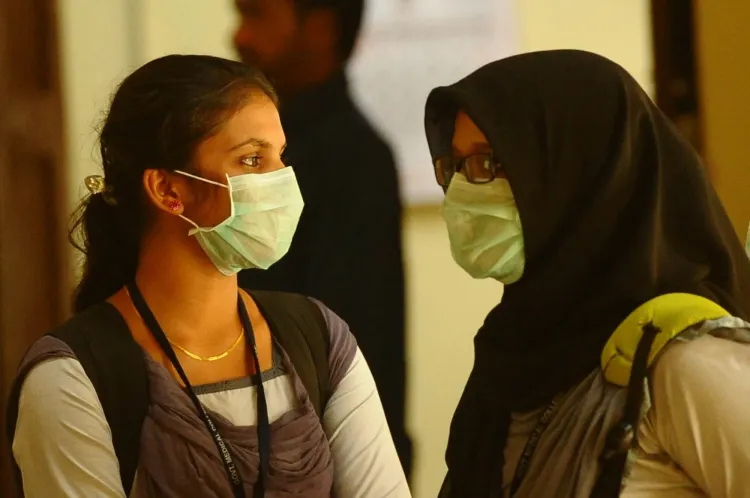
Synopsis
In a proactive response to two confirmed Nipah virus cases in West Bengal, Tamil Nadu has ramped up surveillance and hospital readiness. With guidelines issued and awareness campaigns planned, authorities are taking significant steps to prevent the virus from spreading. Stay informed on the measures being implemented to safeguard public health.
Key Takeaways
Tamil Nadu has intensified vigilance against the Nipah virus .
Health officials are increasing monitoring for Acute Encephalitis Syndrome (AES) .
Timely reporting of cases is crucial to preventing outbreaks.
Public awareness campaigns are being launched.
Strict infection control measures are mandated in healthcare settings.
Chennai, Jan 19 (NationPress) Tamil Nadu has intensified its disease surveillance and hospital readiness following the identification of two cases of Nipah virus in Nadia district of West Bengal, leading to a nationwide health alert.
In response to directives from the Government of India, the Tamil Nadu Directorate of Public Health (DPH) and Preventive Medicine have ordered all district, city, and municipal health officials to enhance monitoring for Acute Encephalitis Syndrome (AES) throughout the state.
The health department has emphasized the need to closely monitor all patients presenting with fever and altered mental status, particularly those who have recently traveled to West Bengal or had contact with individuals from affected regions.
Officials have stressed that such cases should be swiftly assessed for potential Nipah virus infection.
On Monday, Health Minister Ma. Subramanian stated that comprehensive guidelines and preventative measures have already been distributed to all districts.
District Health Officers have been directed to activate enhanced surveillance protocols, while block medical officers at the primary healthcare level and heads of all government hospitals are urged to stay alert and ready to respond promptly to suspected cases.
Director of Public Health A. Somasundaram highlighted the necessity of preparedness at the field level, calling for intensified awareness campaigns to educate healthcare workers and the public on prevention and control strategies.
He noted that enhancing surveillance, ensuring early detection, improving clinical management, and strictly following infection prevention and control measures in all healthcare facilities are crucial.
The DPH has instructed both public and private hospitals to report all AES cases immediately to the respective District Surveillance Units through the Integrated Disease Surveillance Programme–Integrated Health Information Platform.
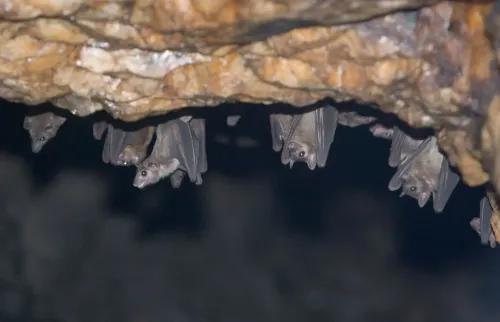
Timely reporting, officials emphasized, is vital in preventing any potential outbreak. According to the health department, the Nipah virus can spread to humans through close contact with infected individuals, fruit bats, or pigs.
Exposure may occur while handling or consuming fruits contaminated by bat secretions, climbing fruit trees, or consuming raw date palm sap, juice, or toddy.
Human-to-human transmission has been recorded, particularly during close caregiving at home or in healthcare environments where adequate personal protective equipment is not utilized.
Symptoms of the infection may include fever, severe headache, altered mental status, respiratory distress, cough, vomiting, muscle pain, convulsions, and diarrhea.
The infection can escalate to severe encephalitis or respiratory illness, with reported fatality rates ranging from 40% to 75%, depending on the outbreak.
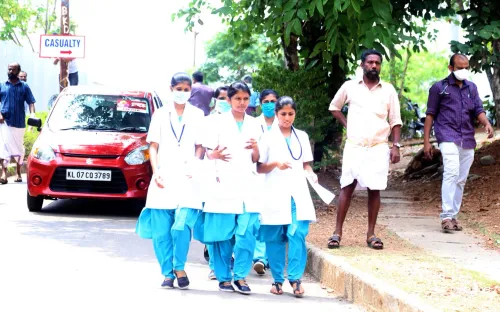
As part of revised preparedness measures, hospitals have been instructed to immediately isolate suspected Nipah patients, ensure strict segregation from other patients, and enforce rigorous infection control protocols to minimize the risk of transmission within healthcare settings.
Point of View
It is crucial to acknowledge the proactive measures taken by Tamil Nadu. With effective communication and swift action from health authorities, the state is setting a precedent for public health management. This approach not only safeguards local communities but also ensures a coordinated national response to potential outbreaks.
NationPress
1 Oct 2026
Frequently Asked Questions
What is the Nipah virus?
The Nipah virus is a zoonotic virus that can be transmitted from animals to humans and can cause severe illness, including encephalitis.
How is Nipah virus transmitted?
Transmission can occur through close contact with infected individuals, fruit bats, or pigs, and also via contaminated food.
What are the symptoms of Nipah virus infection?
Symptoms include fever, headache, altered mental status, respiratory distress, cough, and muscle pain.
What measures are being taken to prevent Nipah virus spread?
Tamil Nadu has increased surveillance, issued guidelines, and is conducting awareness campaigns to educate the public.
What should I do if I experience symptoms?
Seek medical attention immediately, especially if you have a recent travel history to affected areas.