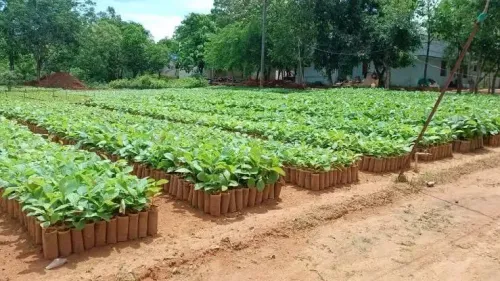
Tamil Nadu Government Launches Initiative for Timber Tree Cultivation on Farms
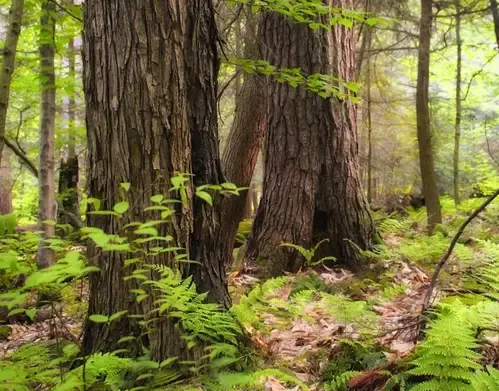
Synopsis
In a groundbreaking move, the Tamil Nadu government is promoting high-value timber tree cultivation on farms. This initiative aims to boost farmers' income and enhance the state's green cover, creating a sustainable agricultural ecosystem.
Key Takeaways
Promotes high-value timber tree cultivation Supports income diversification for farmers Aims to improve soil health and climate resilience Streamlines regulations for easier tree management Integral to the Tamil Nadu Agroforestry Policy 2026
Chennai, March 5 (NationPress) The government of Tamil Nadu has unveiled a significant initiative aimed at encouraging the cultivation of high-value timber trees on farmland. This effort is designed to assist farmers in diversifying their income streams while also enhancing the state’s green cover.
The initiative seeks to streamline current regulations surrounding the harvesting and transportation of timber, motivating farmers to incorporate tree cultivation alongside traditional agricultural practices.
Officials highlighted that this initiative is poised to open up new income avenues for farmers, boost soil health, and fortify climate resilience.
By empowering farmers to cultivate commercially valuable species such as teak, sandalwood, red sanders, and rosewood on their properties, the government aims to establish a sustainable timber supply while alleviating the pressure on natural forests.
A senior official remarked that a significant obstacle farmers face is the intricate regulatory landscape governing the growth and harvesting of high-value tree species.
Currently, farmers must adhere to a variety of stringent regulations set forth in laws such as the Tamil Nadu Hill Areas (Preservation of Trees) Act, 1955, Tamil Nadu Sandalwood Rules, 1967, Tamil Nadu Timber Transit Rules, 1968, Tamil Nadu Sandalwood Possession Rules, 1970, Tamil Nadu Hill Stations (Preservation of Trees) Amendment Act, 1979, and the Tamil Nadu Rosewood (Conservation) Act, 1994.
“These laws were established primarily to safeguard valuable species, but they have inadvertently created procedural barriers for farmers keen on growing such trees.
The government intends to ease certain regulations to facilitate farmers in cultivating, harvesting, and transporting timber from their own lands,” the official stated.
This initiative is part of the Tamil Nadu Agroforestry Policy 2026, introduced by Chief Minister M.K. Stalin.
The policy outlines strategies to promote sustainable agroforestry practices, boost farmers’ income, and expand the state’s forest and tree cover to 33 percent.
Officials noted that this policy was crafted after comprehensive consultations with farmers, researchers, and other stakeholders.
Three stakeholder meetings were held to gather insights and understand the challenges farmers encounter in adopting agroforestry methods.
The anticipated regulatory adjustments will be implemented in collaboration with the forest department to ensure that environmental protections are upheld while enhancing farmer participation.
By integrating farm-grown trees into the mainstream agricultural economy, the government aspires for this policy to promote diversified farming, bolster timber-based industries, and aid in mitigating climate change through improved carbon sequestration.
Point of View
Aiming to empower farmers through diversification and sustainable practices. By addressing regulatory challenges, the policy seeks to promote economic growth and environmental sustainability, ultimately benefiting both farmers and the ecosystem.
NationPress
29 Sept 2026
Frequently Asked Questions
What is the Tamil Nadu government's new initiative?
The initiative promotes the cultivation of high-value timber trees on agricultural lands to help farmers diversify their income and enhance the state's green cover.
What types of trees are included in this initiative?
Farmers will be encouraged to grow commercially valuable species such as teak, sandalwood, red sanders, and rosewood.
How does this initiative impact existing regulations?
The government plans to simplify regulations related to the harvesting and transportation of timber, making it easier for farmers to cultivate and manage these tree species.
What are the goals of the Tamil Nadu Agroforestry Policy 2026?
The policy aims to promote sustainable agroforestry practices, increase farmers' income, and expand the state's forest and tree cover to 33 percent.
How will the government ensure environmental protection?
Regulatory changes will be implemented in coordination with the forest department to maintain environmental safeguards while increasing farmer participation.