How is TN Strengthening Ecological Protection with New Reserved Forests?
Synopsis
In a groundbreaking move, the Tamil Nadu government has designated 100 forest blocks as Reserved Forests, expanding its green cover. This initiative not only enhances ecological protection but also fortifies climate resilience, aiming to preserve biodiversity and secure critical ecosystems.
Key Takeaways
Tamil Nadu government has designated 100 forest blocks as Reserved Forests.
The initiative adds approximately 135 sq km to the legally protected forest area.
Newly designated blocks span across 10 districts.
The move aims to enhance biodiversity and secure wildlife habitats.
Legal status is granted under the Tamil Nadu Forest Act, 1882.
Chennai, Jan 10 (NationPress) In a significant initiative to bolster ecological protection and enhance climate resilience, the Tamil Nadu government has designated 100 forest blocks as Reserved Forests (RF) over the past four years, greatly increasing the state's legally safeguarded green areas.
This initiative, enacted between 2021 and 2025, demonstrates a continuous policy commitment to preserving biodiversity-rich environments, securing wildlife corridors, and protecting vital ecosystems from enduring environmental threats.
As per the official announcement from Forest Minister R.S. Raja Kannappan, the recent notifications have contributed approximately 135 sq km to the state's reserved forest expanse, elevating it from 26,450 sq km to 26,585 sq km.
The newly designated forest blocks encompass 13,494.95 hectares and are distributed across 10 districts: Dindigul, Dharmapuri, Madurai, Kallakurichi, Theni, Sivaganga, Namakkal, the Nilgiris, Salem, and Tenkasi.
Notably, the Highways Forest Block in Theni district, covering 2,836.33 hectares, is the largest among the new additions.
Officials emphasized that this notification underscores the government's focus on safeguarding ecologically sensitive regions that are crucial for maintaining habitat continuity and climate stability.
In the Nilgiris, forest officials pointed out the significance of the newly designated blocks in enhancing wildlife connectivity.
Vengatesh Prabhu, Divisional Forest Officer (Gudalur), remarked that the Cherumulli forest block is adjacent to the Mudumalai Tiger Reserve, while the Yellamalai forest block is in close proximity to the Mukurthi National Park.
He stated that placing these areas under RF status will bolster biodiversity conservation, improve forest fire management, and guarantee long-term habitat protection in some of the state’s most biodiverse regions.
Prabhu mentioned that many of the lands now designated were previously categorized as janmam reserve lands. A dedicated committee formed by the state government is currently identifying ecologically important areas that can be swiftly notified.
“Seven to eight additional proposals, covering approximately 100 hectares, have already been submitted to the government,” he noted.
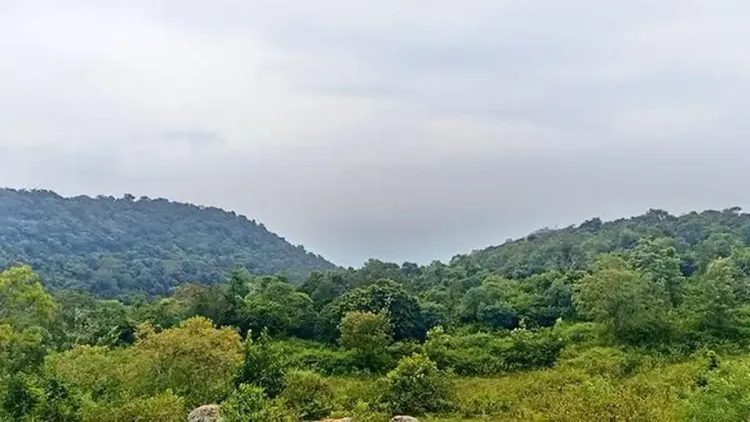
The notification of forests in the Megamalai region has garnered particular attention from conservationists. Officials indicated that the Highways Forest Block and its neighboring extensions are part of the Megamalai–Srivilliputhur landscape, a crucial segment of the southern Western Ghats known for its rich endemism and the migratory patterns of elephants, tigers, and other wildlife.
The newly designated blocks are anticipated to act as buffer and connectivity zones, assisting in the reduction of fragmentation and managing land-use pressures.
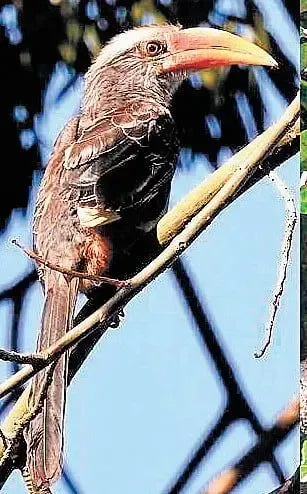
In Dindigul, the initiative has resolved long-standing disputes that had delayed notifications for years. Divisional Forest Officer Naga Satish stated that several forest blocks had remained unnotified for nearly two decades due to boundary uncertainties.
“A comprehensive survey was necessary, as some of these areas are critical habitats, including for the slender loris,” he added.
Senior officials stressed that each notification adhered to a thorough legal procedure under Section 16 of the Tamil Nadu Forest Act, 1882.
By granting permanent legal acknowledgment to these forests, the state aims to secure wildlife habitats, safeguard watersheds, enhance carbon sequestration, and reinforce forests as enduring ecological infrastructure essential for biodiversity, water security, and climate resilience.
Point of View
The Tamil Nadu government's recent initiative to designate forest blocks as Reserved Forests is a commendable effort in ecological conservation. Such measures are vital not just for the state but for our shared environmental future, showcasing a proactive approach to safeguarding biodiversity and mitigating climate change impacts.
NationPress
8 Oct 2026
Frequently Asked Questions
What are Reserved Forests?
Reserved Forests are areas designated by the government for the purpose of conservation and protection of biodiversity, wildlife habitats, and ecosystems.
How many districts are involved in this initiative?
The initiative spans across 10 districts, including Dindigul, Dharmapuri, Madurai, and others.
What is the significance of the Highways Forest Block?
The Highways Forest Block in Theni is the largest addition, covering 2,836.33 hectares, emphasizing the government's commitment to protecting vital landscapes.
How will this initiative impact biodiversity?
This initiative is expected to enhance biodiversity conservation, improve habitat connectivity, and provide long-term protection for various species.
What legal framework supports this initiative?
The notifications follow a rigorous legal process under Section 16 of the Tamil Nadu Forest Act, 1882.