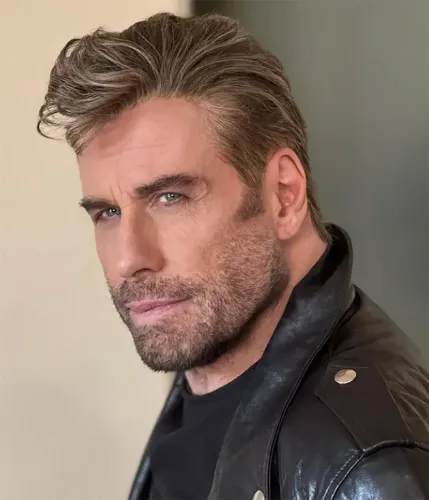
John Travolta honoured at Torino, calls himself a cinema snob
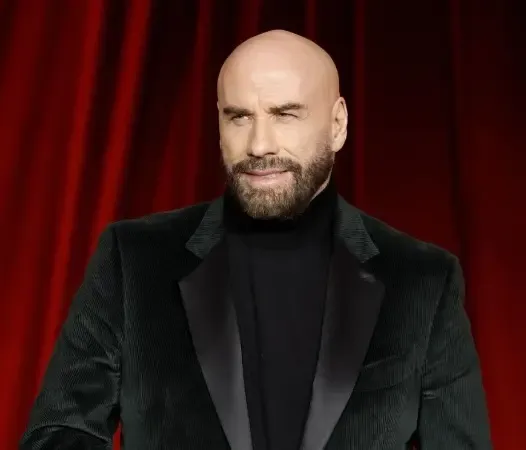
Synopsis
Honoured at the Torino Film Festival, John Travolta thanked audiences for a 50-year career, then called himself a bit of a snob who prefers Fellini, De Sica, Bertolucci, Lelouch and Truffaut. He said he keeps a mental library of directors’ methods — and once used it to make a little film he called perfection.
Key Takeaways
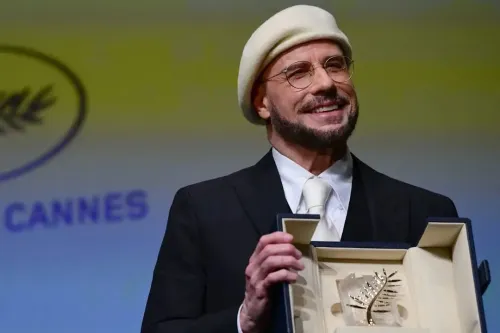
John Travolta received a lifetime achievement tribute at the Torino Film Festival .
He thanked audiences for a 50-year career, saying they never clipped his wings.
Travolta called himself “a bit of a snob” who likes classic cinema and stories that go deeply into the soul.
He named Fellini , De Sica , Bertolucci , Lelouch and Truffaut as favourites.
He said he stores directors’ methods in a mental library and later made a little film he called perfection, without naming it.
Hollywood star John Travolta, recently honoured with a lifetime achievement tribute at the Torino Film Festival, has described himself as “a bit of a snob” whose loyalties lie with classic European cinema, naming Fellini, De Sica, Bertolucci, Lelouch and Truffaut among the filmmakers he returns to. Accepting the honour, the actor thanked audiences for a 50-year run in which he was allowed to sing, dance and inhabit roles he said he would never have dreamed of. He told the gathering the public had never clipped his wings and had let him fly, on the screen and in the air.
Lifetime tribute at the Torino Film Festival
Travolta used the Torino stage to thank viewers for standing behind him across five decades of work. “Thank you for giving me the most beautiful career,” he said. “For the last 50 years, I’ve been able to explore and give audiences so many different characters. You’ve offered me the opportunity to sing, to dance and to play characters I would never have dreamed of.”
He went further, folding Shakespeare into the thank-you. “So, big thanks to you for letting me do what Shakespeare asks of us, to be, or not to be. You allowed me to be. You never clipped my wings. You allowed me to fly so beautifully, on the screen and in the air.” The closing image — flight both cinematic and literal — became the emotional centre of the speech: a star crediting the audience for range, risk and longevity rather than a single signature role.
A mental library of directors
Beyond gratitude, Travolta sketched a working method he said he has carried for years. He watches directors closely, files away what succeeds, and discards what does not. “I watched directors do great work, not-so-good work, and mediocre work. So I collected everything I admired about the great directors and kept it in my mind like a library,” he said.
That archive, he added, eventually became a toolkit. “Then, at a later age, I used all the things I felt worked and eliminated all the things that did not, and I made a little film that was perfection.” He did not name the picture. Notably, he also said he revisits those mental shelves whenever he gets the chance to work with directors he has studied — a portrait of an actor who now talks like a collector of craft as much as a marquee name.
Classic cinema, from Fellini to Truffaut
On personal taste, Travolta was blunt. “I’m a bit of a snob. I like classic cinema. I like Fellini, and De Sica, and Bertolucci, and Lelouch and Truffaut. I enjoy the stories that go deeply into the soul. That’s my favorite kind of film.”
The list is a roll-call of post-war European art cinema: Italian neorealism and its heirs, the French New Wave, and the richly textured work associated with Bertolucci and Lelouch. He did not cite contemporary studio spectacles, nor the song-and-dance vehicles his own remarks recalled as part of the 50-year journey. This comes amid a late-career stretch in which festival tributes often become a place for stars to restate artistic credentials; Travolta’s version located his “favorite kind of film” in stories of interior life rather than scale.
Why the remarks matter
For an actor whose public image was built on movement, music and larger-than-life characters, the Torino speech is a deliberate pivot toward cinephile language. Naming Fellini and Truffaut in the same breath as a lifetime honour on Italian soil also reads as a nod to the festival’s own heritage — European cinema as a living syllabus, not a museum label.
Who is affected is less a policy public than the audience that still turns up for his work, and younger filmmakers hearing a Hollywood veteran argue that soul-deep narrative remains the point of the medium. What happens next is the afterlife any such tribute now has: the “cinema snob” line will be quoted, the unnamed “little film that was perfection” will keep cinephiles guessing, and the mental-library metaphor will travel farther than the trophy itself.
Travolta left the Torino Film Festival with the honour — and with a public record of the shelves he says he still consults. Whether that library reshapes the roles he chooses from here is the question his next credits will have to answer.
Point of View
Shakespeare, then a European syllabus that Italian audiences would recognise as their own. The tension is obvious: a star minted by American pop entertainment now insists his true north is Fellini and Truffaut. Hollywood veterans often rewrite their taste as lifetime prizes pile up; the unnamed ‘little film that was perfection’ is the tell. Until that title is on the record, the library sounds more like aspiration than filmography.
NationPress
25 Nov 2026
Frequently Asked Questions
What honour did John Travolta receive at the Torino Film Festival?
John Travolta was honoured with a lifetime achievement tribute at the Torino Film Festival. Accepting the award, he thanked audiences for a 50-year career and spoke about his taste for classic European cinema.
Why did John Travolta say he is a bit of a snob?
Travolta said he is a bit of a snob because he prefers classic cinema and stories that go deeply into the soul. He named Fellini, De Sica, Bertolucci, Lelouch and Truffaut as the directors he likes.
Which filmmakers did John Travolta say he admires?
He said he likes Fellini, De Sica, Bertolucci, Lelouch and Truffaut. He described films that go deeply into the soul as his favourite kind of cinema.
What did Travolta say about his 50-year career?
He thanked audiences for giving him the most beautiful career over 50 years, saying they let him sing, dance and play characters he would never have dreamed of. He invoked Shakespeare’s ‘to be, or not to be’ and said viewers never clipped his wings.
What did John Travolta mean by a mental library of directors?
He said he watched directors do great, not-so-good and mediocre work, stored what he admired like a library, and later used those lessons to make a little film he called perfection. He did not name that film in his speech.