India, Georgia discuss energy, connectivity at 9th FOC
Synopsis
The ninth India-Georgia Foreign Office Consultations in New Delhi put energy, connectivity and infrastructure at the centre of a relationship both sides call warm and friendly. Officials agreed to reconvene in Tbilisi, building on S Jaishankar's October meeting with Georgian FM Maka Botchorishvili in Abu Dhabi.
Key Takeaways
India and Georgia held the ninth round of Foreign Office Consultations in New Delhi on Wednesday .
Talks covered energy , connectivity , infrastructure, trade, investment, education and people-to-people exchanges.
India was led by MEA Secretary (West) Sibi George ; Georgia by Deputy Foreign Minister Alexander Khvitisiashvili .
The next FOC session will be held in Tbilisi at mutually convenient dates.
In October , External Affairs Minister S Jaishankar met Georgian FM Maka Botchorishvili in Abu Dhabi .
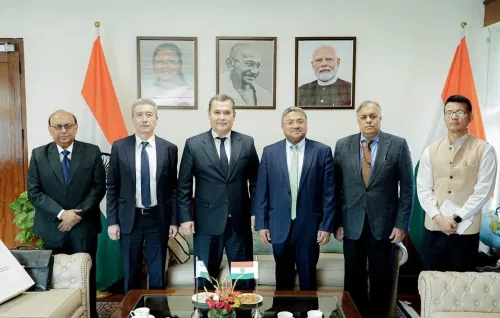
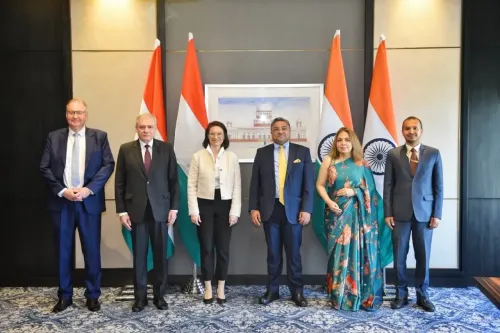
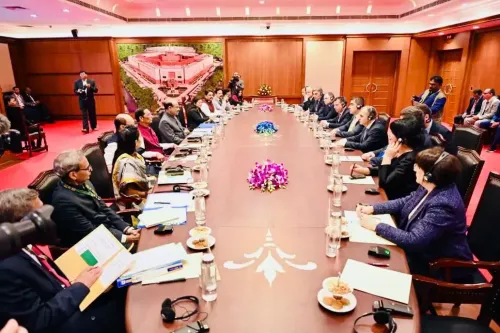
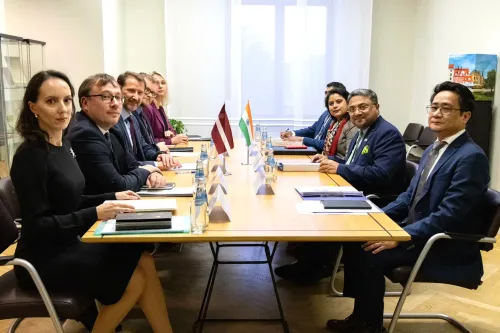
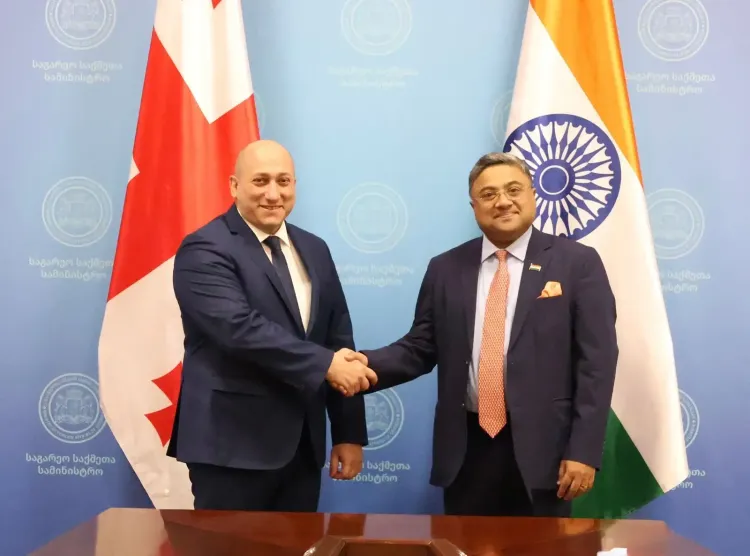
India and Georgia held the ninth round of Foreign Office Consultations in New Delhi on Wednesday, reviewing bilateral ties and discussing ways to expand cooperation in connectivity, energy, infrastructure and other areas of mutual interest. The Indian delegation was led by Secretary (West) in the Ministry of External Affairs (MEA), Sibi George, while the Georgian delegation was headed by Deputy Minister of Foreign Affairs Alexander Khvitisiashvili.
Officials also took stock of cooperation in trade and investment, culture, education and people-to-people exchanges, and exchanged views on regional and global developments, according to a statement issued by the MEA. Both sides reaffirmed a commitment to high-level exchanges, sustained institutional dialogue and wider sectoral work.
Key Developments
The New Delhi round was framed as a full review of the relationship rather than a single-issue meeting. Infrastructure, energy and connectivity were singled out as areas where cooperation can be taken further, alongside newer domains that the two sides described as being of mutual interest.
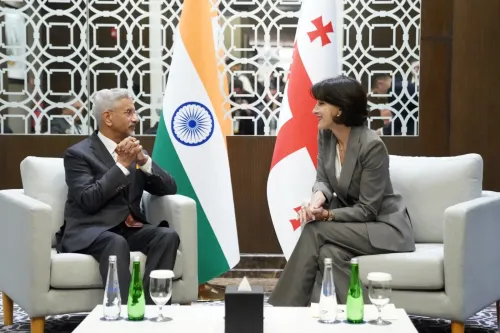
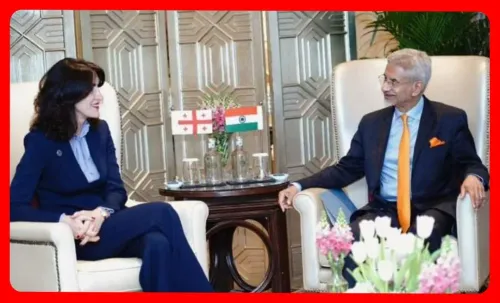
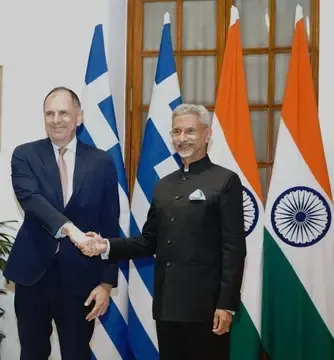
This comes amid recent ministerial contact. In October, External Affairs Minister S Jaishankar met Georgian Foreign Minister Maka Botchorishvili in Abu Dhabi, where they discussed business, connectivity, culture and people-to-people domains, as well as current regional developments.
Notably, connectivity featured in both the October ministerial conversation and this week's officials' talks, pointing to a consistent bilateral priority rather than a one-off agenda item.
What the MEA Said
The MEA said India and Georgia share warm and friendly ties. Its statement read: “India and Georgia share warm and friendly ties. Both sides reaffirmed their commitment to strengthening India–Georgia partnership through high-level exchanges, sustained institutional dialogue and enhanced cooperation across diverse sectors.”
The two sides agreed to hold the next session of Foreign Office Consultations in Tbilisi at mutually convenient dates. No calendar date was announced in New Delhi.
Jaishankar's October Meeting in Abu Dhabi
The consultations follow the October meeting between Jaishankar and Botchorishvili at Raisina Middle East in the UAE. Jaishankar posted on X: “Glad to meet FM Maka Botchorishvili of Georgia. Our ties, including in trade, tourism and education, have been expanding. Discussed further deepening cooperation in business, connectivity, culture and people-to-people domains. Also talked about current regional developments.”
In a post on X, Botchorishvili stated: “Pleased to meet India’s External Affairs Minister S. Jaishankar at Raisina Middle East in Abu Dhabi. Reaffirmed our commitment to strengthening political dialogue, expanding economic ties, and deepening cooperation in tourism, education, culture and other areas of mutual interest.”
During that meeting, the two ministers also reaffirmed their commitment to strengthening political dialogue, expanding economic ties and deepening cooperation in tourism, education, culture and other areas of mutual interest.
Why the Consultations Matter
The Foreign Office Consultations mechanism is the regular, working-level channel through which India and Georgia keep the relationship on a structured track. Hosting the ninth round in New Delhi, and agreeing to reconvene in Tbilisi, underlines that both capitals want the dialogue to remain frequent and institutional rather than episodic.
Trade, investment, education, tourism and cultural exchanges remain the established pillars of the partnership. The explicit turn toward infrastructure, energy and connectivity — and the reference to new areas of mutual interest — suggests an attempt to add an economic and physical-links layer to a relationship long described in friendly, people-to-people terms.
Who is affected extends beyond the two foreign ministries. Exporters and investors watching market access, students and tourists already cited as a growing strand of the relationship, and any future energy or connectivity projects would all sit downstream of this dialogue. The exchange of views on regional and global developments also places the bilateral conversation in a wider setting, even though the MEA statement did not spell out the issues covered.
What's Next
The immediate follow-up is the next session of Foreign Office Consultations in Tbilisi, to be held on dates convenient to both sides. Until then, the political guidance set in October by Jaishankar and Botchorishvili — on political dialogue, economic ties, tourism, education, culture, business and connectivity — will continue to frame the work of the two ministries.
No new agreements or project timelines were announced after the New Delhi round. The test of this week's consultations will be whether the Tbilisi session records movement from a shared agenda on energy and connectivity to concrete deliverables.
Point of View
But the ninth India-Georgia round is a reminder that New Delhi is tending relationships beyond the usual major-power circuits. The repeated emphasis on connectivity and energy — in Abu Dhabi in October and again in New Delhi this week — is the real signal: Georgia sits on routes that matter if India wants more options between Europe and Asia. Reaffirming warm ties is the easy part; converting FOC talking points into trade, energy and infrastructure outcomes is the test Tbilisi must now meet. Without a public pipeline of projects, this risks remaining a well-mannered dialogue with limited economic weight.
NationPress
25 Nov 2026
Frequently Asked Questions
What were the India-Georgia Foreign Office Consultations about?
The ninth round of Foreign Office Consultations in New Delhi reviewed bilateral ties and discussed expanding cooperation in connectivity, energy, infrastructure, trade, investment, education and people-to-people exchanges. Officials also exchanged views on regional and global developments.
Who led the India and Georgia delegations in New Delhi?
The Indian delegation was led by MEA Secretary (West) Sibi George, and the Georgian delegation was led by Deputy Minister of Foreign Affairs Alexander Khvitisiashvili. The talks were held in New Delhi on Wednesday.
When will the next round of India-Georgia consultations be held?
The next session of Foreign Office Consultations will be held in Tbilisi at mutually convenient dates. No specific calendar date was announced after the New Delhi round.
What did S Jaishankar and Maka Botchorishvili discuss in October?
In October, External Affairs Minister S Jaishankar met Georgian Foreign Minister Maka Botchorishvili in Abu Dhabi and discussed business, connectivity, culture, people-to-people ties and current regional developments. Both sides also reaffirmed a commitment to political dialogue and expanding economic, tourism, education and cultural cooperation.
Which new sectors did India and Georgia flag for deeper cooperation?
Besides trade, investment, culture, education and people-to-people exchanges, the two sides discussed expanding work in infrastructure, energy, connectivity and new areas of mutual interest. Connectivity also featured in the October ministerial meeting in Abu Dhabi.