India, Uzbekistan hold 10th counter-terrorism meet in New Delhi
Synopsis
India and Uzbekistan convened their 10th counter-terrorism joint working group in New Delhi on 22 October, tackling threats from extremism, terror financing, and the crime-terror nexus — with both sides pledging cooperation at the UN, SCO-RATS and EAG. The meeting is the latest in a rapid broadening of ties that now spans security, judiciary, trade, and technology.
Key Takeaways
The 10th India-Uzbekistan Joint Working Group on Counter Terrorism was held on 22 October 2026 in New Delhi .
The meeting was co-chaired by MEA Additional Secretary Suhel Ajaz Khan and Uzbekistan's Pirimkulov Gulomjon Shodmonkulovich .
Both sides agreed on cooperation through information sharing , capacity building , and best practices , and reaffirmed commitment to the UN , SCO-RATS , and EAG .
CJI Justice Surya Kant met Uzbekistan's Supreme Court chief on 4 October to discuss judicial cooperation and AI in courts.
The 17th Foreign Office Consultations in May 2026 covered trade, tourism, energy, technology, and cultural ties.
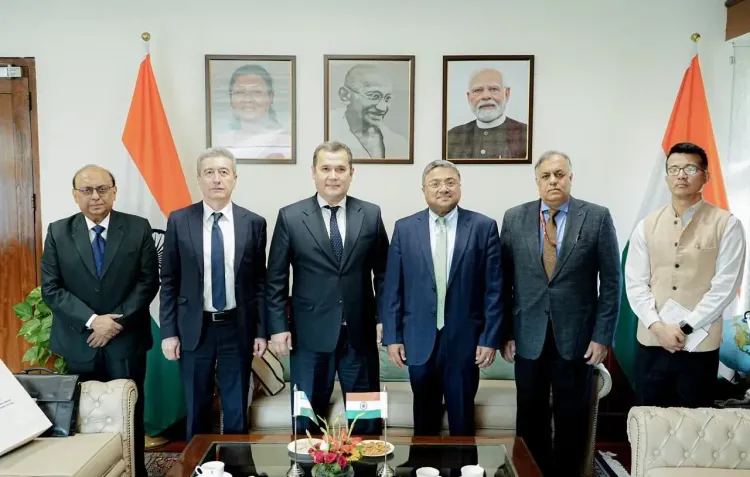
India and Uzbekistan on 22 October 2026 held the 10th Meeting of the India-Uzbekistan Joint Working Group on Counter Terrorism in New Delhi, reaffirming bilateral commitment to tackling terrorist threats and deepening security cooperation across multiple fronts, the Ministry of External Affairs (MEA) said on Saturday.
Key Developments
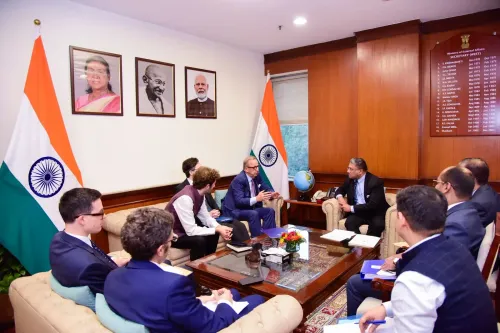
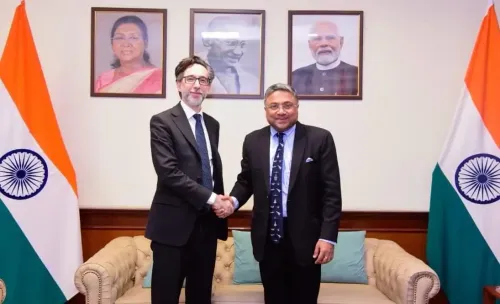
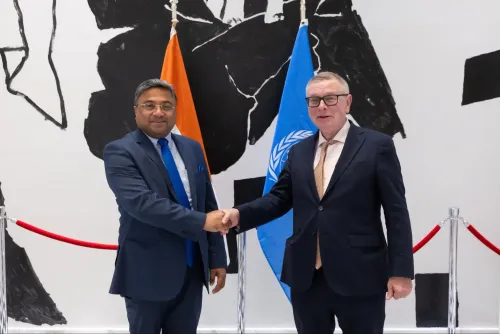
The joint working group meeting was co-chaired by MEA Additional Secretary (Counter Terrorism) Suhel Ajaz Khan and Uzbekistan's co-chair Pirimkulov Gulomjon Shodmonkulovich, who heads the Department for Cooperation with South Asian, Near, Middle Eastern and African Countries at Uzbekistan's Ministry of Foreign Affairs.
Separately, MEA Secretary (West) Sibi George received Pirimkulov Gulomjon Shodmonkulovich in New Delhi. According to the MEA, the two officials 'discussed India-Uzbekistan cooperation in counter-terrorism and other issues of mutual interest, reaffirming their commitment to further strengthening bilateral cooperation.'
What the Two Sides Agreed On
Both delegations reviewed the global and regional threat landscape posed by terrorist organisations. Discussions covered a broad range of challenges including countering extremism and radicalisation, combating the financing of terrorism, preventing the misuse of technology for terrorist purposes, and addressing the nexus between transnational organised crime and terrorism.
The MEA stated that both sides agreed to strengthen the bilateral counter-terrorism framework through information sharing, capacity building, and the sharing of best practices. Both countries also reaffirmed their commitment to cooperate in multilateral forums, including the United Nations (UN), SCO-RATS, and the Eurasian Group (EAG).
Broader Bilateral Momentum
The counter-terrorism dialogue is part of a wider deepening of India-Uzbekistan ties. On 4 October, Chief Justice of India (CJI) Justice Surya Kant met Justice Robakhon Makhmudova, Chairperson of the Supreme Court of Uzbekistan, to discuss judicial cooperation, including the use of artificial intelligence and digital technology in court systems. The CJI also participated in the 7th Congress of the Association of Asian Constitutional Courts (AACC) held in the Uzbek city of Samarkand.
Earlier, in May 2026, the 17th round of India-Uzbekistan Foreign Office Consultations was held in New Delhi, co-chaired by Sibi George and Uzbekistan's First Deputy Minister of Foreign Affairs Bakhromjon Aloev. That round covered trade and investment, tourism, technology, innovation, energy, and educational and cultural cooperation.
Why It Matters
This is the 10th iteration of the counter-terrorism working group, signalling a sustained and institutionalised security partnership between the two countries. Central Asia has increasingly become a focal point for India's security diplomacy, particularly as concerns persist over Taliban-controlled Afghanistan's potential to serve as a staging ground for regional extremism. Uzbekistan, which shares a border with Afghanistan, is a critical partner in this calculus.
Notably, the engagement spans multiple domains — judicial, diplomatic, and security — underscoring that the India-Uzbekistan relationship has moved well beyond ceremonial exchanges. With the next working group session expected to build on the agreed framework, both sides are expected to formalise inter-agency cooperation mechanisms in the months ahead.
Point of View
Not a one-off diplomatic gesture — and that distinction matters in Central Asia. With Afghanistan under Taliban control and the region's terror-finance channels still active, Uzbekistan is not a peripheral partner for India; it is a frontline one. What mainstream coverage often misses is the convergence across tracks: the same week security officials met, India's Chief Justice was in Samarkand discussing AI in courts. That breadth suggests a strategic relationship with genuine depth. The test now is whether the agreed frameworks on information sharing and inter-agency cooperation produce operational outcomes, or remain declaratory commitments on paper.
NationPress
24 Oct 2026
Frequently Asked Questions
What was discussed at the 10th India-Uzbekistan Joint Working Group on Counter Terrorism?
The meeting covered threats from terrorist groups globally and in both countries' regions, including countering extremism, combating terror financing, preventing misuse of technology, and addressing the crime-terror nexus. Both sides agreed to strengthen cooperation through information sharing, capacity building, and best practices.
When and where was the India-Uzbekistan counter-terrorism meeting held?
The 10th meeting of the India-Uzbekistan Joint Working Group on Counter Terrorism was held on 22 October 2026 in New Delhi. It was co-chaired by MEA Additional Secretary Suhel Ajaz Khan and Uzbekistan's Pirimkulov Gulomjon Shodmonkulovich.
Which multilateral forums did India and Uzbekistan agree to cooperate in on counter-terrorism?
Both countries reaffirmed their commitment to cooperate in the United Nations (UN), the SCO's Regional Anti-Terrorist Structure (SCO-RATS), and the Eurasian Group (EAG) on combating terrorism.
How are India and Uzbekistan cooperating beyond security matters?
The two countries have broadened engagement significantly. Chief Justice of India Justice Surya Kant met Uzbekistan's Supreme Court chief on 4 October 2026 to discuss judicial cooperation and AI in courts. Earlier, in May 2026, the 17th Foreign Office Consultations covered trade, investment, tourism, energy, technology, and cultural cooperation.
Why is Uzbekistan an important partner for India on counter-terrorism?
Uzbekistan shares a border with Afghanistan and is a key actor in Central Asian security dynamics. As concerns grow over the potential use of Taliban-controlled Afghanistan as a base for regional extremism, Uzbekistan's geographic and strategic position makes it a critical partner for India's counter-terrorism diplomacy in the region.