CM Bhagwant Mann Hails Punjab Youth Choosing UPSC, Law
Synopsis
Punjab Chief Minister Bhagwant Mann on 24 October 2026 highlighted a UPSC qualifier and a law aspirant as evidence that the AAP government's education reforms are creating a generation of youth committed to public service, reaffirming the state's support for students.
Key Takeaways
Bhagwant Mann posted on 24 October 2026 celebrating Punjab youth clearing UPSC and pursuing legal education as fruits of the state's school-reform drive.
The Aam Aadmi Party government in Punjab has positioned government-school upgrades and competitive-exam support as a core governance promise since its March 2022 election win.
Mann's post directly addressed students, saying 'your own government always stands with you' — reinforcing the administration's youth-centric political brand.
Pairing civil services success with law education signals an ambition to build civic leaders across institutions, not just the bureaucracy.
Concrete metrics — such as Punjab's share of UPSC qualifiers and new coaching-centre budget allocations — remain the pending proof-points for this reform narrative.
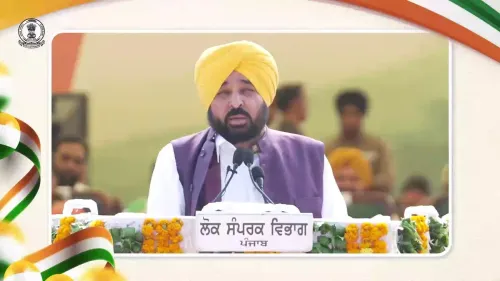
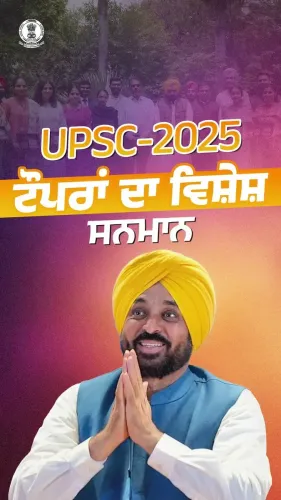
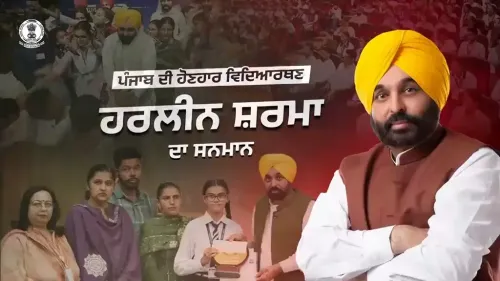
A daughter cracking the UPSC exam to serve the nation. A young man choosing law to stand up for ordinary people. Punjab Chief Minister Bhagwant Mann held up these two images on Saturday, 24 October 2026 as living proof that the state's push for education reform is producing real results — not just better classrooms, but a new generation with purpose.
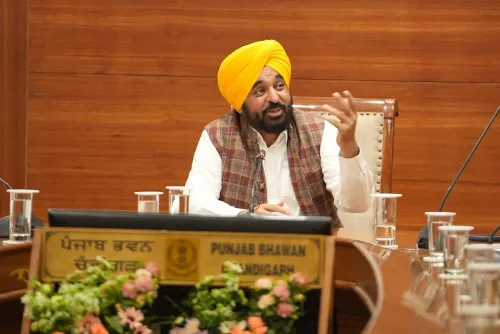
In a post on X, Mann wrote in Punjabi: 'ਅਸੀਂ ਨੇਕ ਨੀਅਤ ਅਤੇ ਦ੍ਰਿੜ ਇਰਾਦਿਆਂ ਨਾਲ ਪੰਜਾਬ ਦੇ ਬੱਚਿਆਂ ਦਾ ਸੁਨਹਿਰੀ ਭਵਿੱਖ ਸਿਰਜ ਰਹੇ ਹਾਂ' — 'With honest intent and firm resolve, we are building a golden future for Punjab's children.' He pointed to young Punjabis clearing the civil services exam and pursuing legal education as evidence that those efforts are bearing fruit, closing with a direct message to students: 'Your own government always stands with you.'
UPSC as a Yardstick for Punjab's School Reform
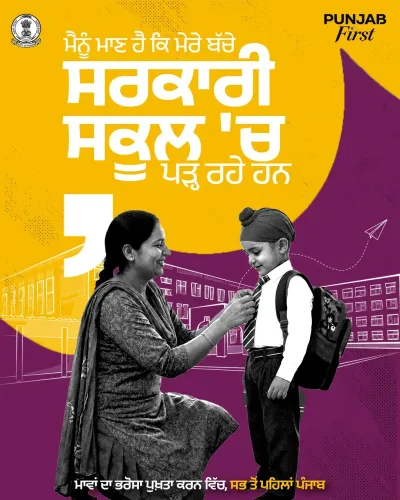
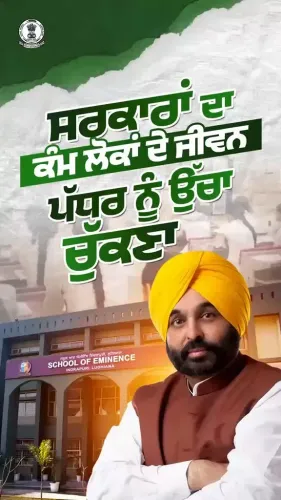
The Union Public Service Commission exam is widely regarded as the most demanding competitive examination in India, drawing candidates from every state. For the Aam Aadmi Party government in Punjab, a student from the state clearing it is not just a personal achievement — it is a data point in a political argument. Since taking office in March 2022, Mann's administration has repeatedly framed upgraded government schools and coaching support as a pipeline to national-level public service, not merely improved literacy rates.
AAP's 2022 Punjab election manifesto made large-scale government school upgrades and competitive-exam support a centrepiece promise. The party drew on its record in Delhi, where government school results became one of the most-cited governance achievements. Punjab's iteration of that model has been under close watch ever since.
Why Law Sits Alongside Civil Services in Mann's Vision
The pairing of a UPSC qualifier with a law aspirant in the same post is deliberate. Civil services and legal education represent two distinct but overlapping routes into public life — one through the executive machinery of the state, the other through the courts and advocacy. By celebrating both in the same breath, Mann signals a broader ambition: not just to produce bureaucrats, but to build a generation equipped to engage with institutions across the board.
For a state that has historically seen significant youth migration — both to other Indian cities and abroad — framing professional aspiration within Punjab itself carries political weight. The message is that staying home and serving here is now a viable, even prestigious, choice.
The next concrete test of that narrative will be the release of fresh UPSC result data showing Punjab's candidate numbers, and any new state budget allocations directed at competitive-examination coaching centres. Until then, Saturday's post plants a flag: the AAP government wants to be judged, eventually, by how many of Punjab's children walk through those doors.
Point of View
Youth investment — to a specific, relatable human moment rather than dry statistics. It reinforces the party's 2022 mandate in Punjab, which was built heavily on the Delhi school-reform template. The strategic subtext is equally clear: with youth migration from Punjab a long-standing concern, celebrating professional aspiration rooted within the state chips away at the idea that ambition requires leaving. Whether the narrative holds will ultimately depend on verifiable outcome data — UPSC qualifier numbers, enrolment trends, budget lines — that the government will need to produce as the electoral cycle matures.
NationPress
24 Oct 2026
Frequently Asked Questions
What did Bhagwant Mann say about Punjab students and UPSC?
On 24 October 2026, Mann posted that Punjab's children are building a golden future, citing a young woman who cleared the UPSC exam and a youth pursuing law as examples of the government's education efforts paying off.
What is AAP's education policy in Punjab?
The Aam Aadmi Party government in Punjab, since taking office in March 2022, has focused on upgrading government schools and supporting students preparing for competitive examinations like UPSC, drawing on its earlier model from Delhi.
Why is UPSC success significant for Punjab's AAP government?
For the AAP government, UPSC qualifiers from Punjab serve as a measurable, high-visibility proof point for its education reform narrative, demonstrating that upgraded state schools can produce candidates for India's most competitive exam.
How does Bhagwant Mann's government support students in Punjab?
The AAP government in Punjab has pledged government school upgrades, competitive-exam coaching support, and youth skilling initiatives as part of its core governance agenda since the 2022 assembly elections.
What is the broader vision behind Mann celebrating both UPSC and law aspirants?
By highlighting both a civil services qualifier and a law aspirant, Mann signals an ambition to build civic leaders across multiple institutions — not only the bureaucracy — while also countering youth outmigration by celebrating professional success within Punjab.