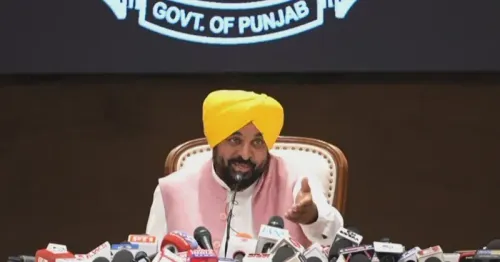
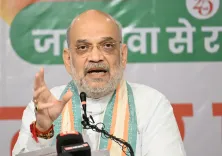
CM Bhagwant Mann Honours Punjab's UPSC 2025 Qualifiers in Chandigarh
Synopsis
Punjab Chief Minister Bhagwant Mann held a live felicitation event in Chandigarh on June 15, 2026, to honour successful UPSC 2025 candidates from the state — reflecting the AAP government's sustained push to boost Punjab's representation in India's civil services.
Key Takeaways
Punjab Chief Minister Bhagwant Mann hosted a felicitation ceremony in Chandigarh on June 15, 2026 for successful UPSC Civil Services Examination 2025 candidates.
The event was broadcast live, extending its reach to civil services aspirants across Punjab .
The ceremony was announced in both Punjabi and Hindi , signalling outreach to the state's broader linguistic communities.
The Aam Aadmi Party government has since 2022 emphasised education and youth-focused policy as a governance priority in Punjab .
Chandigarh serves as a major hub for competitive examination coaching, making it a strategic venue for such events.
Future state budget allocations for coaching centres and revised civil services targets will indicate whether the recognition translates into sustained policy support.
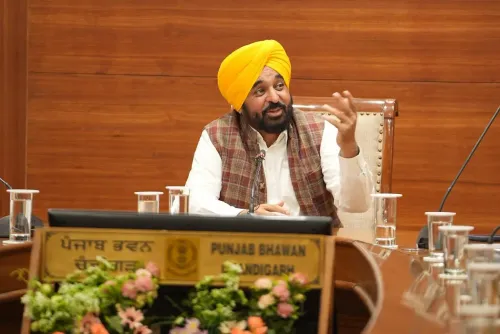
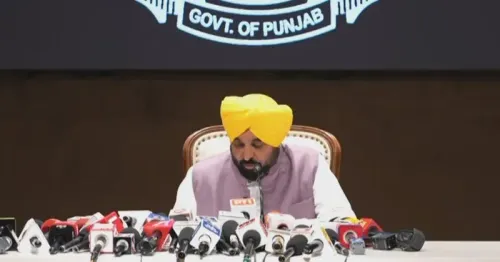
Punjab Chief Minister Bhagwant Mann hosted a live felicitation ceremony in Chandigarh on Monday, June 15, 2026, to honour candidates from the state who cleared the UPSC Civil Services Examination 2025. The event, streamed live, underscored the Aam Aadmi Party government's emphasis on recognising and encouraging youth participation in India's most competitive administrative recruitment process.
Context
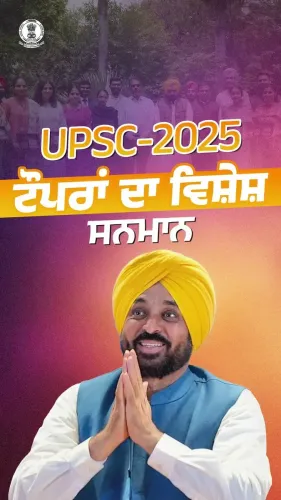
Mann's post, shared in both Punjabi and Hindi, announced the ceremony as a live broadcast from Chandigarh — 'UPSC 2025 ਦੇ ਸਫਲ ਉਮੀਦਵਾਰਾਂ ਦੇ ਸਨਮਾਨ ਸਮਾਗਮ' (a felicitation event for successful UPSC 2025 candidates). The dual-language announcement signals the administration's intent to reach audiences across Punjab's linguistic communities. Chandigarh, as the shared capital of Punjab and Haryana and a recognised hub for competitive examination coaching, provided a fitting venue for the public honour.
Policy Backdrop
Since winning the 2022 Punjab assembly elections, the Aam Aadmi Party government has positioned education and youth-focused governance as central planks of its administration. The party announced measures to expand access to quality coaching and guidance for state students appearing in national competitive examinations, including the Union Public Service Commission civil services exam — the gateway to the IAS, IPS, and allied central services.
Indian state governments have long used public felicitation ceremonies for UPSC qualifiers as a tool to signal administrative ambition and inspire wider participation from their regions. For Punjab, which has periodically sought to increase its representation in the civil services, such events carry both symbolic and practical weight — publicly affirming the state's investment in grooming future administrators.
Stakeholders and Impact
The primary beneficiaries of this ceremony are Punjab's civil services aspirants and their families, for whom public recognition by the Chief Minister carries considerable social and motivational significance. Beyond the honourees, the event sends a message to the broader pool of competitive exam aspirants in the state that the government takes their ambitions seriously.
Coaching institutes and mentorship networks operating in and around Chandigarh also stand to benefit from the heightened visibility such events bring to the civil services ecosystem in the region. The live broadcast format extended the ceremony's reach well beyond the physical venue, amplifying its impact among students across Punjab.
What's Next
Attention will now turn to whether the Mann government follows the ceremony with concrete policy announcements — such as revised state budget allocations for competitive-exam coaching centres or new selection targets ahead of the next UPSC cycle. If the administration translates this public recognition into sustained institutional support, it could meaningfully shift Punjab's civil services representation over the coming years. The pattern of such events under AAP governance suggests that political visibility around education outcomes is likely to remain a consistent feature of the party's public communication.
Point of View
Chief Minister Mann reinforces the AAP government's brand identity as a champion of meritocracy and youth aspiration. This event fits a broader pattern where the party leverages education outcomes as proof of governance competence — a narrative it has cultivated since its 2022 Punjab election campaign. The live broadcast format amplifies the political dividend, turning a state-level ceremony into a pan-Punjab moment of inspiration. Whether this visibility converts into durable institutional investment in civil services coaching will be the real test of the administration's commitment.
NationPress
14 Sept 2026
Frequently Asked Questions
What is the UPSC 2025 felicitation ceremony in Chandigarh about?
Punjab Chief Minister Bhagwant Mann hosted a live felicitation ceremony in Chandigarh on June 15, 2026, to publicly honour candidates from Punjab who cleared the UPSC Civil Services Examination 2025, recognising their achievement and encouraging wider civil services participation in the state.
Why did Bhagwant Mann hold a UPSC honour event in Chandigarh?
The AAP government in Punjab has prioritised education and youth-focused governance since 2022. Felicitating UPSC qualifiers publicly is part of a broader effort to signal the state's investment in grooming civil servants and to inspire more aspirants from Punjab.
Which exam is UPSC 2025 and what services does it cover?
UPSC 2025 refers to the Union Public Service Commission Civil Services Examination 2025, which is India's premier national-level test for recruitment to services including the Indian Administrative Service (IAS), Indian Police Service (IPS), and other central government services.
What has the AAP government done for UPSC aspirants in Punjab?
Since its 2022 election victory, the Aam Aadmi Party government in Punjab announced measures to expand access to quality coaching and guidance for students preparing for national competitive examinations, including the UPSC civil services exam.
Where is the Chandigarh UPSC ceremony and why Chandigarh?
The ceremony was held in Chandigarh, which serves as the shared capital of Punjab and Haryana and is a well-established hub for competitive examination coaching, making it a natural and symbolic venue for honouring civil services achievers from the region.