CM Uttarakhand: Women Turn Self-Reliant via State Schemes
Synopsis
The Chief Minister's Office of Uttarakhand spotlights women in Udham Singh Nagar becoming economically self-reliant through state welfare schemes, reflecting the state's sustained push to deepen women's financial inclusion across its Terai plains.
Key Takeaways
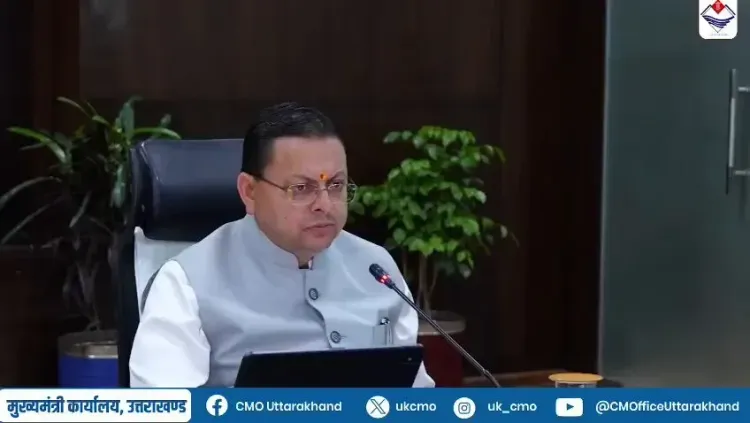
The CMO Uttarakhand posted on 24 October 2026 highlighting women in Udham Singh Nagar becoming self-reliant through government schemes.
Udham Singh Nagar is a Terai-region district with significant agricultural and industrial activity in Uttarakhand.
Uttarakhand has promoted self-help groups and skill programmes as women's empowerment tools since statehood in 2000 .
The National Mission for Empowerment of Women , launched in 2010 , provides the central policy framework that state efforts build on.
No specific new scheme or beneficiary numbers were announced; the post reflects ongoing state publicity around existing programmes.
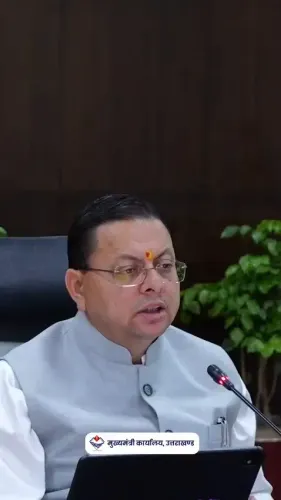
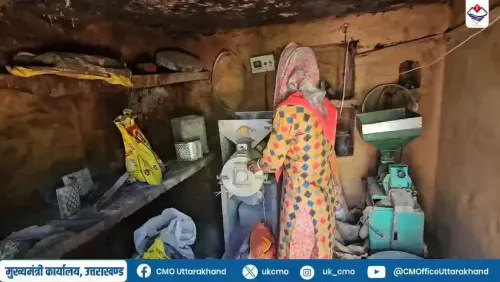
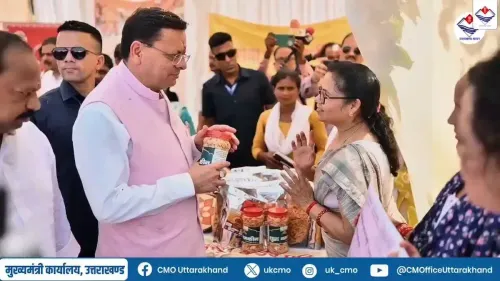
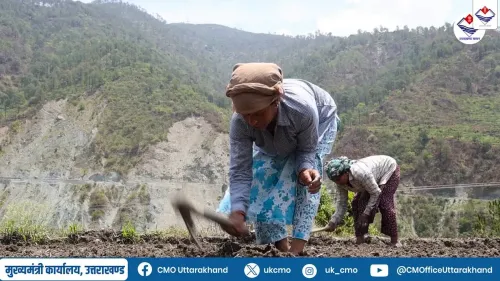
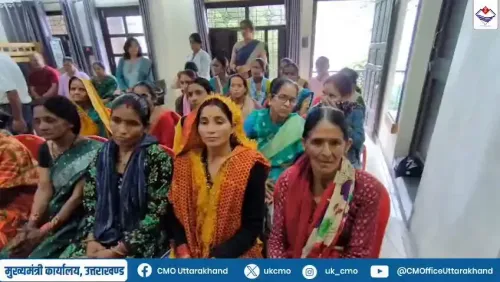
In the fertile Terai plains of Udham Singh Nagar, women are trading dependence for enterprise — and the Chief Minister's Office of Uttarakhand is highlighting exactly that shift on Saturday, 24 October 2026.
The post, shared by the official CMO account, states: 'Uttarakhand mein sarkari yojanaon ka labh lekar mahilaen ban rahi hain aatmnirbhar' — 'In Uttarakhand, women are becoming self-reliant by availing the benefits of government schemes.' The specific spotlight on Udham Singh Nagar, one of the state's most agriculturally active districts, signals a deliberate push to show ground-level impact in the plains belt, not just the hill districts that dominate Uttarakhand's public image.
Udham Singh Nagar's place in Uttarakhand's development story
Udham Singh Nagar sits in Uttarakhand's Terai region — lower-altitude, densely populated, and home to both significant farming communities and industrial corridors. Since Uttarakhand was carved out as a separate state in 2000, successive governments have worked to extend welfare infrastructure to the plains districts, which have different economic needs from the mountainous hinterland. Women's economic participation has been a recurring priority, channelled through self-help groups, skill-development programmes, and financial-inclusion drives.
Central and state frameworks behind the push
The broader policy architecture includes the National Mission for Empowerment of Women, launched in 2010, which was designed to coordinate central and state schemes supporting women's livelihoods. Uttarakhand has layered its own programmes on top — promoting self-help group networks and vocational training as part of its development priorities from statehood onwards. The CMO's post does not name specific schemes, but the framing of 'sarkari yojanaon' — government schemes, plural — suggests multiple channels are in play simultaneously for beneficiaries in Udham Singh Nagar.
Routine as such state communications can appear, they carry a real accountability dimension: when a Chief Minister's Office publicly frames a district's women as active beneficiaries of self-reliance programmes, it sets a visible benchmark that advocates and opposition alike can test against district-level data.
The arc is clear — and the proof will be in the numbers when Uttarakhand tables its next state budget.
Point of View
Giving the state government a legible link to the Centre's flagship framing. However, without district-level beneficiary data or scheme-specific disclosures, the post is as much a visibility exercise as a policy update. Sustained accountability will depend on whether the state publishes auditable outcomes in budget documents or scheme reports.
NationPress
24 Oct 2026
Frequently Asked Questions
Which schemes is Uttarakhand using to empower women in Udham Singh Nagar?
The CMO's post references government schemes broadly without naming specific programmes. Uttarakhand has historically channelled women's empowerment through self-help group networks, skill-development initiatives, and financial-inclusion drives, alongside central schemes such as the National Mission for Empowerment of Women launched in 2010.
What is Udham Singh Nagar known for in Uttarakhand?
Udham Singh Nagar is a Terai-region district in Uttarakhand with significant agricultural activity and industrial corridors, making it one of the state's more densely populated and economically active plains districts.
What is the National Mission for Empowerment of Women?
Launched in 2010, the National Mission for Empowerment of Women is a central government initiative designed to coordinate across ministries and state governments to improve women's economic participation, health, and legal rights.
How long has Uttarakhand been promoting women's self-help groups?
Uttarakhand has promoted self-help groups and vocational skill programmes as development priorities since it became a separate state in 2000, building on both central and state-specific welfare frameworks over more than two decades.
Why does the Uttarakhand CMO highlight specific districts in welfare posts?
Spotlighting individual districts such as Udham Singh Nagar allows the state government to demonstrate ground-level implementation of schemes, create visible accountability benchmarks, and show coverage across both hill and plains regions of Uttarakhand.