Trump backs Musk on Starlink Ukraine concerns, calls him a 'brilliant guy'
Synopsis
President Trump stood firmly behind Elon Musk on Friday, brushing aside questions about Starlink's role in the Ukraine war with a simple verdict: 'He's not going to do anything wrong.' The exchange crystallises a broader tension — a private satellite network is shaping a live conflict, and the US administration's governance strategy appears to be personal trust rather than regulatory oversight.
Key Takeaways
President Trump defended Elon Musk during a South Lawn interaction on 23 October , amid questions about Starlink and the Russia-Ukraine conflict .
Trump said Musk is 'not going to do anything wrong' and praised him as a 'brilliant' person whose talents America must protect.
No new policy on Starlink 's operations in Ukraine was announced.
The President addressed the prospect of Democratic congressional gains and potential greater scrutiny of Musk after the November midterms .
The session also covered Iran , trade talks with Canada and Mexico , and the approaching congressional elections.
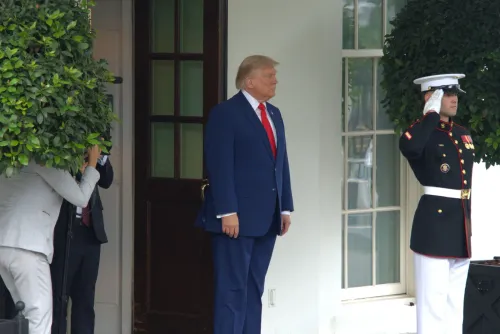
US President Donald Trump on Friday, 23 October strongly defended billionaire Elon Musk amid questions about Starlink's role in the Russia-Ukraine conflict, saying he trusted the technology entrepreneur and did not believe he would act improperly. The remarks came during a South Lawn interaction at the White House, where reporters pressed the President on the implications of a private company wielding influence over a live international conflict.
Trump's Defence of Musk
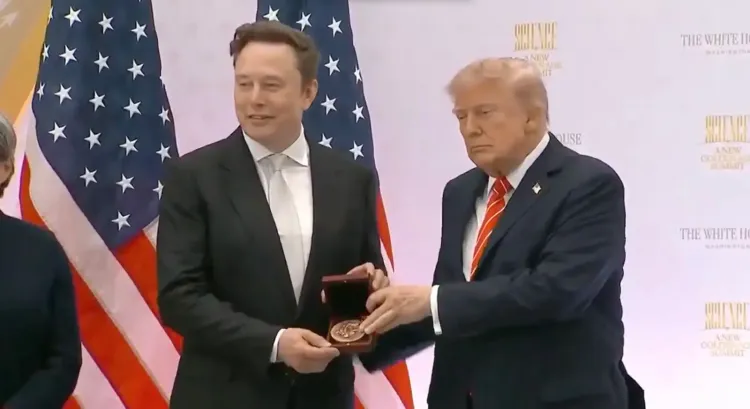
Trump was unequivocal in his backing of Musk, framing the issue as one of national interest as much as personal trust. 'Elon's a brilliant guy, and I have an expression. We have to protect our brilliant people because we don't have too many of them,' the President said.
He went on to call Musk 'a very good person' and dismissed suggestions of wrongdoing. 'He's not going to do anything wrong,' Trump said, adding: 'He's a very brilliant person, or Starlink wouldn't exist.'
Starlink's Role in the Ukraine Conflict
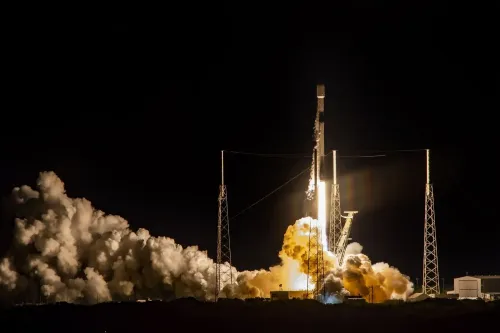
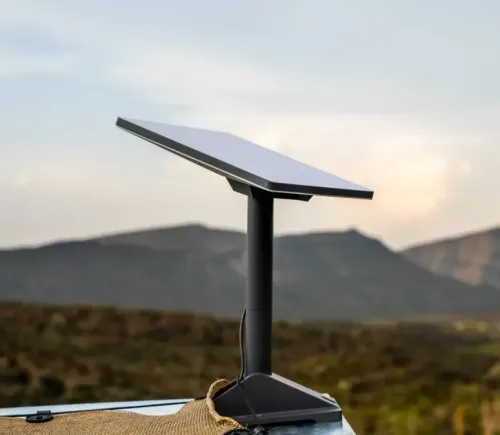
The exchange turned pointed when reporters raised Starlink — the satellite communications network operated by Musk's company SpaceX — and its operational role in Ukraine. The network has been critical to Ukrainian military and civilian communications since Russia's invasion, but has also drawn scrutiny over reported instances where service was restricted or modified in sensitive theatre zones.
Trump defended Musk's judgement in navigating those decisions. 'He's a fair person and, you know, it's an unusual situation where they're talking to private companies. But he's not going to do anything that's wrong,' he said. The President did not announce any new policy on Starlink's operations in Ukraine, nor did he detail any prospective changes to the network's terms of service in the conflict zone.
Congressional Scrutiny and Democratic Oversight
Part of the questioning centred on the possibility of greater scrutiny of Musk should Democrats gain control of Congress in the approaching November midterm elections. Trump rejected the premise, arguing that America's competitive edge in technology required protecting individuals of exceptional talent.
'We're leading in everything right now,' he said, citing American leadership in fields including superintelligence. Critics, however, argue that the concentration of critical wartime infrastructure in a single private company — without a formal government contract governing conflict-zone decisions — raises accountability questions that personal trust cannot resolve.
Broader Context
The South Lawn session ranged widely, also covering Iran, trade negotiations with Canada and Mexico, and the approaching congressional elections. Musk's increasingly prominent role in US public life — spanning defence-adjacent technology, social media ownership, and close proximity to the administration — has made him an unusually powerful private actor in geopolitical affairs, a dynamic that the exchange on Friday underscored without resolving.
With midterms approaching and bipartisan unease about the governance of private satellite networks in conflict zones growing, the administration's position appears to rest heavily on confidence in one individual rather than on a structured regulatory framework.
Point of View
De facto, a piece of wartime communications infrastructure that Ukrainian forces depend on. The question of whether Musk will 'do anything wrong' is less important than whether there is any mechanism to ensure he cannot — or to hold him accountable if he does. The administration's answer, delivered on a lawn rather than through legislation or contract, is that personal character is sufficient governance. That answer is unlikely to satisfy critics in either party as the midterms draw closer and the Ukraine conflict shows no sign of resolution.
NationPress
23 Oct 2026
Frequently Asked Questions
Why did Trump defend Elon Musk over Starlink?
Trump defended Musk on 23 October after reporters asked about Starlink's role in the Russia-Ukraine conflict and the possibility of greater Democratic scrutiny after midterm elections. The President said he trusted Musk personally and did not believe he would act improperly.
What is Starlink's role in the Ukraine conflict?
Starlink, the satellite internet network operated by Musk's company SpaceX, has been critical to Ukrainian military and civilian communications since Russia's invasion. It has also faced scrutiny over reported instances where coverage was reportedly restricted in certain operational zones, raising questions about the governance of private wartime infrastructure.
Did Trump announce any new policy on Starlink in Ukraine?
No. Trump did not announce any new policy on Starlink's operations in Ukraine or detail possible changes to the satellite network's terms of service in the conflict zone. His remarks were limited to expressing personal confidence in Musk.
What did Trump say about Democratic scrutiny of Musk?
Trump addressed the possibility of greater oversight of Musk if Democrats gained control of Congress after the November midterms, rejecting the premise and arguing that the US needed to retain and protect individuals capable of developing advanced technologies.
What else was covered during Trump's South Lawn session?
Beyond the Musk and Starlink questions, Trump's South Lawn interaction covered Iran, Ukraine, trade negotiations with Canada and Mexico, and the approaching congressional midterm elections.