Did Trump Just Block a Deal with a Chinese-Linked Company?
Synopsis
In a bold move, Donald Trump has blocked a deal involving U.S. semiconductor assets and a Chinese-linked firm, raising significant national security concerns. This decision emphasizes the ongoing scrutiny of foreign investments in sensitive technologies amidst escalating tensions with China.
Key Takeaways
Trump's executive order blocks a deal involving a Chinese-linked company.
National security concerns were cited as the primary reason for the decision.
HieFo Corporation is required to divest its interests in Emcore's assets within 180 days .
CFIUS plays a crucial role in reviewing foreign investments.
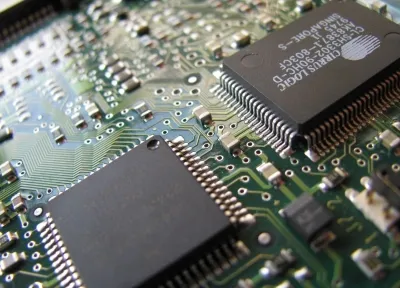
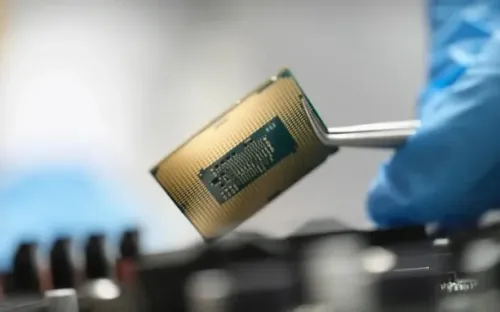
Semiconductors are vital for both civilian and defense uses.
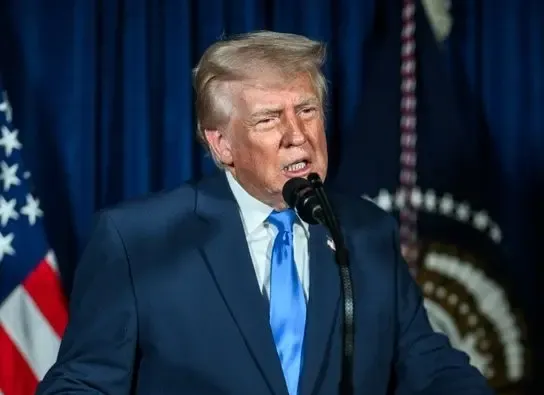
In a decisive move on January 3, U.S. President Donald Trump has halted a significant transaction concerning American semiconductor assets involving a company linked to China, citing national security issues.
Through an executive order released on Friday, Trump has prohibited HieFo Corporation from taking over certain chip-related assets belonging to Emcore Corporation. The order stated that there was “credible evidence” suggesting that this deal could pose a threat to the national security of the United States.
HieFo, a firm based in Delaware and overseen by a Chinese national, had previously obtained assets related to digital chips and wafer design, fabrication, and processing operations from the New Jersey-based Emcore. This acquisition was finalized on April 30, 2024.
Trump indicated that current legal frameworks, outside of Section 721 of the Defense Production Act of 1950, lacked “adequate and appropriate authority” to mitigate the risks associated with this deal.
The executive order prohibits the transaction, preventing HieFo from holding any interest or rights in the Emcore assets, either directly or indirectly. HieFo and its affiliates are required to divest all such interests within 180 days unless an extension is granted by the Committee on Foreign Investment in the United States (CFIUS).
Until the divestiture is finalized and confirmed by CFIUS, HieFo is barred from accessing Emcore’s assets, which also includes sensitive non-public technical information and IT systems. Access to these assets will require written permission from CFIUS.
The order empowers CFIUS to enforce compliance measures, mandate certifications, and perform audits to ensure adherence to the order. HieFo must regularly submit written certifications confirming its compliance and progress towards divestiture.
Previously, Emcore had disclosed the sale of its chip business and indium phosphide wafer fabrication operations for $2.92 million. This deal also included HieFo assuming certain liabilities and encompassed nearly all assets related to Emcore’s discontinued chip business, including facilities located in Alhambra, California.
CFIUS, an interagency panel led by the U.S. Treasury Department, evaluates foreign investments for national security threats. Its scrutiny has intensified lately, especially regarding transactions that involve advanced technologies.
Semiconductors are deemed essential for both civilian and defense use. Recent U.S. administrations have increasingly utilized executive powers to limit foreign access to sensitive chip technologies amid escalating strategic competition with China.
Point of View
This action taken by President Trump reflects an ongoing commitment to safeguarding U.S. interests in the semiconductor sector. The decision underlines the importance of national security in foreign investments, especially when it involves entities linked to nations considered strategic competitors.
NationPress
6 Oct 2026
Frequently Asked Questions
What prompted Trump to block the deal?
Trump cited national security concerns as the primary reason for blocking the transaction involving HieFo Corporation and Emcore Corporation.
What were the assets involved in the deal?
The deal included chip-related assets and operations tied to digital chips, wafer design, and fabrication from Emcore Corporation.
What are the implications of this executive order?
The executive order prohibits HieFo from holding interests in Emcore's assets and mandates a divestiture within 180 days, affecting U.S.-China business relations.
Why are semiconductors considered critical?
Semiconductors are essential for both civilian applications and defense, making their security a priority for the U.S. administration.