Has Trump Expanded the US Travel Ban to 20 More Countries?

Synopsis
In a significant move, President Trump has broadened US travel restrictions by adding 20 more countries and the Palestinian Authority to the list. This expansion aims to enhance national security and address concerns over immigration vetting processes. Explore the implications and reactions to this controversial decision.
Key Takeaways
20 countries and the Palestinian Authority are added to the travel ban.
Five nations face a full travel ban, while 15 have partial restrictions.
Exemptions apply to valid visa holders and lawful permanent residents.
Security concerns and immigration vetting challenges are cited as reasons for the ban.
New restrictions affect both visitors and immigrants.
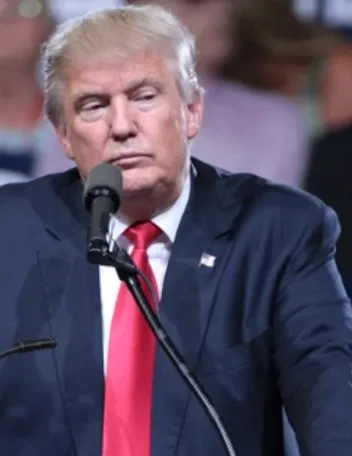
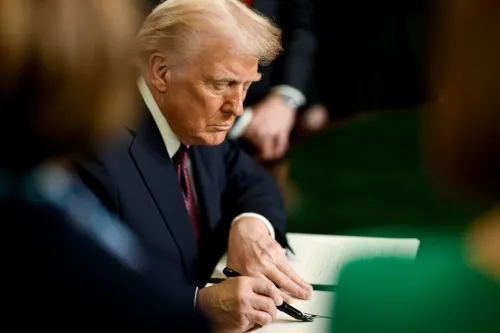
Washington, Dec 17 (NationPress) US President Donald Trump has enacted a new proclamation that significantly expands the travel restrictions for the United States, incorporating an additional 20 nations along with the Palestinian Authority into the existing ban. This action greatly broadens the limitations on who may enter or immigrate to the country.
Currently, five nations are subjected to a complete travel ban to the US, while another 15 are facing partial restrictions. Furthermore, travel by individuals using documents issued by the Palestinian Authority has been entirely prohibited.
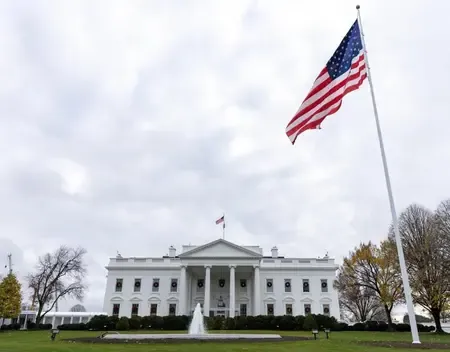
The White House indicated that this decision is aligned with efforts to enhance the standards for US entry, citing security concerns as a primary reason. They referenced the recent arrest of an Afghan individual charged with the shooting of two National Guard members near the White House during the Thanksgiving weekend.
Exemptions are included in these restrictions; individuals holding valid US visas, lawful permanent residents, diplomats, athletes, and certain other visa holders are not affected. Entry may also be permitted if it aligns with US interests. The administration has not disclosed when these new regulations will be implemented.
The initial travel restrictions were announced by Trump in June, affecting citizens from 12 countries who were banned from entering the US, while nationals from seven additional countries faced partial restrictions. This latest expansion revives a key policy from Trump's first term.
The June ban initially included Afghanistan, Myanmar, Chad, the Republic of Congo, Equatorial Guinea, Eritrea, Haiti, Iran, Libya, Somalia, Sudan, and Yemen, with partial limits on Burundi, Cuba, Laos, Sierra Leone, Togo, Turkmenistan, and Venezuela.
On Tuesday, Burkina Faso, Mali, Niger, South Sudan, and Syria were added to the comprehensive ban list, while full restrictions on travel for holders of Palestinian Authority documents were enforced. South Sudan had already been under significant limitations.
Fifteen additional nations were included in the partial restrictions: Angola, Antigua and Barbuda, Benin, Ivory Coast, Dominica, Gabon, Gambia, Malawi, Mauritania, Nigeria, Senegal, Tanzania, Tonga, Zambia, and Zimbabwe.
These restrictions impact both visitors and immigrants, affecting those seeking short-term travel as well as those desiring permanent entry.
In his proclamation, Trump noted that many of the affected countries experience widespread corruption, possess fraudulent or unreliable civil documents, and have extensive criminal records.
Such issues complicate the vetting process for travelers. Officials have also pointed to high rates of visa overstays and the refusal of some governments to repatriate citizens whom the US wishes to deport.
Concerns regarding instability and inadequate governmental control in specific countries were highlighted, alongside the implications for immigration enforcement, foreign policy, and national security.
The administration also adjusted previous restrictions, moving Laos and Sierra Leone from partial limits to full suspensions, while easing some measures for Turkmenistan, citing improvements in the country. All other stipulations established in June remain intact.
The new measures concerning Palestinians extend beyond previous actions. Recently imposed restrictions had already made it exceedingly difficult for holders of Palestinian Authority passports to secure US travel documents for business, education, or tourism. The latest decision now prohibits their emigration to the United States.
The proclamation stated that several US-designated terrorist organizations are active in the West Bank or Gaza Strip and have committed acts of violence against American citizens.
It further asserted that the ongoing conflict has likely undermined vetting and screening capabilities in those regions, compounding the challenges posed by the national travel ban.
Travel bans emerged as a central issue during Trump's initial term, resulting in protests and legal disputes. While courts later affirmed revised versions, proponents argue that it safeguards national security, whereas critics contend it unjustly discriminates based on nationality.
Point of View
It is essential to approach this topic with a balanced perspective. The expansion of the travel ban by President Trump reflects ongoing national security concerns, yet it also raises questions about fairness and the implications for individuals from affected nations. It is crucial to analyze the broader context and impact of these restrictions on global relations and immigration policies.
NationPress
9 Oct 2026
Frequently Asked Questions
What countries are affected by the new travel ban?
The new travel ban now includes 20 additional countries and the Palestinian Authority, impacting those seeking entry into the US.
Are there exemptions to the travel restrictions?
Yes, individuals with valid US visas, lawful permanent residents, and certain visa holders are exempt from the travel restrictions.
What are the reasons for the travel ban expansion?
The expansion is primarily motivated by security concerns and issues related to immigration vetting processes.
When will the new travel restrictions take effect?
The administration has not announced a specific date for when the new measures will be implemented.
How has the travel ban evolved since its inception?
The travel ban has undergone several revisions, with initial restrictions announced in June, which have now been expanded to include more countries.