Is Trump Closing Venezuela's Airspace Amid Military Threats?
Synopsis
Trump's declaration of Venezuelan airspace closure raises concerns of military action. With tensions escalating and a focus on drug trafficking, the implications of this move could lead to significant international consequences. As both nations grapple with the aftermath of their exchanges, the world watches closely.
Key Takeaways
Trump's declaration could lead to military action.
Venezuela views the closure of airspace as an act of colonialism.
US Navy presence in the region has increased significantly.
Drug trafficking is a central issue in the US's strategy against Venezuela.
Congressional approval for military action may be circumvented.
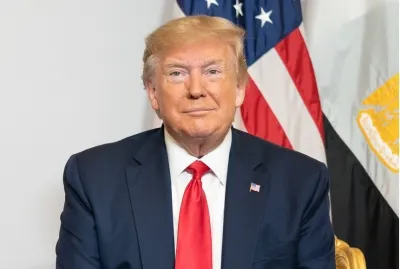
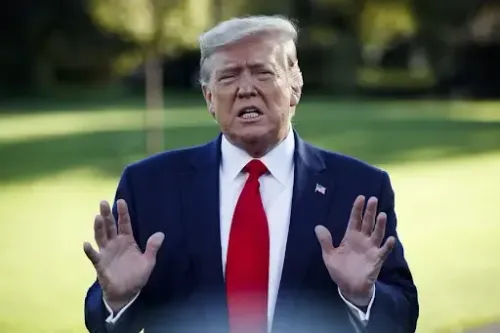
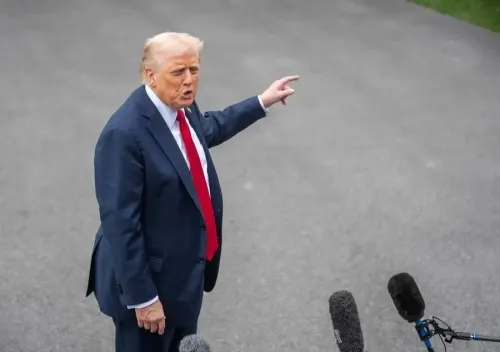
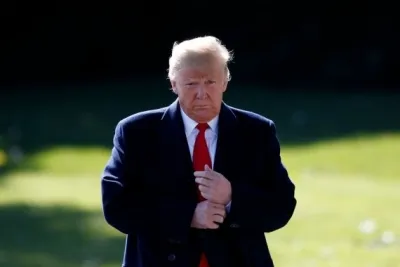
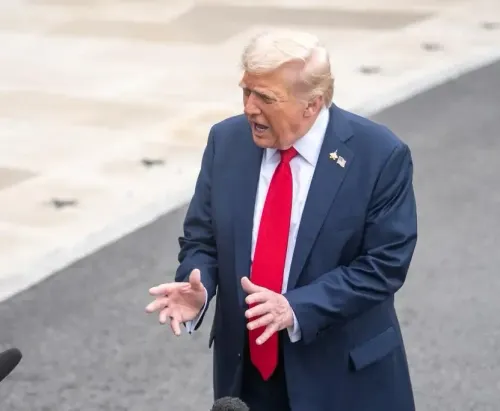
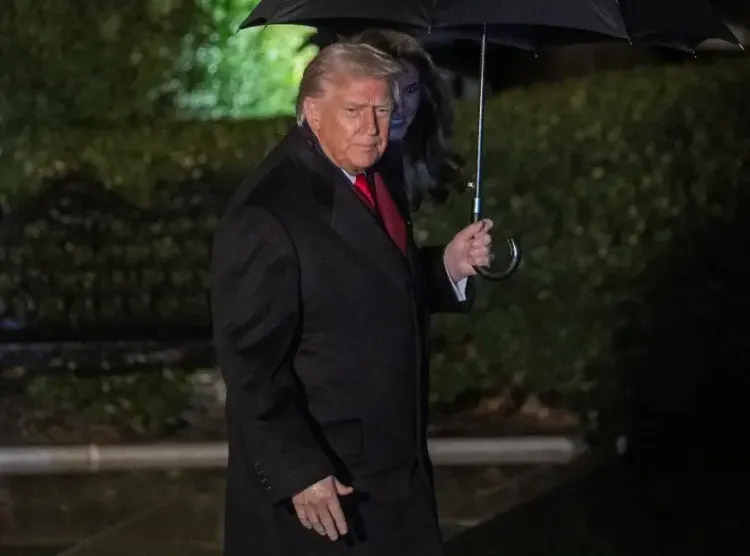
New York, Nov 30 (NationPress) Following a reported conversation with Venezuela’s President Nicolas Maduro, US President Donald Trump has intensified his stance against the nation, declaring the airspace off-limits, which may indicate upcoming military actions.
In a brief post on Truth Social on Saturday, he stated, “... please consider THE AIRSPACE ABOVE AND SURROUNDING VENEZUELA TO BE CLOSED IN ITS ENTIRETY.”
His warning extends beyond airlines and pilots to include “Drug Dealers and Human Traffickers,” connecting potential military actions to his initiatives against illegal migration and drug trafficking.
For several weeks, the US has been targeting vessels on the high seas believed to be transporting drugs, resulting in over 20 airstrikes and more than 80 casualties.
On Thursday, he remarked, “We’ll be starting to stop them by land.”
“Also, the land (action) is easier, but that’s going to start very soon,” he added during his Thanksgiving message to the military.
Venezuela has condemned Trump’s airspace declaration as an act of colonialism, labeling it “hostile and unjustified.”
The region is currently filled with US Navy ships, including the aircraft carrier USS Gerald Ford, and approximately 15,000 military personnel have been deployed.
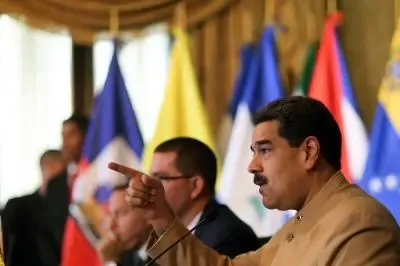
The New York Times reported, citing anonymous sources, that Trump and Maduro had a phone call discussing a potential direct meeting among other subjects.
Secretary of State Marco Rubio, known for his hardline stance against Maduro, was part of that call, according to the newspaper.
Neither the White House nor Venezuelan officials have confirmed these discussions.
Earlier reports indicated that Maduro proposed access to Venezuela’s oil reserves and other concessions, but he insisted on retaining power for two years—a condition Trump is unlikely to accept.
Last week, the US designated the drug group, Cartel de los Soles, as a foreign terrorist organization, claiming Maduro is its leader.
This designation enables Trump to argue that any actions against Maduro and Venezuela are anti-drug efforts, thus avoiding the label of war.
He could claim that this approach circumvents the need for Congressional approval typically required for military engagements.
Democratic Senate leader Chuck Schumer reminded Trump, “Under our Constitution, Congress has the sole power to declare war — not the president.”
“President Trump’s reckless actions towards Venezuela are pushing America closer and closer to another costly foreign war,” he added.
Point of View
The unfolding situation between the US and Venezuela highlights the complex dynamics of international diplomacy, national security, and the ongoing war on drugs. It is crucial to approach this matter with caution, ensuring that actions taken are guided by a commitment to peace and stability in the region.
NationPress
1 Oct 2026
Frequently Asked Questions
What led to Trump's declaration regarding Venezuelan airspace?
Trump's declaration followed a reported conversation with Venezuelan President Nicolas Maduro, amidst ongoing tensions relating to drug trafficking and illegal migration.
How has Venezuela responded to Trump's actions?
Venezuela condemned Trump's declaration as colonialism and described it as hostile and unjustified.
What military presence does the US have near Venezuela?
The US has deployed approximately 15,000 military personnel in the region along with several Navy ships, including the aircraft carrier USS Gerald Ford.
What impact does this have on US-Venezuela relations?
This escalation in rhetoric and military posturing could further strain relations, complicating any potential negotiations between the two nations.
Is there a historical context to this declaration?
Yes, the US has a long history of involvement in Venezuelan affairs, often centered around political and economic interests in the region.