Iran's Parliament Speaker: Trust is Key for US Exit Strategy
Synopsis
In a recent statement, Iran's Parliament Speaker emphasizes that the US must earn the Iranian people's trust to navigate out of the ongoing situation. This comes after intense negotiations in Pakistan that yielded no agreement.
Key Takeaways
Trust is essential for the US to improve relations with Iran.
The Iranian delegation presented strong initiatives during negotiations.
Qalibaf emphasized that the US owes a debt to the Iranian people.
Recent talks did not yield a successful agreement.
Historical distrust influences current diplomatic dynamics.
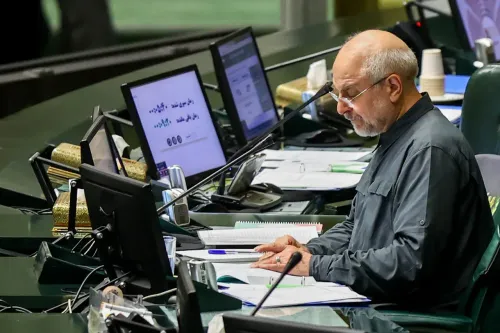
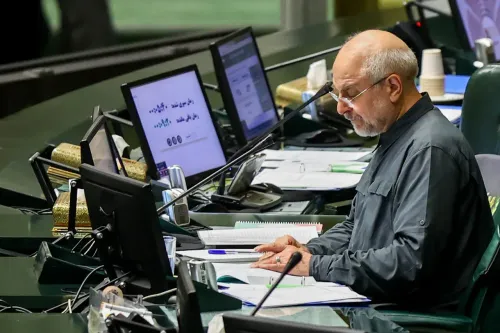
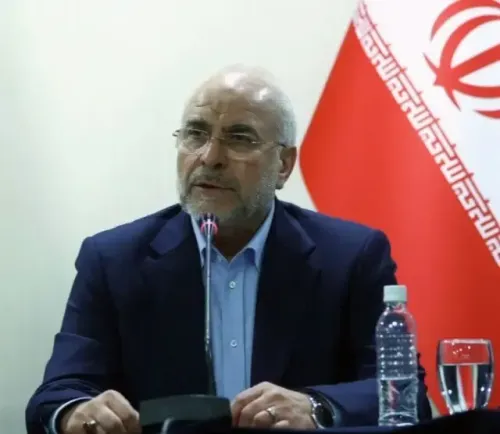
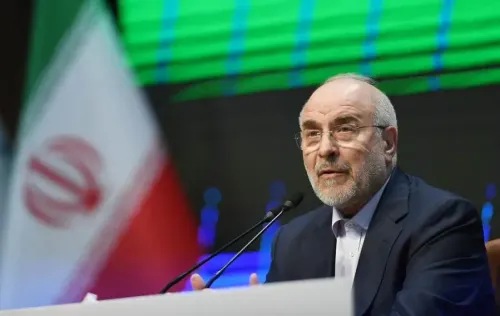
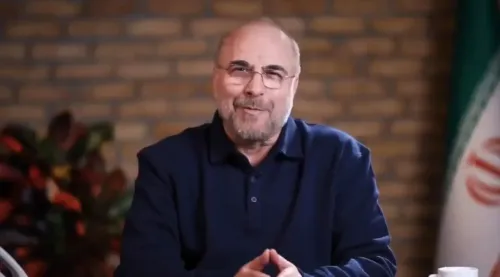
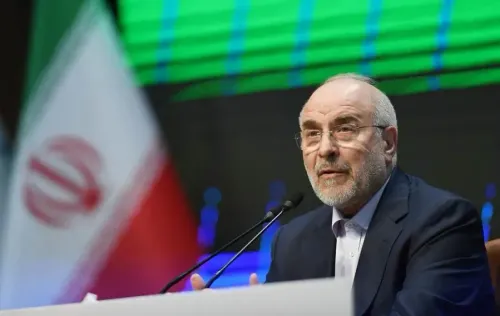
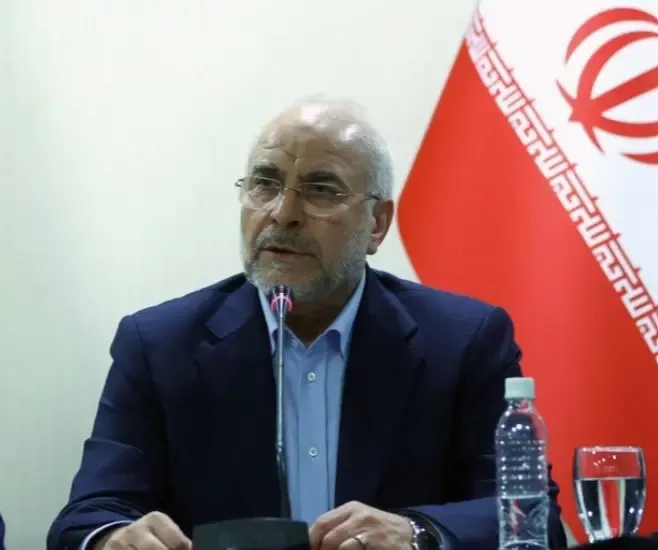
Tehran, April 13 (NationPress) - Iran's Parliament Speaker Mohammad Baqer Qalibaf stated that the sole avenue for the United States to navigate out of the present predicament lies in its commitment to earn the trust of the Iranian populace.
He expressed these views during a press briefing upon his return to Iran from a diplomatic visit to Pakistan, where he and his team participated in peace discussions with a US delegation, as reported by Xinhua news agency.
Qalibaf emphasized, "The United States owes a debt to the Iranian people and must strive diligently to rectify this situation."
He added, "Should they adopt a confrontational stance, we will respond likewise; if they engage with reason, we will reciprocate with reason. We will not yield to intimidation." He further remarked, "They can once again assess our resolve, and we will impart a more significant lesson to them."
Describing the negotiations with the US team in Islamabad as quite intense, serious, and challenging, Qalibaf noted that Iran's delegation, leveraging the expertise of capable professionals and adopting a comprehensive and varied perspective, crafted excellent initiatives to showcase Iran's goodwill, which contributed to the advancement of the discussions.
"From the outset, we made it clear that we have no trust in the Americans. Our skepticism dates back 77 years, especially considering that they launched two attacks on us in less than a year amid negotiations. Therefore, it is they who must work to regain our trust," he affirmed.
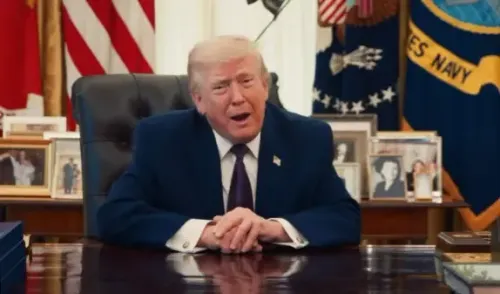
Additionally, Qalibaf dismissed recent threats made by US President Donald Trump against Iran, asserting that such threats have no bearing on the Iranian people.
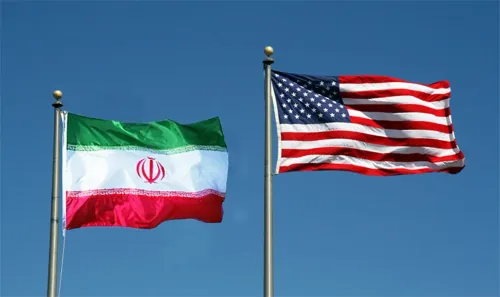
On Saturday and early Sunday, the Iranian and American delegations engaged in extensive discussions in Islamabad. However, these talks did not yield an agreement and occurred following a ceasefire declared on Wednesday between Iran, the United States, and Israel, concluding 40 days of conflict.
Point of View
It is clear that the stakes are high in the negotiations between Iran and the United States. The call for trust highlights the deep-seated issues surrounding their relationship, and understanding the historical context is essential to grasp the potential for future dialogues.
NationPress
19 Sept 2026
Frequently Asked Questions
What did Mohammad Baqer Qalibaf say about US-Iran relations?
He stated that the US must earn the trust of the Iranian nation to find a way out of the current situation.
How did the recent talks between Iran and the US conclude?
The discussions held in Islamabad did not result in an agreement, despite being intense and serious.
What historical context did Qalibaf mention?
He referred to a 77-year history of distrust towards the United States, citing past attacks during negotiations.