UK MPs demand independent probe into PoK crackdown, 40+ civilians killed
Synopsis
British MPs and Amnesty International's Secretary General have publicly demanded an independent investigation into a crackdown in Pakistan-occupied Kashmir where over 40 civilians were reportedly killed. The UK's cross-party Kashmir parliamentary group is now pushing both Pakistan's High Commission and British Foreign Office ministers — a rare dual-track diplomatic escalation that signals growing international pressure on Islamabad.
Key Takeaways
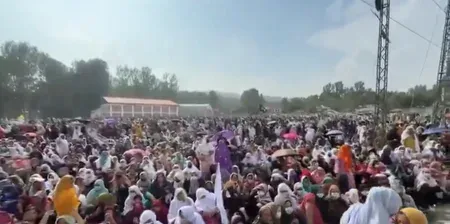
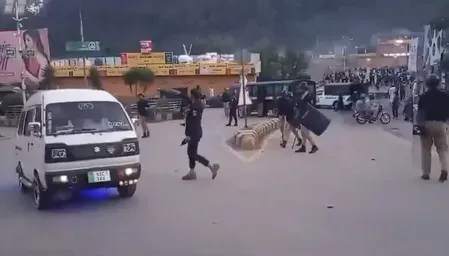
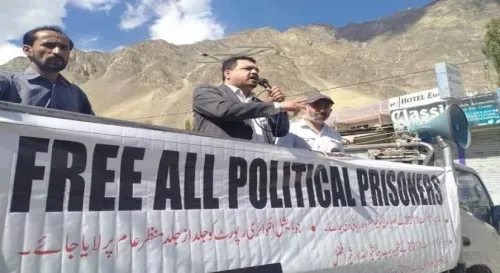
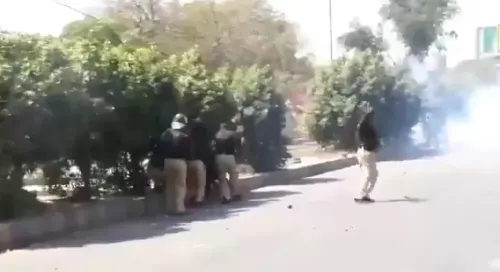
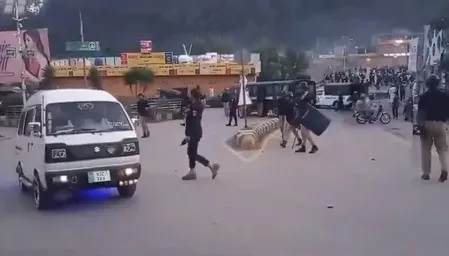
Over 40 civilians were reportedly killed and dozens critically injured in a crackdown by Pakistani security forces in Pakistan-occupied Kashmir (PoK) .
Labour MP Liam Byrne and the All Party Parliamentary Group on Kashmir demanded urgent talks with Pakistan's High Commission in London and a meeting with UK Foreign Office ministers .
MP Adnan Hussain called for a 'full, independent and transparent investigation' into the use of force by Pakistani authorities.
Amnesty International Secretary General Agnes Callamard described the violence as part of Pakistan's 'long-standing pattern of unlawful violence' against protesters in PoK.
A communications blackout in the region, including internet and mobile services, is hampering independent verification of events on the ground.
The unrest reportedly coincided with legislative assembly elections in PoK.
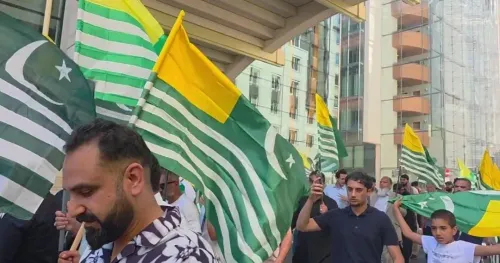
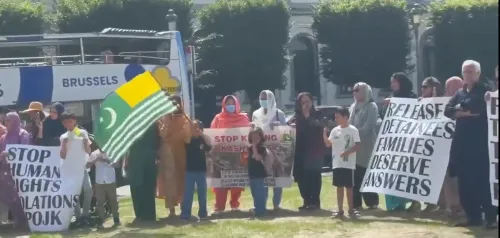
Several British parliamentarians have raised urgent alarm over the escalating crisis in Pakistan-occupied Kashmir (PoK), where over 40 civilians were reportedly killed and dozens critically injured following a brutal crackdown by Pakistani security forces. The calls, made in London on 30 July, demand both diplomatic intervention and an independent investigation into what lawmakers described as grave human rights violations.
What British Lawmakers Are Demanding
Labour Party MP Liam Byrne, speaking on behalf of the All Party Parliamentary Group (APPG) on Kashmir — a cross-party body within the UK Parliament — said reports of live fire being used against peaceful protesters in PoK are 'deeply alarming.' He described the communications blackout and human rights abuses in the territory as 'completely unacceptable.'
Byrne outlined two immediate demands from the APPG: urgent talks with Pakistan's High Commission in London, and a meeting with UK Foreign Office ministers to ensure representations are being made 'at the highest level' to the government of Pakistan. 'Ultimately, what is needed here is to honour the long-term commitments made in UN resolutions all those years ago. But in the here and now, we need the violence to stop,' Byrne stated. He further called for 'immediate de-escalation' and the protection of Kashmiri human rights.
Second MP Calls for Transparent Investigation
British MP Adnan Hussain called the killing of civilians in PoK a 'tragedy' and stressed that any use of excessive or unlawful force by Pakistani authorities must be subject to a 'full, independent and transparent investigation.' Hussain urged all parties to 'exercise restraint, protect civilian life and engage in peaceful dialogue,' adding that lasting solutions could only come through 'calm, constructive engagement rather than further violence or escalation.'
Amnesty International Flags 'Pattern of Unlawful Violence'
Amnesty International Secretary General Agnes Callamard said the disturbing reports emerging from Rawalakot in PoK reflected Pakistan's 'long-standing pattern of unlawful violence' against protesters in the occupied territory. In a post on X, Callamard called on Pakistani authorities to immediately lift the communications blackout, which she warned was 'severely impeding the independent verification of the full extent of the situation on the ground.'
Callamard also urged authorities to allow media and independent observers into the region, and demanded that 'a prompt, independent, and transparent investigation must be ordered into the security forces' use of force against protesters.' The unrest reportedly coincided with so-called legislative assembly elections in PoK.
Broader Context and What Comes Next
The crisis in PoK has drawn renewed international scrutiny at a time when human rights organisations have repeatedly flagged restrictions on civil liberties in the region. Notably, this is not the first time British parliamentarians have raised the Kashmir issue — the APPG on Kashmir has a history of advocacy on the subject — but the scale of reported casualties marks a significant escalation. The communications blackout, critics argue, is itself a tool of suppression that prevents accountability. With the UK Parliament now formally engaged and Amnesty International adding institutional pressure, Pakistani authorities face mounting calls for transparency that will be difficult to dismiss.
Point of View
Since without independent access, casualty figures and the sequence of events remain unverifiable. Amnesty's invocation of a 'long-standing pattern' is a deliberate escalation in language, signalling that this is being framed as systemic rather than situational. Pakistan now faces a rare convergence of legislative and civil-society pressure from a major Western democracy, and how Islamabad responds — or fails to — will shape the next phase of international engagement on PoK.
NationPress
13 Sept 2026
Frequently Asked Questions
What happened in Pakistan-occupied Kashmir that prompted UK MPs to speak out?
Over 40 civilians were reportedly killed and dozens critically injured after Pakistani security forces cracked down on protesters in Pakistan-occupied Kashmir (PoK). The violence, which coincided with reported legislative assembly elections in the region, also triggered a communications blackout cutting off internet and mobile services.
What are British MPs demanding in response to the PoK crackdown?
The All Party Parliamentary Group on Kashmir, led by Labour MP Liam Byrne, is demanding urgent talks with Pakistan's High Commission in London and a meeting with UK Foreign Office ministers to ensure diplomatic representations are made at the highest level to the Pakistani government. MP Adnan Hussain separately called for a full, independent, and transparent investigation into the use of force.
What has Amnesty International said about the situation in PoK?
Amnesty International Secretary General Agnes Callamard said the reports from Rawalakot in PoK reflect Pakistan's 'long-standing pattern of unlawful violence' against protesters. She called for an immediate lifting of the communications blackout, media access, and a prompt independent investigation into the security forces' conduct.
Why is the communications blackout in PoK significant?
The blackout — covering internet and mobile services — is preventing independent verification of the scale and nature of the violence. Amnesty International has warned it 'severely impedes' efforts to establish the full picture on the ground, effectively shielding Pakistani security forces from immediate accountability.
What is the All Party Parliamentary Group on Kashmir?
The All Party Parliamentary Group (APPG) on Kashmir is a cross-party body within the UK Parliament that advocates on issues relating to Kashmir. It has a history of raising human rights concerns about the region and has now formally demanded diplomatic action from both Pakistan's High Commission and the British Foreign Office.