PoK human rights crisis: British MPs urge Pakistan to end crackdown
Synopsis
British MPs took the PoK crisis to the floor of Parliament on 8 July, citing over 30 dead and 200 injured — including British nationals — in a Pakistani security crackdown. With a communications blackout, food supply restrictions, and criminalised grassroots groups, lawmakers are pressing London to summon Pakistan's High Commissioner and intervene diplomatically on behalf of 1 million British Kashmiris.
Key Takeaways
British MPs raised the PoK human rights crisis in the House of Commons on 8 July .
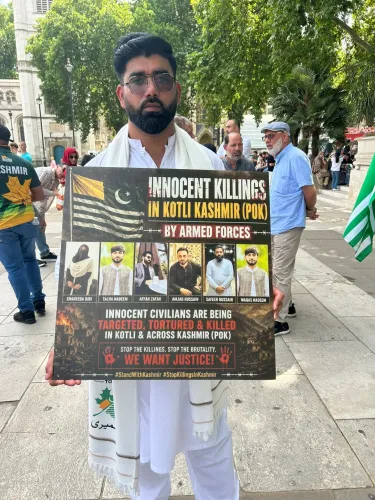
Pakistani security forces reportedly killed more than 30 people and injured over 200 , including British nationals , during a crackdown on peaceful protesters.
The region is under a strict lockdown , curfew , and a complete communications blackout , with reports of restrictions on food and medical supplies .
Bob Blackman (Conservative) demanded the British government summon Pakistan's High Commissioner over the violence.
Imran Hussain called on the government to appeal directly to Pakistan's Prime Minister and protect the interests of 1 million British Kashmiris .
The Joint Awami Action Committee , a grassroots group, had reportedly sought peaceful negotiations for months before the crackdown.
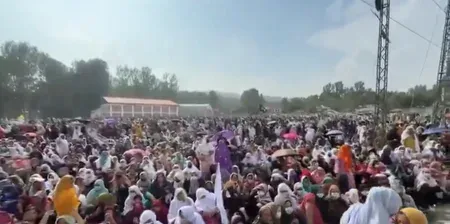
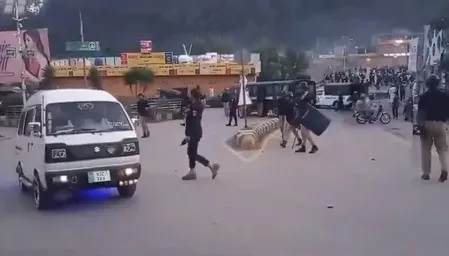
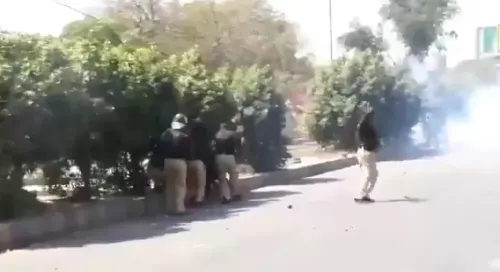
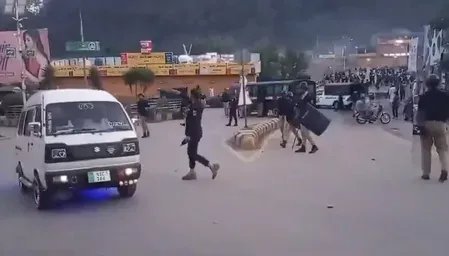
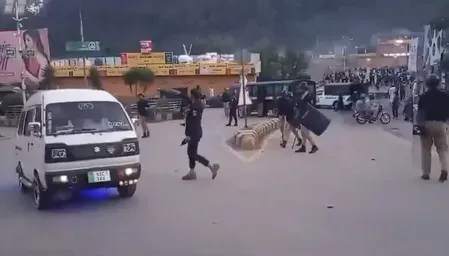
Several British parliamentarians raised urgent concerns in the House of Commons on 8 July over the deepening human rights crisis in Pakistan-occupied Kashmir (PoK), where Pakistani security forces have reportedly opened fire on civilian protesters, killing more than 30 people and injuring over 200, including British nationals. The region, according to lawmakers, remains under a strict lockdown, curfew, and a total communications blackout.
What British MPs Said in Parliament
Bob Blackman, leader of the UK Conservative Party and Member of Parliament, directly challenged the British government over its response. Blackman asked whether the Secretary of State had summoned Pakistan's High Commissioner to account for the reported violence and what concrete steps had been taken to protect civilians on the ground.
'In Pakistan-occupied Kashmir, the Pakistani security forces have fired on peaceful demonstrators standing for human rights and for the rights to food and for proper security in their area. More than 30 people were killed and more than 200 injured, including British nationals. So what action has the Secretary of State taken to actually call in the Pakistani High Commissioner and say, not only is this unacceptable, what action is being taken to protect innocent bystanders?' Blackman said.
Concerns Over Food, Medical Access, and Arbitrary Arrests
MP Imran Hussain raised additional alarm over what he described as 'continued bloodshed, arbitrary arrests, restrictions on communication, and a breakdown in dialogue with representatives of grassroots groups' in PoK. He flagged reports suggesting that restrictions on the movement of food and medical supplies into parts of the region were creating a humanitarian crisis.
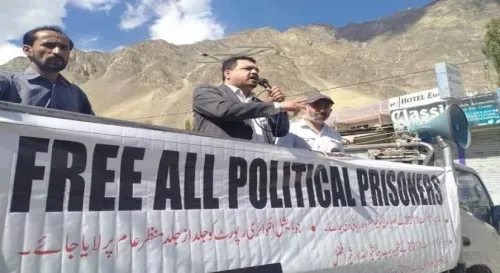
Hussain pointed to the Joint Awami Action Committee, a grassroots organisation that had for months sought to pursue peaceful negotiations around long-standing civic governance and economic concerns. 'There was a commitment that those issues would be resolved through dialogue. Criminalising grassroots movements can never be a solution,' he stated.
Demands Placed Before the British Government
Hussain urged the British government to send a direct appeal to Pakistan's Prime Minister and authorities in PoK to end the crisis immediately. He called for the lifting of the communications blackout, the removal of restrictions on food and medical supplies, the immediate access of peaceful mediators, and the resumption of meaningful dialogue with grassroots groups.
He also invoked the interests of the 1 million British Kashmiris affected by the situation, pressing the government to deploy 'every appropriate diplomatic channel to encourage restraint, de-escalation, and dialogue.'
Broader Context and Regional Significance
This comes amid a sustained period of unrest in PoK, where civic groups have reportedly been pressing Pakistani authorities over subsidies, food prices, and governance for several months. The reported use of lethal force against protesters, combined with a communications blackout, has drawn comparisons to earlier crackdowns in the region. Notably, the presence of British nationals among the reported casualties adds a direct consular dimension to what might otherwise be treated as a bilateral South Asian issue.
The British government's formal response to the parliamentary questions raised by Blackman and Hussain has not yet been detailed publicly. How London chooses to engage Islamabad — a Commonwealth partner — on this issue will be closely watched by diaspora communities and human rights organisations alike.
Frequently Asked Questions
What is happening in Pakistan-occupied Kashmir (PoK)?
Pakistani security forces have reportedly opened fire on civilian protesters in PoK, killing more than 30 people and injuring over 200, including British nationals. The region is under a strict lockdown, curfew, and a complete communications blackout, with reports of restrictions on food and medical supplies.
Why did British MPs raise the PoK crisis in Parliament?
British MPs raised the issue because British nationals are reportedly among those killed or injured in the crackdown. With around 1 million British Kashmiris affected by the situation, lawmakers argued the British government has both a consular and a diplomatic obligation to respond.
What did MP Bob Blackman demand from the British government?
Bob Blackman asked whether the British Secretary of State had summoned Pakistan's High Commissioner over the reported violence and what steps had been taken to protect innocent bystanders, including British nationals caught in the crackdown.
Who is the Joint Awami Action Committee and what role have they played?
The Joint Awami Action Committee is a grassroots organisation in PoK that had reportedly sought peaceful negotiations with Pakistani authorities for months over civic governance and economic concerns. MP Imran Hussain argued that criminalising such groups is not a solution and called for dialogue to resume immediately.
What has the British government been asked to do about the PoK situation?
Lawmakers have urged the British government to send a direct appeal to Pakistan's Prime Minister, summon Pakistan's High Commissioner, press for an end to the communications blackout, lift restrictions on food and medical supplies, and use all appropriate diplomatic channels to encourage restraint and de-escalation.