PoK protests: Kashmiri diaspora marches to Downing Street over Pakistan crackdown
Synopsis
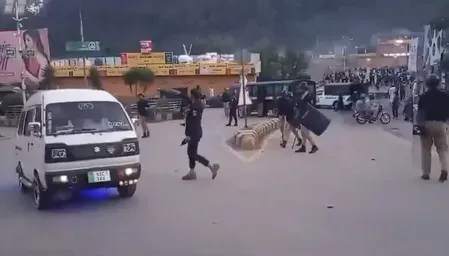
Over a million Kashmiris call the UK home — and on 22 June, their community took that weight to Downing Street. With reports of 20 to 30 deaths, 200-plus injuries, and a food and medicine blockade in PoK, the protest signals that Pakistani authorities' crackdown is no longer a regional story. It is landing at the door of the British Prime Minister.
Key Takeaways
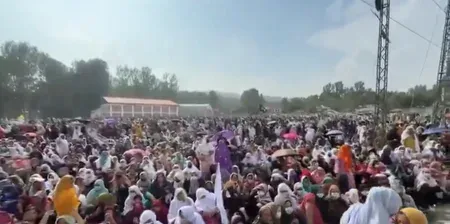
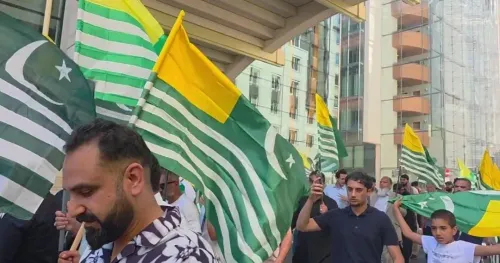
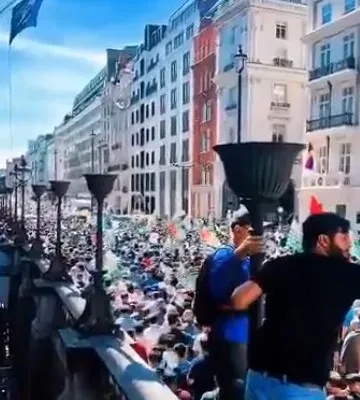
Kashmiri diaspora members marched from the British Parliament to 10 Downing Street on 22 June to protest alleged atrocities in Pakistan-occupied Kashmir (PoK) .
Protesters alleged a blockade by Pakistani authorities is preventing food and medicine from reaching PoK residents, causing civilian deaths.
Conservative MP Bob Blackman told Parliament Pakistani forces used live ammunition on peaceful protesters and made arbitrary arrests.
Official Pakistani figures cite at least 11 deaths ; protester groups report 20 to 30 deaths and over 200 injuries .
Demonstrators called on the UK government to protect British nationals reportedly stranded or injured in PoK.
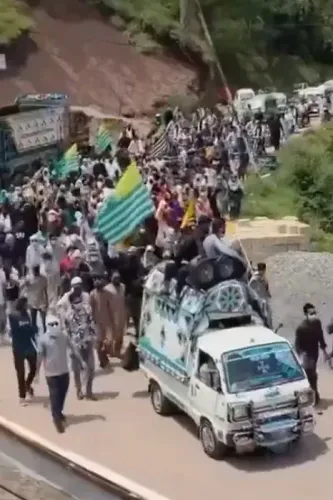
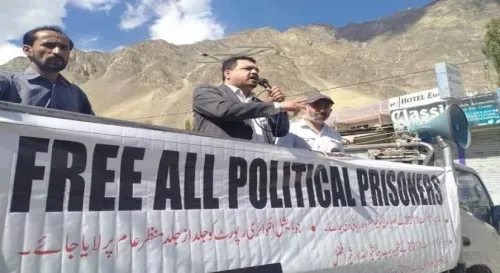
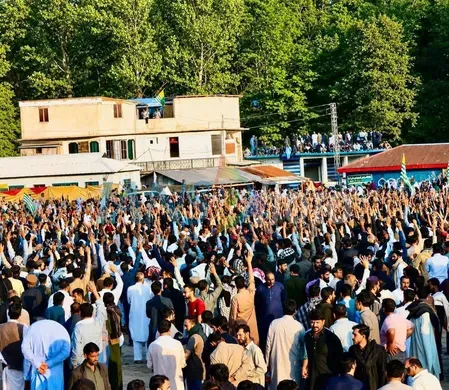
The Joint Awami Action Committee (JAAC) has been leading protests in PoK demanding food subsidies, electricity, and healthcare access.
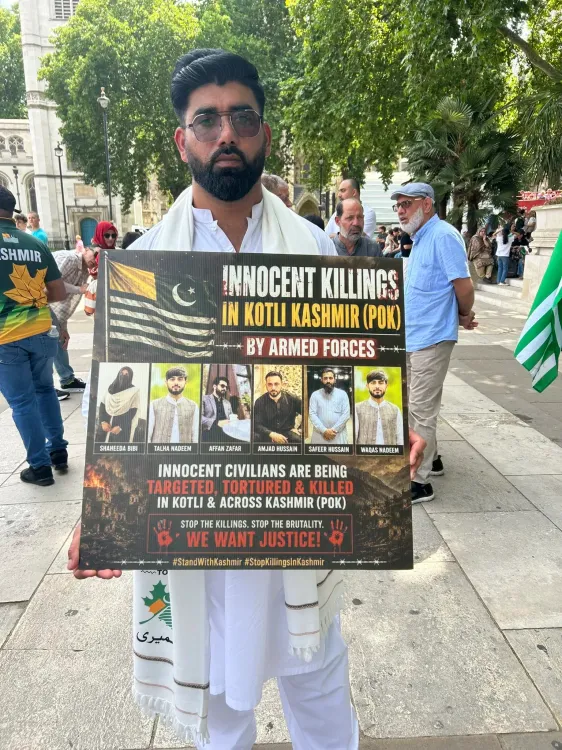
Members of the Kashmiri diaspora in the United Kingdom staged a demonstration outside the British Parliament in London on 22 June, before marching to 10 Downing Street to condemn alleged food blockades and the killing of civilians in Pakistan-occupied Kashmir (PoK) by Pakistani forces. Protesters urged the UK government to intervene urgently on humanitarian grounds.
What the Protesters Demanded
Demonstrators carried banners reading 'Stop the killings' and 'Human without human rights' as they made their way through central London. One protester alleged that food supplies and medicines were being blocked from reaching several areas in PoK by Pakistani authorities, causing severe hardship for residents.
'People are dying because of hunger. People dying before they can reach the hospital. It's totally unacceptable. You have over a million Kashmiris living in the UK. You have responsibility here. You need to intervene for the sake of humanity,' the protester said, directly addressing the British government.
The demonstrators issued a three-point call to action: the immediate lifting of what they described as a humanitarian blockade and curfew conditions, the restoration of food supply chains, and the restoration of medicine access to hospitals and elderly patients. They also called on the UK government to ensure the safety of British nationals reportedly stranded in PoK.
British MP Condemns Pakistan's Crackdown
The protest follows remarks made in the British Parliament the previous week by Bob Blackman, the Conservative Party leader and Member of Parliament, who strongly condemned what he described as a 'despicable action' by Pakistani authorities against protesters in PoK.
Speaking in the House, Blackman stated: 'The illegal occupation of part of the Kashmir Valley by Pakistan has been going on since 1947. Recently the Joint Awami Action Committee, which has operated in the illegally occupied part of Kashmir, has been demonstrating for basic rights to food, electricity, and healthcare.'
Blackman added that Pakistani forces had reportedly launched a severe crackdown, with official Pakistani figures citing at least 11 deaths and many injuries, while protester groups reported 20 to 30 deaths and over 200 injuries. He also flagged reports of arbitrary arrests and the use of live ammunition on peaceful protesters, and indicated that a number of British nationals may have been injured.
Background: Unrest in PoK
The Joint Awami Action Committee (JAAC), a civil society grouping active in Pakistan-occupied Kashmir, has been at the forefront of protests demanding basic rights including food subsidies, reliable electricity, and access to healthcare. The movement has drawn international attention as reports of a security crackdown and civilian casualties have surfaced. This comes amid longstanding disputes over the status of the region, which has been under Pakistani administration since 1947.
Notably, the divergence between official Pakistani casualty figures and those reported by protester groups underscores the difficulty of independently verifying ground conditions in the region.
What Happens Next
It remains to be seen whether the UK government will formally raise the matter with Islamabad. The presence of a significant Kashmiri diaspora — reportedly over one million people — gives the issue political weight in British domestic politics. Advocacy groups say they will continue pressure campaigns until the blockade is lifted and an independent humanitarian assessment is permitted.
Point of View
Casualty figures become contested political facts. Britain's large Kashmiri diaspora gives Westminster unusual leverage here, but the UK government has so far stopped short of a formal diplomatic intervention. Whether that changes will depend less on humanitarian pressure and more on how loudly this registers in marginal constituencies with significant Kashmiri populations — a political calculus that rarely makes the headlines but almost always shapes the response.
NationPress
21 Sept 2026
Frequently Asked Questions
Why did the Kashmiri diaspora protest outside the British Parliament and Downing Street?
Members of the Kashmiri diaspora in the UK marched to Downing Street on 22 June to demand British government intervention over alleged food and medicine blockades and the killing of civilians in Pakistan-occupied Kashmir (PoK) by Pakistani forces. Protesters said the situation amounted to a humanitarian crisis requiring urgent international attention.
What is the Joint Awami Action Committee and why is it significant?
The Joint Awami Action Committee (JAAC) is a civil society grouping active in Pakistan-occupied Kashmir that has been leading protests demanding basic rights including food subsidies, electricity, and healthcare. Its demonstrations triggered what protesters describe as a severe Pakistani security crackdown, prompting international concern.
How many people have reportedly been killed in PoK?
According to Pakistani official figures, at least 11 people have been killed. However, protester groups have reported between 20 and 30 deaths and over 200 injuries. Independent verification of the figures is difficult given restricted access to the region.
What did UK MP Bob Blackman say about the situation in PoK?
Conservative MP Bob Blackman told the British Parliament that Pakistani forces had launched a severe crackdown, using live ammunition on peaceful protesters and making arbitrary arrests. He described the action as 'despicable' and flagged that British nationals may have been among those injured.
What are British Kashmiris asking the UK government to do?
Protesters have urged the UK government to immediately call for the lifting of the blockade and curfew, demand the restoration of food and medicine supply routes, and take steps to protect British nationals reportedly stranded or injured in Pakistan-occupied Kashmir.