UK MPs condemn Pakistan over 'excessive, unlawful' force on PoK protesters
Synopsis
British MPs have taken the extraordinary step of tabling a formal parliamentary motion condemning Pakistan's use of force in PoK — a move driven not just by human rights concerns but by the distress of UK constituents unable to reach family members in a blacked-out region. With British nationals reportedly detained and the JAAC branded a terrorist outfit days before a planned protest, the crackdown is drawing rare and direct scrutiny from a Western legislature.
Key Takeaways
Several UK parliamentarians tabled a motion in Parliament on 11 June condemning 'excessive or unlawful' force against protesters in Pakistan-occupied Kashmir (PoK) .
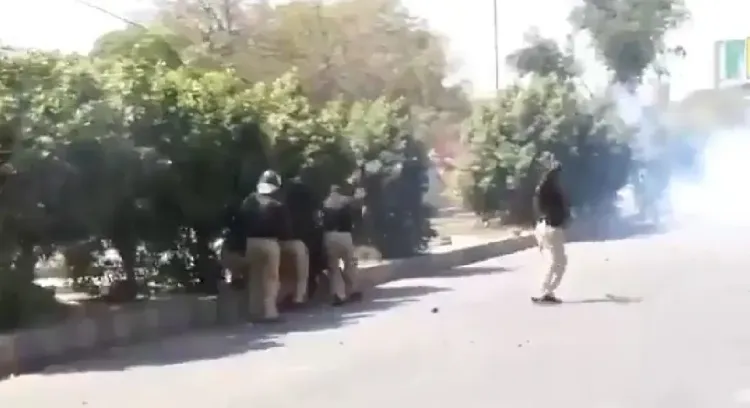
Clashes in Rawalakot have reportedly left several people dead and hundreds injured .
Pakistani authorities designated the Joint Awami Action Committee (JAAC) a proscribed group under anti-terrorism laws ahead of a planned protest on 9 June .
British Kashmiris and UK residents have been unable to contact relatives in PoK due to a reported communications blackout .
MPs wrote separately to Foreign Secretary Yvette Cooper demanding enhanced consular support and diplomatic intervention.
Parliamentarians called for the immediate lifting of the lockdown , restoration of communications, and release or court production of all detainees.
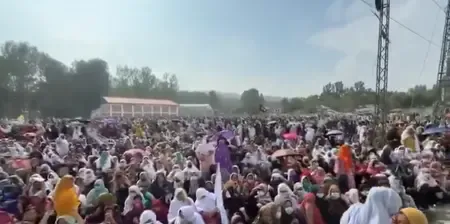
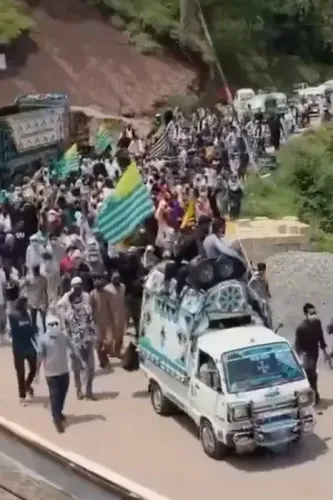
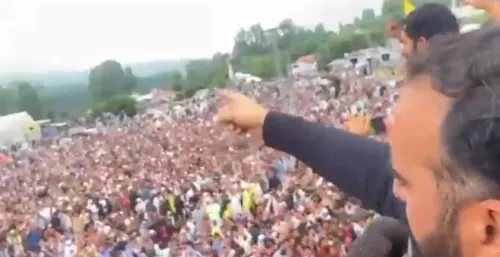
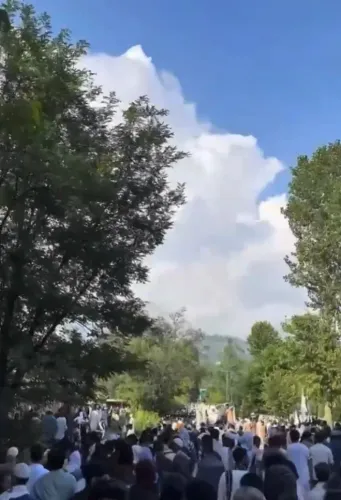
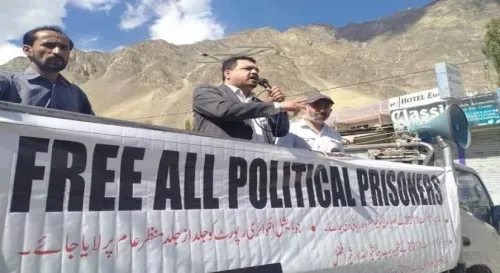
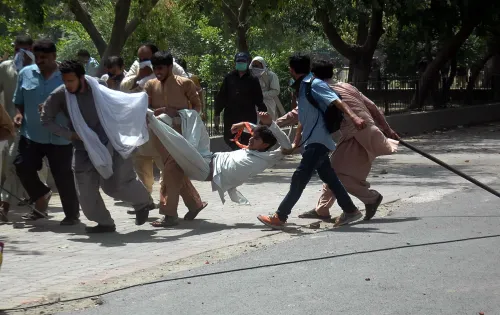
Several British parliamentarians have formally condemned what they described as the 'excessive or unlawful' use of force against 'peaceful protesters and civil society representatives' in Pakistan-occupied Kashmir (PoK), raising the matter through a motion tabled in the UK Parliament on 11 June. The motion follows deadly clashes in Rawalakot city in which several people were reportedly killed and hundreds injured during confrontations between law enforcement and demonstrators.
What the Parliamentary Motion Demands
The signatories called for the immediate restoration of communications, the lifting of all lockdown restrictions, and safe medical access for injured persons. They further demanded the release or prompt production before court of all detainees and urged the government of Pakistan to resume dialogue with peaceful protesters and civil society groups.
The motion explicitly stated that 'peaceful advocacy for constitutional reform, democratic equality, accountable governance, freedom of expression, and peaceful assembly should not be criminalised.' The parliamentarians also urged the UK government to deploy all appropriate diplomatic channels to facilitate de-escalation and a peaceful resolution that upholds human rights in the region.
Concerns Over British Nationals and British Kashmiris
A key driver of the parliamentary intervention has been the distress among British Kashmiris and other UK residents who have been unable to reach relatives in PoK, including British citizens reportedly present in the region. In a separate letter addressed to UK Secretary of State for Foreign, Commonwealth, and Development Affairs Yvette Cooper, lawmakers wrote: 'We have been contacted by numerous constituents from across the United Kingdom who report being unable to contact relatives and loved ones in the region. This has caused significant anxiety and distress amongst British Kashmiris, many of whom are understandably concerned about the welfare and safety of their families.'
The letter also flagged reports of arrests involving British nationals and called on the government to enhance consular support for those affected.
Background: JAAC Proscription and the June 9 Protests
The unrest in PoK intensified after Pakistani authorities in the occupied territory designated the Joint Awami Action Committee (JAAC) a proscribed organisation under anti-terrorism laws, days before its planned protest on 9 June. The JAAC had been mobilising residents around demands for constitutional reform and greater democratic rights. Critics argue the proscription was a deliberate move to suppress legitimate civic dissent ahead of a scheduled demonstration.
Notably, this is not the first time the JAAC has led mass mobilisation in PoK — the committee had previously organised large-scale protests over subsidies and governance, drawing significant public participation and drawing attention to the region's political marginalisation.
Reported Clashes and Conditions on the Ground
According to reports, clashes between law enforcement and protesters in Rawalakot have resulted in several fatalities and hundreds of injuries. Parliamentarians flagged communications blackouts and lockdown measures that have severely restricted the flow of information out of the region. They also raised concerns about the denial of due process for detainees and obstacles to safe medical access for the injured.
What Happens Next
The UK parliamentarians have urged Yvette Cooper and the broader government to engage urgently and prevent further escalation. With British nationals reportedly among those affected, there is growing pressure on London to take a more assertive diplomatic stance. Whether Pakistan responds to international calls for dialogue and de-escalation remains to be seen, but the parliamentary motion marks a significant formal escalation of concern at the highest levels of British political life.
Point of View
Timed precisely to pre-empt a scheduled protest, follows a pattern of using security legislation to delegitimise civilian dissent rather than address its root causes. What makes this moment distinct is the British Kashmiri diaspora dimension: when MPs cite constituent distress over communications blackouts, the issue crosses from foreign policy into domestic politics, raising the stakes for the UK government's response. Yvette Cooper will face pressure to move beyond diplomatic language.
NationPress
26 Oct 2026
Frequently Asked Questions
Why are UK MPs condemning Pakistan over PoK?
UK parliamentarians condemned Pakistan after reports of deadly clashes in Rawalakot, a communications blackout, mass arrests, and lockdown measures in Pakistan-occupied Kashmir. Several British Kashmiris and UK residents have been unable to contact family members in the region, prompting MPs to raise the matter formally in Parliament.
What is the Joint Awami Action Committee (JAAC)?
The JAAC is a civil society body in PoK that has organised mass protests over governance, subsidies, and democratic rights. Pakistani authorities in the occupied territory designated it a proscribed group under anti-terrorism laws days before its planned protest on 9 June, a move critics say was intended to suppress legitimate dissent.
What are UK MPs demanding from Pakistan?
The parliamentarians have demanded the immediate lifting of the lockdown, full restoration of communications, safe medical access for the injured, release or court production of all detainees, and resumption of dialogue with peaceful protesters and civil society groups.
Are British nationals affected by the PoK crackdown?
Yes. UK parliamentarians flagged reports of arrests involving British nationals in PoK and raised concerns about the inability of British Kashmiris to reach relatives in the region. They wrote to Foreign Secretary Yvette Cooper calling for enhanced consular support for affected British citizens.
What has the UK government been asked to do?
MPs have urged the UK government to use all appropriate diplomatic channels to encourage de-escalation, facilitate the lifting of the lockdown, enhance consular support for British nationals, and engage urgently in constructive dialogue to secure a peaceful resolution that respects human rights in PoK.