UN Humanitarians Alarmed by Rising Violence in Sudan
Synopsis
The UN reports escalating violence in Sudan's North Darfur and South Kordofan, leading to increased civilian casualties and displacements. Over 600,000 have fled El Fasher in search of safety, with famine conditions confirmed in Abu Shouk camp. The humanitarian situation continues to deteriorate amid ongoing attacks and limited response funding.
Key Takeaways
Escalating violence in Sudan is raising alarms.
Over 600,000 people have fled North Darfur in the last 10 months.
Famine conditions reported in Abu Shouk camp.
More than 50 casualties in Kadugli due to airstrikes.
Over 13 million people in need of support.
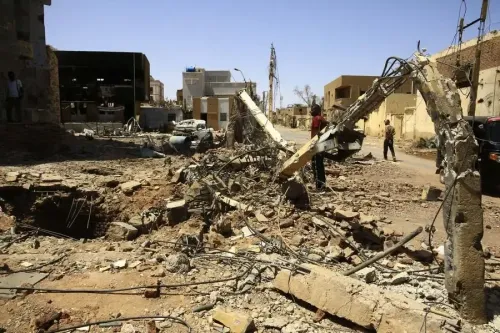
United Nations, Feb 5 (NationPress) The intensifying violence in Sudan's North Darfur and South Kordofan regions is leading to an alarming increase in civilian casualties and displacements, according to reports from UN humanitarians.
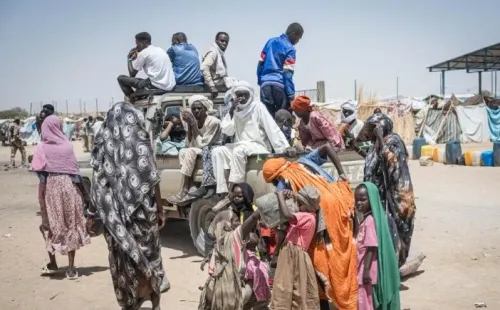
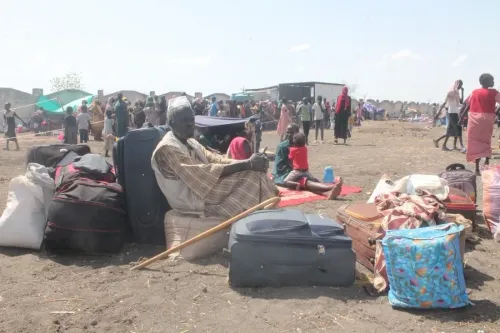
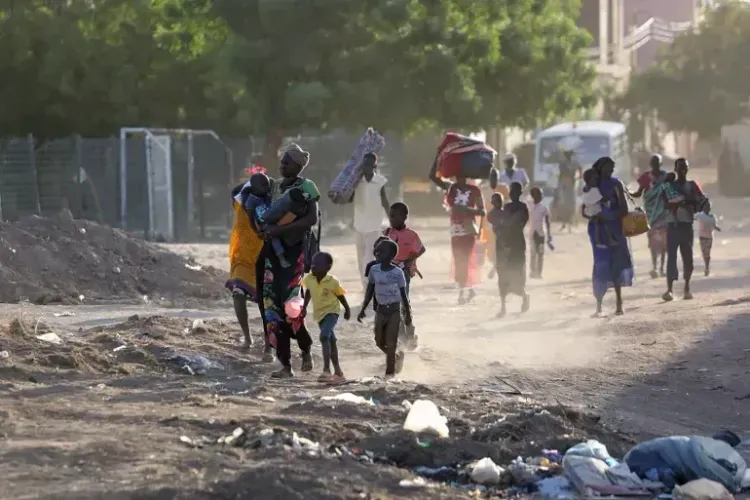
As per the International Organization for Migration (IOM), over the last 10 months, more than 600,000 individuals have fled from El Fasher and surrounding areas in North Darfur in search of safety, as reported by Xinhua news agency.
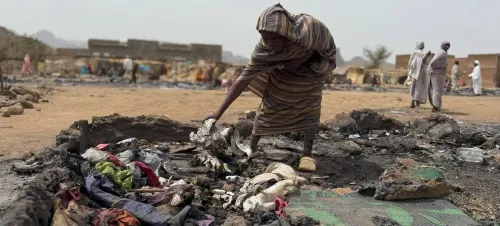
The UN Office for the Coordination of Humanitarian Affairs (OCHA) stated on Tuesday, "In recent weeks, numerous attacks have been documented throughout El Fasher and its vicinity, including the Abu Shouk displacement camp, the Saudi hospital, and the western regions of the town." It also confirmed that famine conditions were reported in the Abu Shouk camp in December and are anticipated to continue until May this year.
OCHA expressed grave concern over escalating violence in South Kordofan, which has seen clashes between the Sudanese army and the Sudan People's Liberation Movement-North.
Reports indicate that in the capital of South Kordofan, Kadugli, over 50 individuals, primarily women and children, lost their lives following a series of airstrikes on Monday, with more than two dozen others injured.
The UN’s resident humanitarian coordinator in Sudan, Clementine Nkweta-Salami, condemned the ongoing and escalating shelling, airstrikes, and drone attacks targeting civilians, labeling the violence as not warfare but a “merciless attack on human life.”
OCHA further noted that as the conflict persists across the nation, civilians face additional dangers from unexploded ordnance. Recently, two children were killed by such remnants in Gereida, located in South Darfur State. "That is what local humanitarian colleagues are informing us," OCHA stated.
The office emphasized that over 13 million people in Sudan require assistance to tackle the threats posed by explosive hazards, yet funding for humanitarian responses remains severely limited.