Is the UN Losing Its Relevance Amid US Funding Cuts?
Synopsis
With the UN's credibility under threat from reduced funding and calls for reform, global leaders like Modi stress the need for adaptation to modern realities. Can the UN regain its effectiveness amidst these challenges?
Key Takeaways
The UN is facing a crisis of relevance due to funding cuts and calls for reform.
Global leaders are advocating for necessary changes in the UN structure.
US withdrawal from UN entities could severely impact its funding and operations.
Reform in international institutions is essential to meet contemporary challenges.
Funding shortfalls are a major contributor to the UN's operational difficulties.
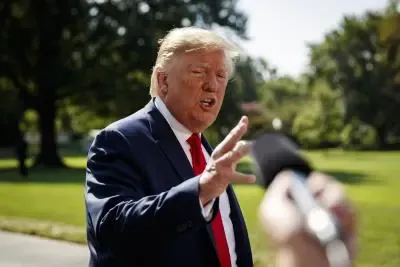
New Delhi, Jan 8 (NationPress) In a world where its influence is waning, the United Nations finds itself under significant pressure following US President Donald Trump’s recent announcement to withdraw from several of its entities and dramatically reduce voluntary contributions.
The organization has struggled to adequately tackle the escalating armed conflicts and pervasive humanitarian challenges.
Global leaders, including Prime Minister Narendra Modi, have consistently called for crucial reforms to enhance the UN's relevance and effectiveness.
"For a brighter global future, it is essential that international systems align with the current realities. The United Nations Security Council serves as a prime example. When established, the global landscape was vastly different. Initially, there were 51 founding members, and today that number has grown to nearly 200," the Indian Prime Minister noted during the G20 Summit held in New Delhi in September 2023.
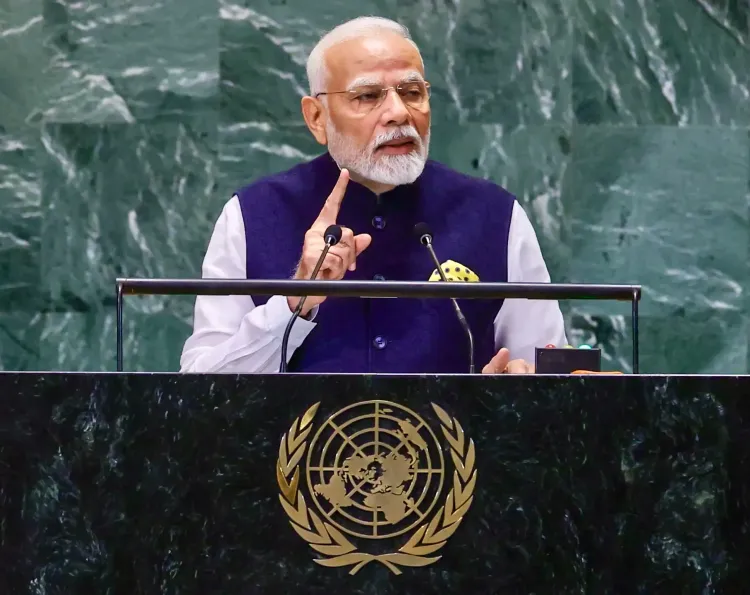
He reiterated these concerns in 2024 during his address at the United Nations General Assembly in New York, stressing the urgency for reforms in international frameworks, global collaboration, and the necessity for regulating technology to foster sustainable development.
Numerous leaders have echoed these sentiments.
At 80 years old, the United Nations is grappling with a crisis of credibility and capacity, exacerbated by structural paralysis, funding deficits, and a retreat from great powers.
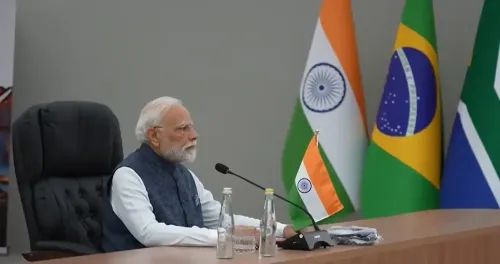
In November 2022, Prime Minister Modi emphasized at the India-Brazil-South Africa (IBSA) leaders’ summit that reforms to the UNSC are imperative, not optional.
As seen previously, an emergency UNSC meeting convened on Monday after the US military operation in Venezuela, which resulted in the capture of President Nicolas Maduro, concluded with a stalemate among leaders.
In other global conflicts, while President Trump claims to have halted over eight armed confrontations, the UN remains a bystander.
With Washington further slashing funds, the UN, already operating on a shoestring budget, faces severe constraints.
On Wednesday, Trump mandated the cessation of US involvement and funding for 31 United Nations entities and 35 additional organizations "at the earliest possible time," as detailed in a White House statement.
This follows a pattern of previous decisions by the President to withdraw from or reduce financial support to various UN bodies.
The current predicament of the United Nations stems from its repeated inability to implement substantial reforms: persistent structural issues (especially the composition and veto power of the UNSC), mission expansion, redundancy among agencies, and chronic funding instability. These flaws have left the organization exposed to competition among great powers and donor withdrawal, creating a vicious cycle where perceived ineffectiveness leads to reduced participation, which deepens operational deficiencies.
Amid a growing financial crisis, the United Nations appealed to member states for financial contributions last year.
"The United Nations is grappling with an escalating cash crisis that jeopardizes its ability to execute essential tasks," stated the world body in a May announcement, noting a significant shortfall in contributions—$2.4 billion in unpaid regular budget dues and $2.7 billion for peacekeeping—forcing the UN to cut expenditures, freeze hiring, and reduce some services.
"Officials cautioned that this could undermine the UN’s credibility and hinder its ability to meet mandates established by Member States."
As Prime Minister Modi previously emphasized: "It is a natural law that those who fail to adapt to changing times will inevitably lose their significance. We must critically assess why numerous regional forums have emerged in recent years, proving their efficacy."
Point of View
Our stance remains aligned with the nation’s interests, advocating for reform in international institutions to address global challenges effectively. The UN must evolve to meet the demands of the contemporary world.
NationPress
19 Sept 2026
Frequently Asked Questions
What are the main challenges faced by the UN?
The UN is currently struggling with funding shortfalls, structural issues, and a lack of effectiveness in addressing global crises.
What did President Trump announce regarding the UN?
President Trump decided to withdraw US funding and participation from several UN entities, which could significantly impact its operations.
Why is reform necessary for the UN?
Reform is essential to adapt to the current global landscape, enhance effectiveness, and restore credibility in its operations.