UN relief chief calls RSF commander Dagalo over Sudan escalation
Synopsis
The UN's top humanitarian official called the RSF commander directly as Sudan's civil war threatens another state capital. With at least 330 children killed or injured in the first half of 2026 and El Obeid potentially facing an imminent ground offensive, the crisis is deepening — and the gap between diplomatic calls and action on the ground has never been wider.
Key Takeaways
Tom Fletcher , UN Emergency Relief Coordinator, called RSF commander Mohamed Hamdan Dagalo on 7 July 2026 over Sudan's military escalation.
The call focused on hostilities in El Obeid , capital of North Kordofan , where the UN has warned of a possible imminent RSF ground offensive.
At least 18 children have been killed and 17 injured in El Obeid since May 2026 .
Across Sudan , at least 330 children were killed or injured in the first six months of 2026 , per UNICEF figures.
The RSF's capture of El Fasher in September–October 2025 was followed by a massacre of civilians, setting a grim precedent.
Sudan's civil war between the Sudanese Armed Forces and the RSF has been ongoing since April 2023 .
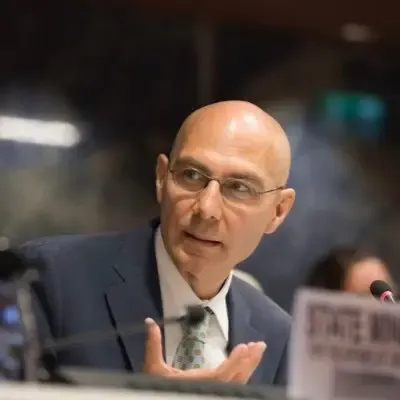
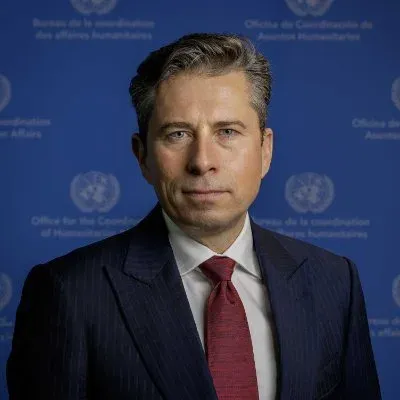
Tom Fletcher, the UN Under-Secretary-General for Humanitarian Affairs and Emergency Relief Coordinator, on 7 July 2026 directly called Mohamed Hamdan Dagalo, commander of Sudan's Rapid Support Forces (RSF), to raise urgent concerns over the intensifying military escalation in the country. The call, confirmed by the UN Office for the Coordination of Humanitarian Affairs (OCHA), focused on worsening hostilities, including in El Obeid, the state capital of North Kordofan.
What Fletcher Raised
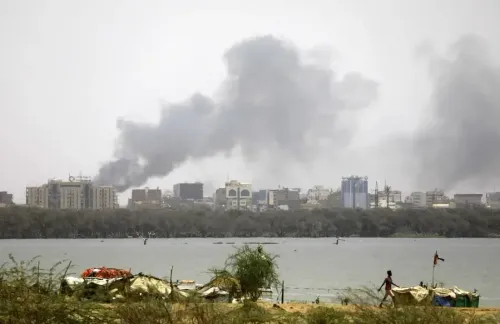
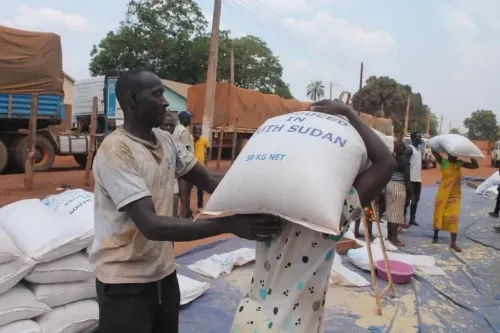
During the call, Fletcher pressed for the preservation of safe humanitarian access and unimpeded civilian movement. He also voiced alarm over drone strikes targeting civilians and the infrastructure they depend on. According to OCHA, the two discussed bureaucratic impediments that are hampering the ability of the UN and its non-governmental organisation partners to deliver life-saving relief.
UN Mission to El Obeid
Separately, Denise Brown, the UN resident and humanitarian coordinator in Sudan, concluded a field mission to El Obeid on Sunday, where she met with aid partners and directly observed the toll of recent attacks on civilians and civilian infrastructure. Her visit underscores the UN's growing concern that the city may be on the cusp of a major ground offensive.
Civilian Toll on Children
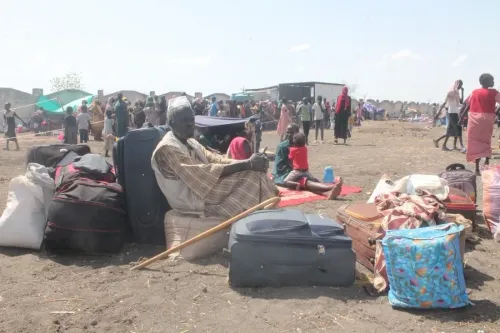
The human cost of the conflict is mounting. Since May 2026, at least 18 children have been killed and 17 others injured in El Obeid alone. Across Sudan, at least 330 children were killed or injured during the first six months of 2026, according to figures cited by OCHA from the UN Children's Fund (UNICEF). OCHA reiterated its call for the protection of civilians and civilian infrastructure, and demanded that all parties facilitate rapid, safe, and unhindered humanitarian access across the country.
Background: A War Entering Its Fourth Year
The civil war between the Sudanese Armed Forces (SAF) and the RSF erupted in April 2023 and has since become one of the world's most severe humanitarian crises. The UN sounded the alarm last month over a military buildup around El Obeid, warning it could signal an imminent RSF ground offensive. This comes after the RSF's siege and eventual capture of El Fasher, the capital of North Darfur state, in September and October 2025, which was followed by a massacre of civilians. The pattern of targeting state capitals suggests a deliberate strategic push by the RSF to seize administrative and logistical hubs.
What Happens Next
With El Obeid under threat, humanitarian agencies are racing to pre-position supplies before any potential siege cuts off access. The international community's ability to protect civilians will hinge largely on whether parties to the conflict honour commitments made during calls such as Fletcher's — a track record that, so far, has been deeply uneven.
Point of View
But the RSF's conduct since April 2023 — including the El Fasher massacre — raises serious questions about whether diplomatic engagement translates into restraint on the ground. The pattern of targeting state capitals is not incidental; it is strategic. El Obeid is not just a humanitarian flashpoint — it is a test of whether the international community has learned anything from the fall of El Fasher. The bureaucratic impediments Fletcher raised with Dagalo are themselves a weapon: when aid cannot move, sieges become more lethal without a single additional shot being fired.
NationPress
6 Oct 2026
Frequently Asked Questions
Why did the UN call the RSF commander about Sudan?
UN Emergency Relief Coordinator Tom Fletcher called RSF commander Mohamed Hamdan Dagalo on 7 July 2026 to raise concerns about escalating hostilities in Sudan, particularly around El Obeid . Fletcher pressed for safe humanitarian access, civilian protection, and an end to drone attacks on civilian infrastructure.
How many children have been affected by the Sudan conflict in 2026?
At least 330 children were killed or injured across Sudan in the first six months of 2026, according to UNICEF figures cited by OCHA . In El Obeid alone, at least 18 children were killed and 17 injured since May 2026.
What is the situation in El Obeid, Sudan?
El Obeid , the capital of North Kordofan state, is facing a potential RSF ground offensive, according to UN warnings issued last month. The UN's humanitarian coordinator in Sudan, Denise Brown , visited the city and witnessed the impact of attacks on civilians and infrastructure.
What happened in El Fasher that the UN is concerned about repeating?
The RSF besieged and captured El Fasher , the capital of North Darfur state, in September and October 2025 , after which a massacre of civilians occurred. The UN fears a similar pattern could unfold in El Obeid .
When did Sudan's civil war begin?
Sudan's civil war broke out in April 2023 between the Sudanese Armed Forces (SAF) and the Rapid Support Forces (RSF) . It has since become one of the world's gravest humanitarian emergencies, with millions displaced and widespread civilian casualties reported.