Are Summary Executions and Sexual Violence Still Happening in Sudan's El Fasher?
Synopsis
The situation in El Fasher, Sudan, remains dire as the RSF continues its reign of terror a week post-takeover. Reports of summary executions and rampant sexual violence against civilians, including women and children, paint a grim picture. The UN emphasizes the urgent need for aid amidst escalating violence and humanitarian crises.
Key Takeaways
Ongoing violence in El Fasher threatens civilian lives.
Urgent humanitarian aid is blocked by RSF.
Over 71,000 people have fled the area since the takeover.
Dire conditions in Tawila with a lack of basic necessities.
Funding for humanitarian efforts is critically low.
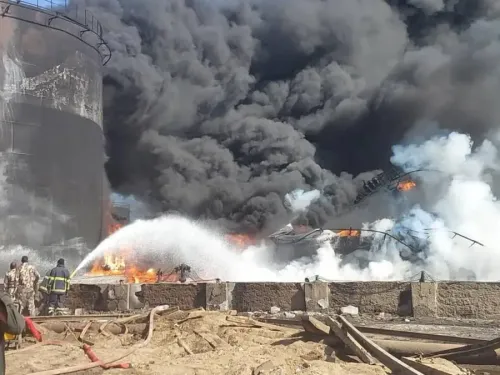
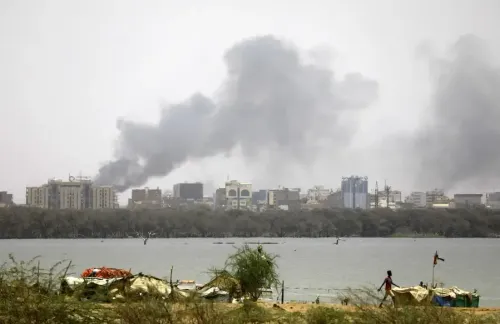
United Nations, Nov 4 (NationPress) More than a week after the Rapid Support Forces (RSF) seized control of El Fasher in Sudan, reports indicate that summary executions and sexual violence against civilians persist, according to humanitarian sources from the UN.
The UN Office for the Coordination of Humanitarian Affairs (OCHA) has disclosed that credible accounts of these crimes against civilians, including women and children, have emerged from the besieged capital of North Darfur, as reported by Xinhua news agency.
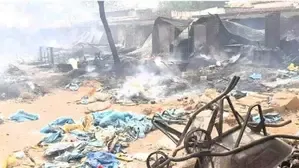
OCHA stated, "Hundreds of civilians, inclusive of humanitarian personnel, have purportedly been killed, while numerous others are trapped within the city, lacking adequate communication with the outside world." They added, "The RSF has obstructed the delivery of life-saving assistance, violating its duty under international humanitarian law to ensure the rapid and unobstructed passage of such aid."
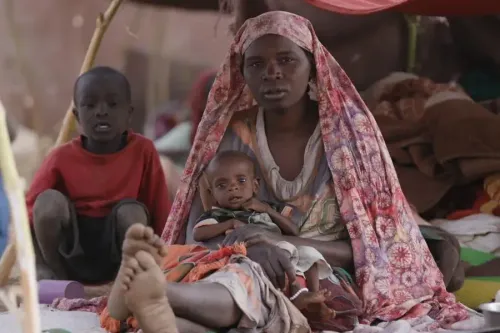
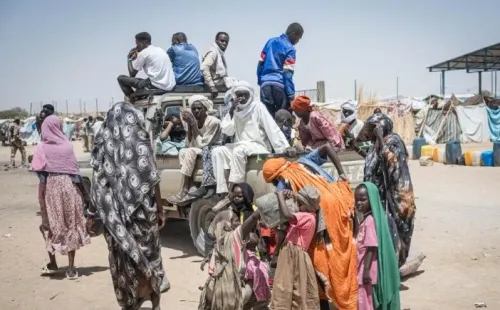
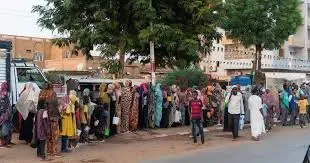
The International Organization for Migration (IOM) noted that close to 71,000 individuals have fled from El Fasher and nearby regions since the city's capture on October 26, primarily seeking refuge in overcrowded camps in Tawila, located 40 kilometers away. Many newcomers have recounted experiences of killings, abductions, and sexual violence during their journey.
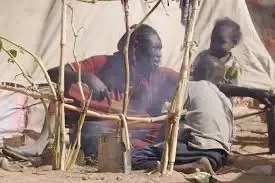
Conditions in Tawila are alarming, with families forced to live outdoors or in makeshift shelters, scarce food supplies, and limited access to clean water, according to OCHA. "The UN and its partners are delivering emergency aid, including meals, healthcare, water, sanitation, nutrition, and psychosocial support, but these initiatives only address a small fraction of the existing needs due to funding limitations."
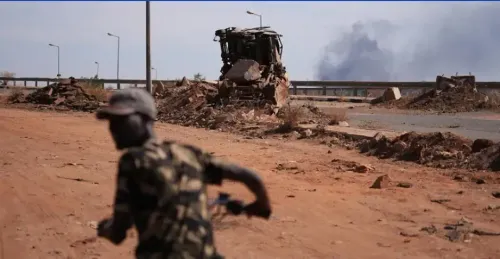
Violence has surged in the Kordofan region, resulting in widespread displacement and civilian distress. OCHA highlighted that severe violations, including alleged summary executions, have been reported in Bara, located in North Kordofan.
The IOM indicated that between October 26 and 31, around 37,000 people were displaced from Bara, Um Rawaba, and nearby villages. Civilians are grappling with increasing insecurity, food scarcity, and the destruction of essential infrastructure.
As the year draws to a close, the 2025 response plan for Sudan is only 28% funded, with $1.17 billion received out of the $4.16 billion needed, according to OCHA, which is urgently calling for flexible funding to assist the millions affected by the ongoing conflict in Sudan.
Point of View
Our primary responsibility is to highlight the profound humanitarian crisis unfolding in Sudan. The reports of summary executions and sexual violence against civilians are alarming and must be addressed urgently. The international community must step up to support the millions affected by this conflict, ensuring that aid reaches those in need and that accountability for these heinous acts is pursued.
NationPress
25 Oct 2026
Frequently Asked Questions
What is happening in El Fasher, Sudan?
El Fasher is witnessing ongoing summary executions and sexual violence against civilians following its takeover by the Rapid Support Forces. Many are trapped without communication and urgent aid is needed.
How many people have fled El Fasher?
Approximately 71,000 people have fled El Fasher and surrounding areas since October 26, often facing violence during their escape.
What are the living conditions like in Tawila?
Conditions in Tawila are dire, with families living in makeshift shelters, food scarcity, and limited access to clean water.
What is the current funding status for humanitarian aid in Sudan?
The 2025 response plan for Sudan is only 28% funded, with urgent calls for flexible funding to support the millions affected by the ongoing conflict.
What violations have been reported in Kordofan?
Severe violations, including summary executions, have been reported in North Kordofan's locality of Bara, contributing to the humanitarian crisis.