UP Governor orders anti-conversion cells in medical colleges after KGMU case
Synopsis
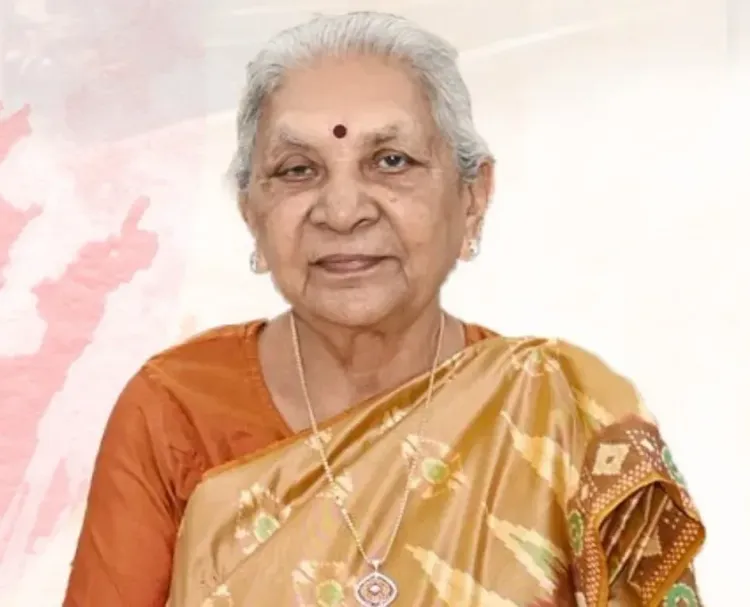
UP Governor Anandiben Patel has ordered Religious Conversion Prevention Cells in every medical and dental college in the state — a direct response to the KGMU coercion case and a missing-woman complaint from SGPGIMS. In an unexpected turn, prominent Muslim clerics have publicly endorsed the move, insisting Islam condemns forced conversion and calling for fair, impartial implementation.
Key Takeaways
UP Governor Anandiben Patel has directed all medical and dental colleges to form Religious Conversion Prevention Cells (Dharmantaran Roktham Cells).
The order follows allegations against former KGMU resident doctor Rameezuddin Nayak of sexual exploitation and coerced conversion, triggering an STF probe.
A 21-year-old woman , daughter of a SGPGIMS employee, has been missing since 21 May ; her family has accused Irshad Ali of abduction.
Atal Bihari Vajpayee Medical University has instructed all affiliated colleges to constitute the cells immediately and submit compliance reports.
All India Shia Personal Law Board General Secretary Maulana Yasoob Abbas and cleric Sayed Saif Abbas have both endorsed the initiative, calling for fair and impartial functioning.
Uttar Pradesh Governor Anandiben Patel has directed all medical and dental colleges across the state to immediately establish Religious Conversion Prevention Cells (Dharmantaran Roktham Cells), according to an official statement. The order follows two high-profile cases at premier Lucknow medical institutions that triggered statewide concern and community protests.
Background: The Cases That Triggered the Order
The directive comes in the wake of allegations against Rameezuddin Nayak, a former junior resident doctor at King George's Medical University (KGMU) in Lucknow, who is accused of sexually exploiting female colleagues and coercing them into religious conversion. The case prompted a Special Task Force (STF) investigation and statewide directives to monitor medical campuses.
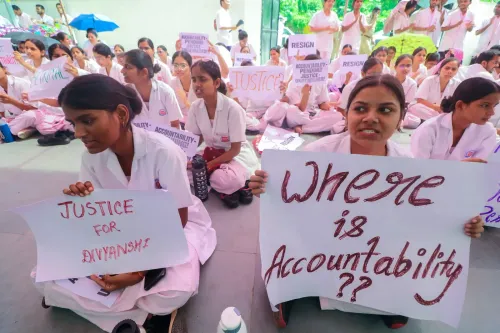
Separately, a 21-year-old woman — daughter of an employee at the Sanjay Gandhi Postgraduate Institute of Medical Sciences (SGPGIMS) — has been missing since 21 May. Her family filed a police complaint accusing a man named Irshad Ali of abduction, alleging stalking, blackmail, and a possible attempt to take her out of the country. The case has since sparked major community protests in Lucknow.
What the Cells Will Do
Following the Governor's orders, the Atal Bihari Vajpayee Medical University issued instructions to all affiliated institutions to constitute the cells without delay. According to the directives, the cells will be responsible for generating awareness among students, resident doctors, faculty, and staff regarding relevant legal provisions and institutional responsibilities.
The cells will also maintain vigilance over activities considered suspicious and ensure that concerns are reported and examined appropriately. Institutions have additionally been asked to conduct awareness campaigns and educational programmes covering applicable rules, legal safeguards, individual rights, and responsibilities.
All affiliated colleges have been directed to submit compliance reports to university authorities and put in place mechanisms for swift action upon receipt of any complaint.
Muslim Leaders Back the Initiative
Notably, several Muslim religious leaders have expressed support for the move, drawing a clear distinction between voluntary and forced conversion.
All India Shia Personal Law Board General Secretary Maulana Yasoob Abbas said, 'If a Governor takes steps in her state and looks at these issues, then in my opinion, there is nothing wrong with it. They are forming a Religious Conversion Prevention Cell because cases of religious conversion are coming forward. And the fact is that if someone's religion or faith is changed by force or coercion, then no religion or faith supports this.'
He added, 'Islam only supports willingness, not forcefulness. Hence, forming these cells is a good thing because cases of forced religious conversions are coming to light every day. Action should indeed be taken in this direction.'
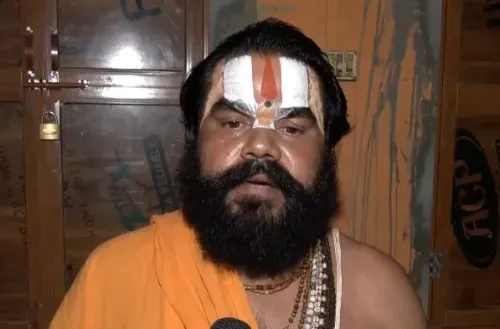
Shia cleric Sayed Saif Abbas also backed the initiative, saying, 'Islam itself condemns forced religious conversion and does not permit such practices... if such a law is introduced to prevent any kind of misconduct in educational institutions, committees can certainly be formed for that purpose, and there is no objection to it. However, any such committee should function fairly and impartially.'
What Happens Next
Medical and dental colleges across Uttar Pradesh are expected to constitute the cells at the earliest, with compliance reports due to university authorities. The initiative marks a significant expansion of institutional oversight on campuses in the state, and its implementation — particularly how 'suspicious activities' are defined and monitored — is likely to face scrutiny from civil liberties groups in the weeks ahead.
Point of View
One still under investigation. The broader question is one of proportionality and definition: who decides what constitutes 'suspicious activity', and what guardrails exist against misuse? The endorsement from Shia clerics is politically significant but should not obscure the civil-liberties concerns that independent legal observers are likely to raise. India has a chequered history with religiously framed institutional oversight, and the line between protecting vulnerable individuals and enabling targeted harassment on campuses is one that the cells' implementation will need to walk carefully.
NationPress
26 Oct 2026
Frequently Asked Questions
Why has the UP Governor ordered Religious Conversion Prevention Cells in medical colleges?
The directive follows two cases at Lucknow medical institutions — allegations of coerced conversion against a former KGMU resident doctor and the disappearance of a SGPGIMS employee's daughter. Governor Anandiben Patel ordered the cells to generate awareness, maintain vigilance, and ensure swift action on complaints.
What is the KGMU religious conversion case?
Former junior resident doctor Rameezuddin Nayak at King George's Medical University in Lucknow is accused of sexually exploiting female colleagues and coercing them into religious conversion. The case triggered a Special Task Force investigation and statewide campus monitoring directives.
What will the Religious Conversion Prevention Cells actually do?
The cells will conduct awareness campaigns on legal provisions and individual rights, monitor activities considered suspicious, and ensure complaints are reported and examined. Colleges must also submit compliance reports to Atal Bihari Vajpayee Medical University.
Why have Muslim leaders supported the anti-conversion cell order?
Prominent Shia clerics, including All India Shia Personal Law Board General Secretary Maulana Yasoob Abbas and Sayed Saif Abbas, have backed the move on the grounds that Islam categorically opposes forced conversion. Both leaders, however, stressed that the cells must function fairly and impartially.
Who is affected by this directive?
All medical and dental colleges affiliated with Atal Bihari Vajpayee Medical University in Uttar Pradesh are required to establish the cells. Students, resident doctors, faculty, and other staff at these institutions will be subject to the cells' awareness programmes and oversight mechanisms.