KGMU bans non-veg food in hostel messes after UP Governor's inspection
Synopsis
KGMU has banned non-vegetarian cooking in all hostel messes and canteens following a hygiene-focused campus inspection by UP Governor Anandiben Patel. Religious leaders are now calling for a nationwide rollout — but students retain the right to order or cook non-veg food privately, a distinction that may define how far this policy can actually travel.
Key Takeaways
KGMU in Lucknow has banned cooking and serving non-vegetarian food in all hostel messes and canteens with immediate effect from 15 July .
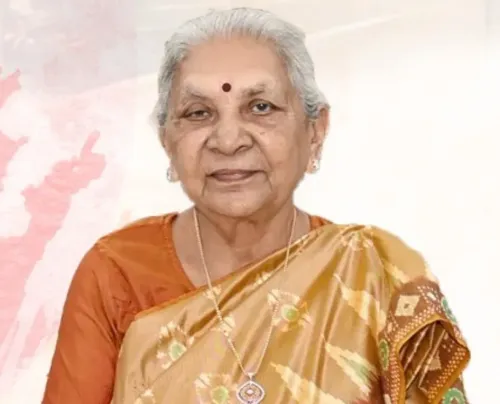
The decision follows a campus inspection by UP Governor Anandiben Patel , who raised hygiene concerns about non-veg food preparation.
Students are still permitted to order non-veg food from outside or cook it privately — the ban applies only to institutional kitchens.
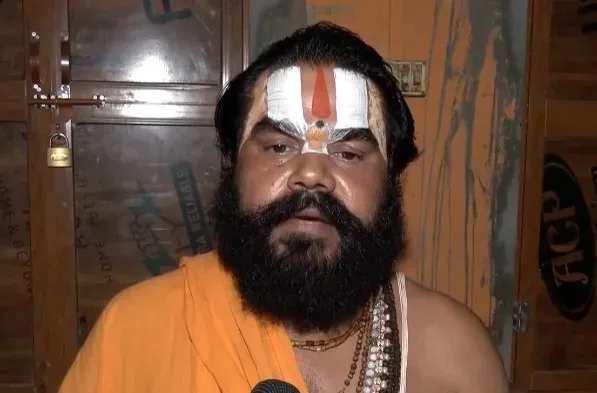
Saint Satendra Das Vedant Ji Maharaj and Mahamandaleshwar Vishnu Das publicly welcomed the move and called for a nationwide ban in hostels and universities.
Kalki Ram of Ramadal Trust cited odour reduction and environmental hygiene as additional benefits of the decision.
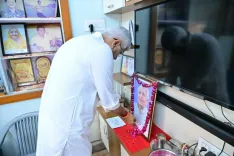
King George's Medical University (KGMU) in Lucknow has prohibited the cooking and serving of non-vegetarian food in all hostel messes and canteens with immediate effect, following a campus inspection by Uttar Pradesh Governor Anandiben Patel, who also serves as Chancellor of state universities. The decision, announced on 15 July, has drawn praise from several religious leaders who have called for similar bans across educational institutions nationwide.
What Triggered the Ban
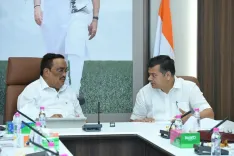
According to the university administration, Governor Anandiben Patel raised concerns about hygiene standards at facilities where non-vegetarian food was being prepared during her campus visit. The administration acted on those concerns, issuing the prohibition with immediate effect across all hostel messes and canteens on campus.
Notably, the ban does not restrict students' personal dietary choices. The KGMU administration has clarified that students remain free to order non-vegetarian food from outside vendors or prepare it themselves — the restriction applies only to institutional kitchens and canteen services.
Saints Welcome the Decision
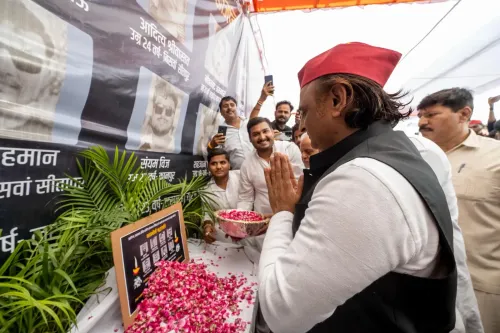
Several prominent religious figures have publicly endorsed the move. Saint Satendra Das Vedant Ji Maharaj expressed gratitude to the Governor and called for the policy to be extended beyond Lucknow. 'I would like to express my heartfelt gratitude to the Hon'ble Governor. I hope that this decision is implemented not only in Lucknow but across the entire country. Wherever hostels are being run, such a ban should be enforced,' he said.
He added: 'The practice of serving non-vegetarian food to students and encouraging such dietary habits should come to an end. This should not be limited to Lucknow alone; all hostels, educational institutions, and universities across India should implement such a ban.'
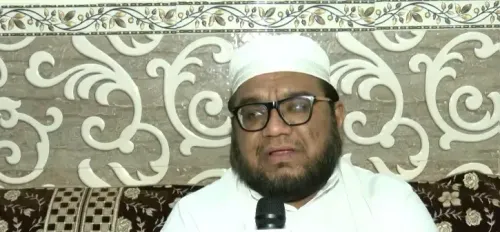
Mahamandaleshwar Vishnu Das also praised the university's move, arguing that non-vegetarian food does not necessarily contribute to better health or physical strength. 'It is a very good decision that non-vegetarian food will not be cooked at KGMU in Lucknow. Eating non-vegetarian food does not improve health or provide strength. It has simply become a habit for many people,' he said, calling the step positive and commendable.
Cleanliness and Environment Cited
Kalki Ram, President of Ramadal Trust, welcomed the decision on grounds of odour control and environmental hygiene. 'This is a very good decision. First of all, it will provide relief from the smell, as cooking non-vegetarian food creates an unpleasant odour. Secondly, it will help protect the environment from certain unforeseen health-related issues,' he said, describing it as 'a welcome and historic decision.'
Broader Context
The move comes amid a wider pattern of dietary policy debates at Indian public institutions, where questions of student autonomy, institutional hygiene, and cultural preferences frequently intersect. KGMU is one of Uttar Pradesh's premier medical universities, and decisions made under the Governor's chancellorship often set precedents for other state institutions. Whether this ban will be replicated elsewhere remains to be seen, though religious leaders are already pressing for a national rollout.
Point of View
But the timing — triggered by a Governor's visit rather than a student health audit — raises questions about whether institutional dietary policy is being shaped by administrative optics rather than evidence-based standards. The carve-out allowing students to order or cook non-veg food privately is a telling detail: it acknowledges that the restriction is on the institution, not the individual, which may insulate it from legal challenge but also limits its stated hygiene rationale. Religious leaders calling for a national rollout are pushing well beyond what the university's own stated reasoning supports. As similar debates play out at institutions across India, the line between campus administration and cultural imposition will need clearer definition.
NationPress
13 Oct 2026
Frequently Asked Questions
Why has KGMU banned non-vegetarian food in its hostel messes?
KGMU banned non-vegetarian food in hostel messes and canteens after UP Governor Anandiben Patel raised concerns about hygiene standards during a campus inspection. The university administration acted on those concerns with immediate effect from 15 July.
Can KGMU students still eat non-vegetarian food?
Yes. The ban applies only to institutional kitchens — hostel messes and canteens. Students are free to order non-vegetarian food from outside vendors or prepare it themselves according to their personal preferences.
Who is UP Governor Anandiben Patel and what is her role at KGMU?
Anandiben Patel is the Governor of Uttar Pradesh and, by virtue of that office, serves as Chancellor of state universities including KGMU. Her campus inspection and subsequent hygiene concerns directly prompted the university's decision.
Have religious leaders supported the KGMU food ban?
Yes. Saint Satendra Das Vedant Ji Maharaj, Mahamandaleshwar Vishnu Das, and Kalki Ram of Ramadal Trust all welcomed the ban. They have called for similar restrictions to be extended to hostels and educational institutions across India.
Could this ban be extended to other universities in Uttar Pradesh?
Religious leaders have urged a nationwide rollout, and the Governor's chancellorship over all UP state universities means the precedent could influence other institutions. However, no formal directive extending the ban beyond KGMU has been announced as of 15 July.