CM Yogi Orders Zero Tolerance on Public Sacrifice Ahead of Bakrid
Synopsis
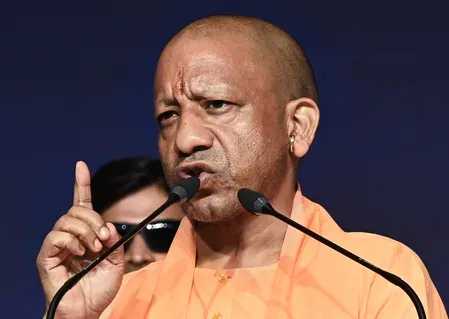
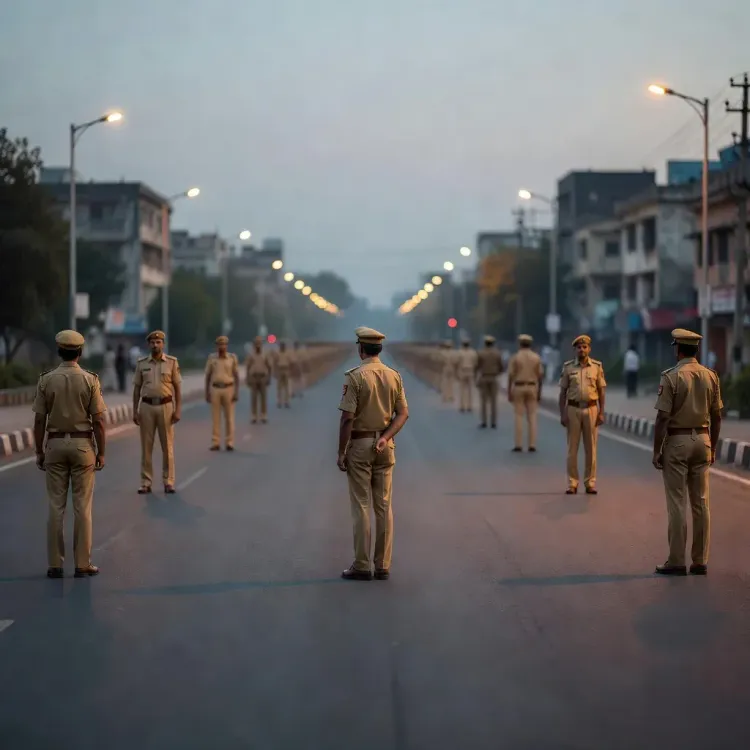
Chief Minister Yogi Adityanath has directed Uttar Pradesh authorities to enforce zero tolerance on public animal sacrifice and prohibited-animal slaughter during Bakrid, ban prayers that block roads, and crack down on open-air meat sales and illegal slaughterhouses ahead of Ganga Dussehra and Eid al-Adha.
Key Takeaways
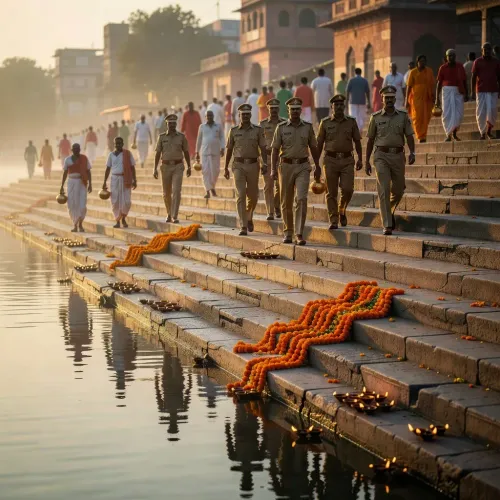
CM Yogi Adityanath issued special vigilance directives ahead of Ganga Dussehra and Bakrid (Eid al-Adha) .
Animal sacrifice in public places is prohibited; a zero-tolerance policy applies to the slaughter of banned animals.
Prayers must be conducted only at traditional, designated sites ; road-blocking prayers are banned under all circumstances.
Strict action ordered against open-air meat sales and illegal slaughterhouses across the state.
The directives continue a pattern of festival-management orders in Uttar Pradesh dating back to 2017 .
Local administration and law enforcement across all 75 districts are responsible for implementation.
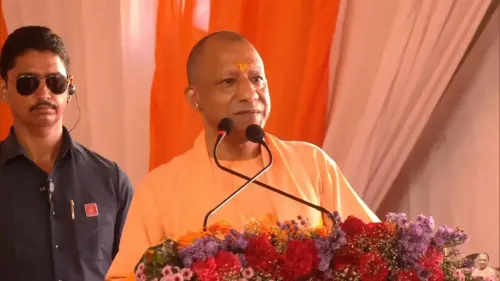
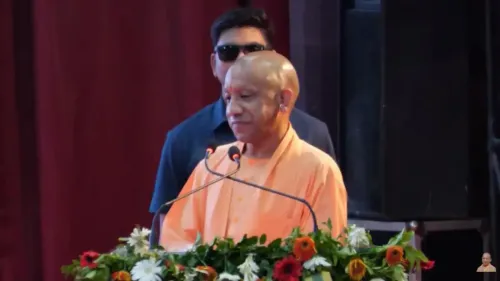
The Chief Minister's Office of Uttar Pradesh announced on Sunday, 25 May 2026 that Chief Minister Yogi Adityanath has issued strict directives for maintaining public order during the upcoming festivals of Ganga Dussehra and Bakrid (Eid al-Adha), including a zero-tolerance policy on the slaughter of prohibited animals and a ban on prayers that block public roads.
Context
The Chief Minister's Office posted the directives on X (formerly Twitter), stating that CM Yogi had called for 'special vigilance' ahead of both festivals. The post, in Hindi, quoted him as saying: 'Saarvajanik sthalon par qurbani ki anumati nahin hogi' ('Sacrifice will not be permitted in public places'), with a zero-tolerance enforcement mandate against the slaughter of prohibited animals. He further directed that 'namaaz kewal paramparagat sthalon par hi ada ki jae' ('prayers should be offered only at traditional/designated sites') and that road blockages for prayers must not be allowed under any circumstances.
The directives also cover a crackdown on open-air meat sales and the operation of illegal slaughterhouses across the state.
Policy Backdrop
These instructions are consistent with a governance posture Uttar Pradesh has maintained since 2017, when the BJP government under CM Yogi first ordered the closure of illegal slaughterhouses and reinforced the state's existing ban on cow slaughter. Festival-season advisories in preceding years have similarly restricted public animal sacrifice and barred religious gatherings from encroaching on roads and public thoroughfares.
The zero-tolerance framing on prohibited-animal slaughter invokes state-level animal-protection statutes that have been consistently enforced since the current administration took office. The ban on road-side prayers has also been reiterated annually, framed as a public-order and traffic-management measure.
Stakeholders and Impact
Muslim communities observing Bakrid will be required to conduct ritual sacrifice exclusively at private, designated premises and to offer prayers only at mosques or traditional prayer grounds. Hindu devotees attending Ganga Dussehra festivities will also be subject to the broader public-order framework, though the specific restrictions on sacrifice and road-side prayers are directed at Bakrid observances.
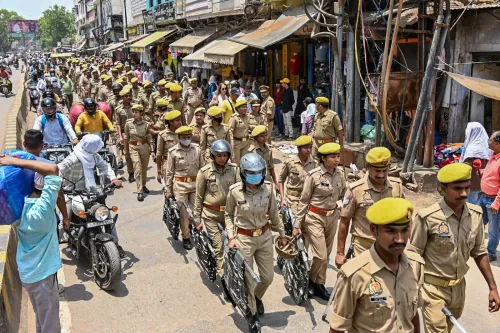
Local administration and law enforcement agencies across Uttar Pradesh's 75 districts are expected to operationalise these directives, with senior officials responsible for compliance at the district level. Traders dealing in meat and operators of slaughterhouses have been put on notice of strict action for violations.
What's Next
District-level enforcement reports in the days leading up to and following the festivals will indicate how uniformly the directives are implemented on the ground. Any legal challenges to the restrictions — particularly around designating prayer sites or the scope of the sacrifice ban — could emerge from community or civil-liberties groups. The broader pattern of annual festival-management orders in Uttar Pradesh suggests that the state government will maintain this posture as a standing administrative norm, with the possibility of further institutional codification if compliance issues arise.
Point of View
Where the state government has used public-order and animal-protection statutes to regulate religious observances in public spaces since 2017. The simultaneous framing around both Ganga Dussehra and Bakrid gives the orders a cross-community optic, but the operational restrictions — on sacrifice, slaughterhouses, and road-side prayers — are primarily directed at Muslim festival practices. For the BJP government, these annual advisories serve a dual purpose: they reinforce the administration's law-and-order credentials while signalling ideological consistency to its core voter base. The durability of this approach across multiple election cycles suggests it has become a structural feature of UP's festival governance rather than a reactive measure.
NationPress
23 Sept 2026
Frequently Asked Questions
Has CM Yogi banned animal sacrifice in Uttar Pradesh during Bakrid?
CM Yogi Adityanath has not imposed a blanket ban on Bakrid sacrifice but has prohibited sacrifice in public places and ordered zero-tolerance enforcement against the slaughter of prohibited animals such as cows under state law.
Can Muslims offer namaaz on roads in Uttar Pradesh during Bakrid 2026?
No. CM Yogi has directed that prayers must be offered only at traditional, designated sites and that road blockages for namaaz will not be permitted under any circumstances.
What action will be taken against illegal slaughterhouses in UP during Bakrid?
The Chief Minister has ordered strict action against illegal slaughterhouses and open-air meat sales, continuing a crackdown that began when the Yogi government came to power in 2017.
Why has CM Yogi issued these orders for both Ganga Dussehra and Bakrid together?
The directives cover both festivals because they fall in close proximity, and the government has framed the advisory as a general public-order measure requiring special vigilance across all observances during this period.
What is Uttar Pradesh's policy on cow slaughter and prohibited animal sacrifice?
Uttar Pradesh has a long-standing ban on cow slaughter under state law. Since 2017, the Yogi government has enforced this through closure of illegal slaughterhouses and annual zero-tolerance directives during festivals like Bakrid.