UP tops college ragging complaints in 2025 with 135 cases, Lok Sabha told
Synopsis
Uttar Pradesh tops India's college ragging chart with 135 complaints in 2025, while the UGC has already served Show Cause Notices to 107 institutions — including 18 medical colleges — for flouting mandatory anti-ragging rules. The numbers expose a compliance gap that persists despite a decade of regulatory tightening.
Key Takeaways
Uttar Pradesh recorded 135 ragging complaints in 2025 — the highest among all states, as of 22 July .
West Bengal followed with 75 cases; Madhya Pradesh ( 63 ), Maharashtra ( 53 ), and Bihar ( 50 ) ranked next.
The UGC issued Show Cause Notices to 107 HEIs , including 18 medical colleges , for non-compliance with the Anti-Ragging Regulations, 2009 .
Key lapses cited: failure to secure anti-ragging undertakings and non-submission of compliance reports.
A 24x7 National Anti-Ragging Helpline and mandatory annual undertakings by students and parents are among the safeguards currently in force.
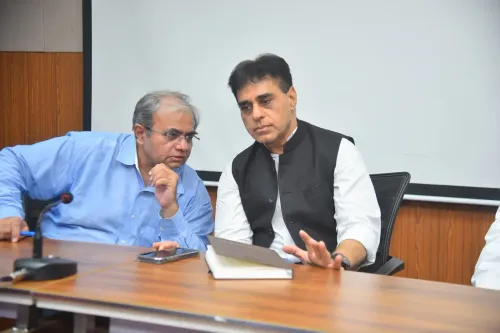
Data was shared by MoS Education Sukanta Majumdar in the Lok Sabha on 27 July 2025 .
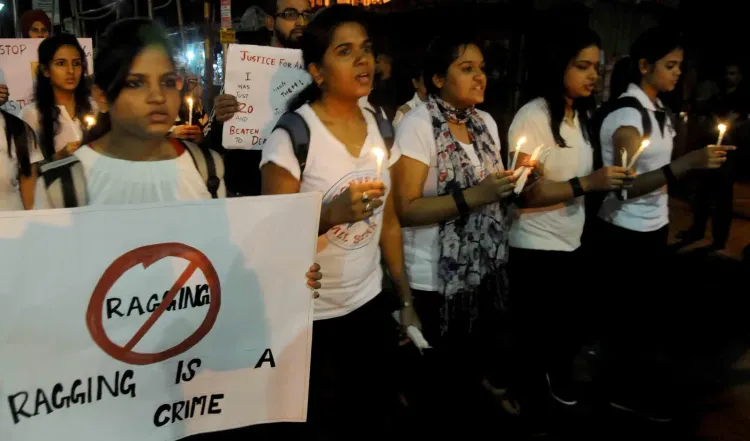
Uttar Pradesh has recorded the highest number of ragging complaints among higher educational institutions (HEIs) in 2025, with 135 cases reported as of 22 July, the Lok Sabha was informed on Monday, 27 July. West Bengal followed with 75 complaints, making the two states together responsible for the bulk of such incidents across the country this year.
State-wise Breakdown of Ragging Complaints
According to data presented by Minister of State for Education Sukanta Majumdar in reply to a question by Sayani Ghosh, Madhya Pradesh recorded 63 complaints, Maharashtra logged 53, and Bihar reported 50 — placing them third, fourth, and fifth respectively on the national list.
Other states with significant caseloads include Rajasthan (44), Karnataka (41), Odisha (36), and Delhi (27), according to the minister's statement.
UGC Action: Show Cause Notices to 107 Institutions
In 2025, the University Grants Commission (UGC) issued Show Cause Notices to 107 HEIs, including 18 medical colleges, for non-compliance with the mandatory provisions of the Anti-Ragging Regulations, 2009. The notices cited lapses such as failure to obtain anti-ragging undertakings from students and their parents or guardians, and non-submission of institutional compliance reports despite repeated advisories.
Minister Majumdar described the regulatory approach as 'corrective and preventive,' aimed at ensuring institutions rectify gaps and adhere strictly to anti-ragging norms to safeguard student welfare and campus safety.
Regulatory Framework and Recent Amendments
The UGC introduced a third amendment in 2016 to its existing anti-ragging regulations, broadening the legal definition of ragging and tightening institutional obligations. Under the current framework, UGC issues advisories to all HEIs twice every year to strengthen awareness, reporting pipelines, and grievance redressal mechanisms.
Notably, the minister pointed to a rise in reported cases as a positive signal, arguing that greater awareness among students reflects the effectiveness of the regulatory framework in encouraging reporting rather than an absolute worsening of the problem.
Anti-Ragging Measures in Place
A range of institutional safeguards are currently mandated across campuses. These include a 24x7 National Anti-Ragging Helpline, mandatory anti-ragging workshops and seminars, compulsory inclusion of severe consequences of ragging in institutional prospectuses, mandatory annual online undertakings by students and parents, and prominent display of anti-ragging posters on campus. Compliance with these measures is monitored by the UGC on an ongoing basis.
With 107 institutions already served notices this year, the focus now shifts to whether penalised colleges rectify their lapses before the next academic intake — and whether states with high complaint volumes translate reporting into accountability.
Point of View
Let alone enforcing anti-ragging culture. Uttar Pradesh's 135 complaints may partly reflect better reporting infrastructure, but the volume is too large to dismiss as a statistical artefact. The UGC's 2016 regulatory broadening was a step forward, but annual advisories and poster campaigns have a ceiling. What is missing is a credible penalty regime that moves beyond Show Cause Notices to actual institutional consequences — suspension of grants, bar on new admissions — that make non-compliance costly enough to change behaviour.
NationPress
26 Oct 2026
Frequently Asked Questions
Which state has the highest number of ragging complaints in 2025?
Uttar Pradesh has recorded the highest number of ragging complaints in 2025, with 135 cases reported as of 22 July, according to data shared in the Lok Sabha. West Bengal is second with 75 complaints.
What action has the UGC taken against institutions for anti-ragging non-compliance?
The UGC issued Show Cause Notices to 107 higher educational institutions in 2025, including 18 medical colleges, for failing to comply with the Anti-Ragging Regulations, 2009. Key lapses included not securing undertakings from students and parents, and not submitting institutional compliance reports.
What are the anti-ragging measures mandated for colleges in India?
Colleges are required to operate a 24x7 National Anti-Ragging Helpline, conduct workshops and seminars, include ragging consequences in their prospectus, obtain mandatory annual online undertakings from students and parents, and display anti-ragging posters prominently on campus.
When did the UGC last amend its anti-ragging regulations?
The UGC introduced its third amendment to the Anti-Ragging Regulations in 2016, which broadened the legal definition of ragging and tightened institutional obligations. The base regulations date to 2009.
Why is an increase in reported ragging cases not necessarily a bad sign?
Minister of State Sukanta Majumdar argued in the Lok Sabha that greater student awareness — reflected in higher complaint numbers — indicates the regulatory framework is working by encouraging reporting and redressal, rather than signalling an absolute rise in incidents.