US Government Implements 100% Tariff on Imported Patented Pharmaceuticals
Synopsis
In a bold move, the United States announces a staggering 100% tariff on imported patented drugs, citing national security concerns. This sweeping policy aims to bolster domestic production and reshape the pharmaceutical landscape amid global trade tensions.
Key Takeaways
The US will impose a 100% tariff on imported patented drugs.
National security concerns drive the new tariff policy.
Companies relocating production to the US can benefit from reduced tariffs.
Generic drugs are exempt from the tariff for now.
The policy aims to strengthen domestic pharmaceutical manufacturing.
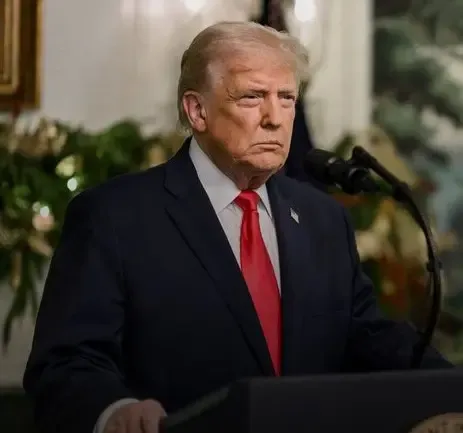
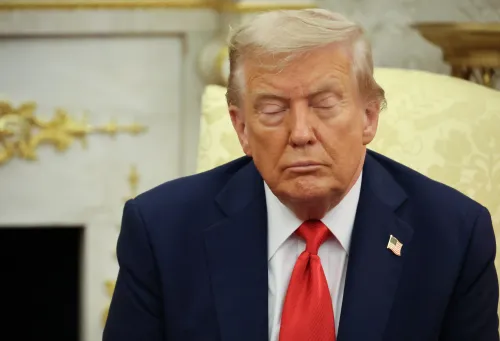
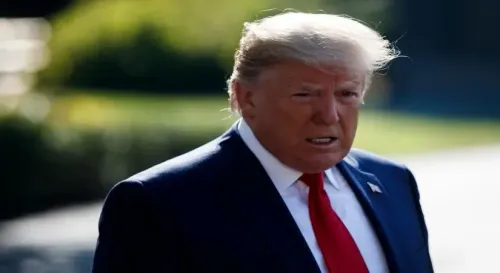
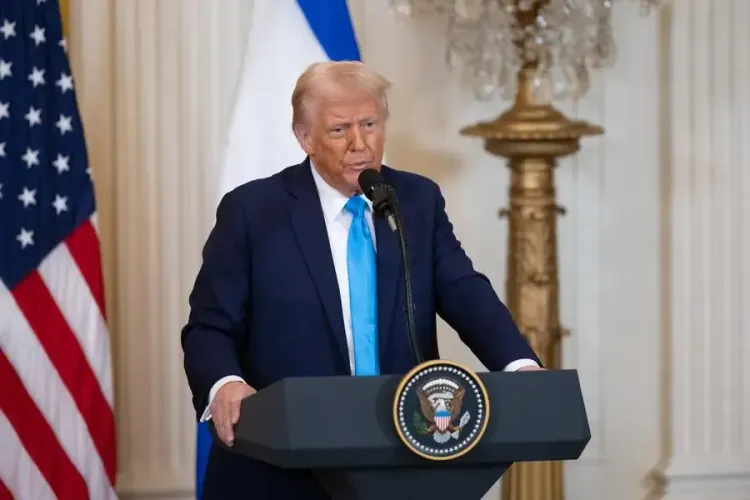
Washington, April 3 (NationPress) The United States is set to enforce tariffs reaching up to 100% on imported patented medications, as President Donald Trump articulates concerns regarding national security and a significant dependence on foreign supply chains.
In a proclamation released on Thursday, Trump emphasized that pharmaceuticals and their essential ingredients “are being imported into the United States in such quantities and under such circumstances that pose a threat to our national security.”
This directive specifically targets patented medications and active pharmaceutical ingredients (APIs), which are vital for civilian health and military preparedness. The administration cautioned that reliance on international production could hinder access to life-saving drugs during times of geopolitical or economic turmoil.
According to the order, the majority of imported patented medications will incur a 100% ad valorem duty. Companies that agree to relocate production to the United States will benefit from a reduced 20% tariff, which will escalate to 100% after a four-year period.
The proclamation also specifies varied tariff rates for key trading partners. Imports from the European Union, Japan, South Korea, and Switzerland will face lower tariffs of about 15%, while certain specialized categories, including orphan drugs, nuclear medicines, and gene therapies, will remain exempt.
Currently, generic drugs and biosimilars are not subject to this tariff structure. The proclamation states, “Generic pharmaceuticals and their associated ingredients will not face tariffs… at this time.”
Officials indicated that this initiative is part of a broader strategy to restore domestic pharmaceutical production and secure supply chains. US Trade Representative Jamieson Greer conveyed to reporters at the White House that the focus extends beyond tariffs towards long-term production restructuring.
“It’s less about the level of the tariff, and more about the actual agreements we are forging with nations and companies to ensure that the supply chains are secure and based here in America,” Greer remarked.
He noted that companies are already reacting to this policy shift, stating, “We see concrete being laid, superstructures rising for new pharmaceutical facilities,” highlighting investments in domestic manufacturing.
The implementation of these tariffs will occur in phases starting on July 31, 2026, with some companies facing extended timelines due to pre-existing agreements.
This decision is poised to have significant ramifications for global pharmaceutical trade, particularly for nations that are major suppliers of finished medications and raw materials.
Countries like India and China stand as leading producers of generic medicines and active pharmaceutical ingredients worldwide, providing a substantial portion of the US market. Even though generics are now exempt, potential future tariff expansions could affect global drug pricing and supply chains.
The invocation of Section 232 of the Trade Expansion Act enables the US President to restrict imports viewed as a threat to national security. This provision has previously been utilized to levy tariffs on steel and aluminum, and its application to pharmaceuticals signifies a notable escalation in trade policy targeting crucial sectors.
Point of View
It's evident that the US government's decision to impose steep tariffs on imported patented pharmaceuticals is a strategic maneuver aimed at enhancing national security and fostering domestic manufacturing. However, the potential fallout on global trade and drug prices cannot be overlooked, warranting careful observation.
NationPress
24 Oct 2026
Frequently Asked Questions
What are the key components of the new tariff policy?
The US will impose up to a 100% tariff on imported patented pharmaceuticals, with reduced rates for companies relocating production domestically. Certain trading partners will face differentiated rates.
Which drugs are currently exempt from these tariffs?
Generic drugs and biosimilars are currently exempt from the tariff structure, as stated in the proclamation.
When will the tariffs take effect?
The implementation of the tariffs will begin in phases starting on July 31, 2026.
What impact could this policy have on global pharmaceutical trade?
The decision could disrupt global pharmaceutical trade, particularly affecting countries like India and China, which are major suppliers of generic medicines and APIs.
What is Section 232 of the Trade Expansion Act?
Section 232 allows the US President to restrict imports that are considered a threat to national security, and has previously been applied to tariffs on steel and aluminum.