US Intensifies Military Action Against Iran While Seeking Nuclear Deal
Synopsis
The US ramps up military operations against Iran as it pursues a diplomatic agreement to curb Tehran's nuclear ambitions. As tensions escalate, the dual strategy of military pressure and negotiations may reshape the geopolitical landscape.
Key Takeaways
US military strikes against Iran are intensifying.
A dual strategy of military pressure and diplomacy is being pursued.
Iran's military capabilities have been significantly degraded.
Negotiations with Iran are ongoing despite escalating tensions.
The operation timeline is projected at 4 to 6 weeks .
Washington, March 31 (NationPress) The United States is ramping up military strikes against Iran while simultaneously seeking a resolution to halt Tehran’s nuclear pursuits, according to a statement from the White House on Monday. This strategy combines military pressure with diplomatic efforts.
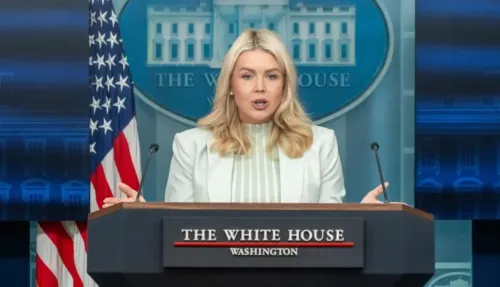
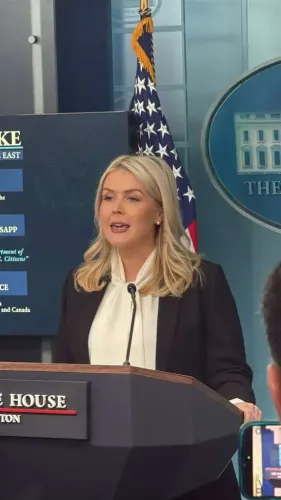
Press Secretary Karoline Leavitt indicated that the operation is “progressing successfully and as intended,” claiming that over “11,000 enemy targets” have already been struck.
She reported that the campaign has significantly weakened Iran’s military capabilities, with ballistic missile and drone attacks reduced by approximately 90%. US forces have also destroyed “more than 150” naval vessels, rendering Iran’s navy combat ineffective.
“Our military is systematically dismantling Iran’s defense industrial base,” she noted, adding that “nearly 70%” of its facilities for producing missiles, drones, and naval equipment have been damaged or eliminated.
Leavitt confirmed that US and Israeli forces have established air dominance over Iran, completing over “11,000 successful combat flights.”
Simultaneously, she acknowledged that discussions with Iran are ongoing. “Negotiations are progressing and appear to be positive,” she remarked, indicating that “public statements differ significantly from private communications.”
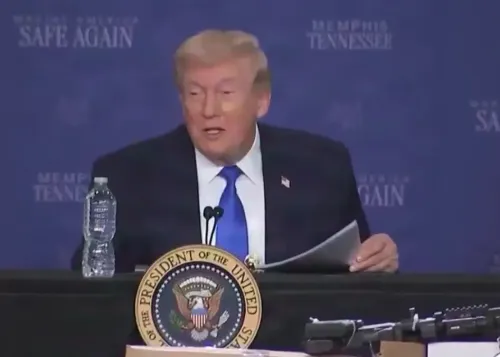
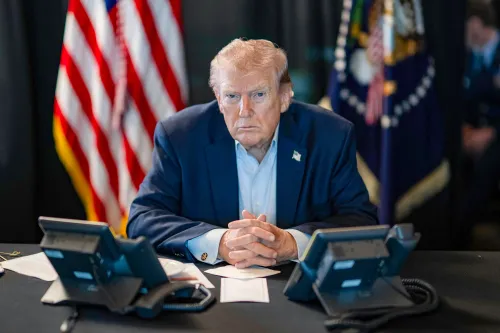
President Donald Trump has mandated a “ten-day pause” on planned strikes targeting Iranian power plants and energy infrastructure to facilitate negotiations, according to Leavitt.
She characterized this moment as “a unique opportunity” for Iran to “permanently renounce their nuclear ambitions.”
However, she cautioned that if Tehran declines a deal, “the most powerful military in history remains ready to ensure this regime faces severe consequences.”
Leavitt stated that the Pentagon’s timeline for the operation is still “4 to 6 weeks,” with the operation currently on “day 30.”
“The mission will persist until all objectives are met,” she emphasized, outlining goals such as dismantling Iran’s navy, neutralizing its missile and drone capabilities, and preventing it from acquiring a nuclear weapon.
She reiterated the significance of diplomacy, stating, “The President has consistently indicated that diplomacy remains his foremost option,” while asserting that military actions will continue concurrently with negotiations.
Leavitt added that the administration is evaluating private assurances from Iranian representatives, warning that any commitments will be subject to verification.
The White House has also connected the military operation to broader strategic objectives, ensuring that Iran “can no longer control the global flow of energy through the Strait of Hormuz.”
This escalation represents one of the most substantial US military actions against Iran in decades, amid persistent tensions regarding Tehran’s nuclear objectives and its role in the region.
For India, developments in the Gulf are being closely monitored, given its reliance on energy imports and the strategic significance of the Strait of Hormuz for global oil supply chains.
Point of View
I observe the US's strategy of combining military pressure with diplomatic efforts towards Iran as a complex but necessary approach. The current operations highlight the delicate balance between ensuring national security and fostering international dialogue.
NationPress
28 Sept 2026
Frequently Asked Questions
What is the current status of US strikes on Iran?
The United States is intensifying its military actions against Iran, having struck over 11,000 targets as part of a broader strategy to weaken Iran's military capabilities.
How has Iran's military been affected?
Iran's ballistic missile and drone attacks have decreased by approximately 90%, and its naval forces have been rendered combat ineffective.
Are diplomatic talks with Iran ongoing?
Yes, diplomatic discussions are continuing, with the US seeking a deal to curb Iran's nuclear ambitions.
What is the Pentagon's timeline for the military operation?
The Pentagon has stated that the operation will continue for 4 to 6 weeks, with the current operation on day 30.
What are the implications for global energy?
The US aims to ensure that Iran cannot control the global flow of energy through the Strait of Hormuz, which is vital for oil supply chains.