Is the US Ready to Allow India to Access Venezuelan Oil?
Synopsis
In a significant development, the US government is poised to enable India to purchase Venezuelan oil through a newly established framework. This move may revive supplies to India, a major pre-sanctions buyer, as the US seeks to globalize Venezuela's crude oil market. Discover the implications of this potential shift in energy dynamics.
Key Takeaways
The US is prepared to allow India access to Venezuelan oil.
A new framework will manage the sales, ensuring proceeds benefit the Venezuelan people.
India could diversify its energy imports significantly.
This move reflects a shift in global energy dynamics.
The US aims to enforce sanctions while reshaping Venezuela’s oil sector.
Washington, Jan 9 (NationPress) The White House is set to permit India to acquire Venezuelan oil through a new framework managed by the US, as stated by a senior official, which suggests a possible resumption of supplies to one of Venezuela’s largest customers prior to sanctions. This move comes as Washington aims to promote the country’s crude on a global scale.
When questioned about the US's readiness to allow India to procure Venezuelan oil, particularly in light of India's substantial energy requirements, the official responded affirmatively.
“Yes,” the official confirmed to IANS, but refrained from offering further details, indicating that the specifics of the Venezuelan oil sales are still being finalized.
The official referenced comments made by Energy Secretary Christopher Wright during a Fox Business interview, which indicated that the US is open to selling Venezuelan oil to “nearly all nations.”
Wright mentioned that the United States is allowing Venezuelan oil to flow again, but under a framework where sales are handled by the US government, with revenues redirected into accounts overseen by Washington.
“So that oil, we’re permitting it to flow. Again, it’s marketed by the United States government. The funds are going to flow into accounts,” he elaborated, noting that the proceeds would subsequently be sent back to Venezuela in a manner that “benefits the Venezuelan populace, not corruption, not the regime.”
Wright stressed the significant interest in Venezuelan crude from not only US refiners but also from buyers “in Europe and Asia and globally,” reinforcing the administration’s stance that sales would not be confined to a limited range of countries.
He pointed out that numerous US refineries were historically designed to process Venezuelan crude, highlighting that the demand remains robust.
The Energy Secretary positioned the policy as part of a broader initiative by President Donald Trump to implement sanctions while transforming Venezuela’s oil industry. “You can sell oil alongside the United States, or you can choose not to sell oil,” Wright stated, characterizing US oversight of oil movements and revenues as leverage to terminate what he described as criminal activities and destabilizing actions associated with Venezuela’s former leadership.
Wright also underscored that enforcement is pivotal to this approach. Referring to recent seizures of sanctioned oil tankers, he noted that US actions exemplified that sanctions and policies would be enforced, rather than merely announced.
“Only legitimate and lawful energy transactions, as determined by the US, will be allowed,” he stated in response to inquiries regarding US military actions against vessels transporting Venezuelan oil outside the new framework.
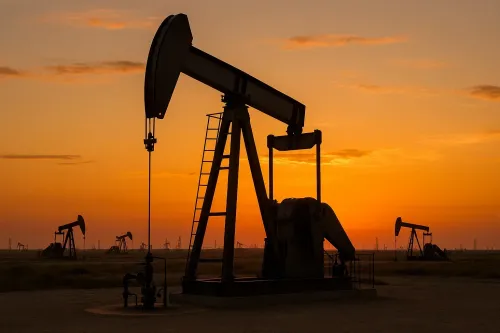
In separate comments made at an energy conference in New York, Wright detailed how the United States intends to market between 30 million and 50 million barrels of Venezuelan oil currently stored, followed by ongoing sales of future production.
“We’re going to get that crude moving again and sell it,” he said, adding that the United States would also provide diluent and facilitate imports of parts and equipment to stabilize and subsequently increase production.
He indicated that US officials were actively engaging with oil companies that previously operated in Venezuela, as well as those interested in returning, discussing the conditions necessary for investment. “What are the conditions that’ll stimulate capital flow?” Wright inquired, labeling it as an ongoing process involving the US government, Venezuelan authorities, and energy firms.
Importantly, prior to US sanctions restricting trade, India was a significant consumer of Venezuelan crude, utilizing it to supply complex refineries tailored for heavy oil. The potential for renewed access could aid in diversifying India’s energy imports amid persistent demand growth.
While Venezuela possesses the world’s largest confirmed oil reserves, India ranks among the globe’s fastest-growing energy consumers and heavily depends on imports to satisfy its oil requirements.
Point of View
My perspective is rooted in the belief that this move by the US to allow India access to Venezuelan oil is a strategic maneuver that aligns with both nations' energy needs. It underscores the dynamic interplay of international relations and energy security. Ensuring that this transaction benefits the Venezuelan populace is crucial for maintaining global stability and integrity in energy commerce.
NationPress
20 Sept 2026
Frequently Asked Questions
What is the significance of the US allowing India to buy Venezuelan oil?
This move signifies a potential reopening of oil supplies to India, one of Venezuela's largest customers before sanctions, and aims to diversify India's energy imports amidst growing demand.
How will the sale of Venezuelan oil be managed?
The sale will be conducted under a new framework controlled by the US government, ensuring that proceeds are directed back to Venezuela in a manner that benefits its citizens.
What impact could this have on global oil markets?
By allowing more countries to access Venezuelan oil, it could increase competition and influence global oil prices, particularly as demand grows in regions like India and Asia.
What were India's previous ties to Venezuelan oil?
Before the imposition of US sanctions, India was a major buyer of Venezuelan crude, utilizing its oil to supply refineries tailored for heavy oil processing.
What are the conditions for investment in Venezuela's oil sector?
The US is in discussions with oil companies about the necessary conditions to encourage investment and ensure a stable flow of capital into Venezuela's oil sector.